The problem — retail fixtures don’t meet hotel standards
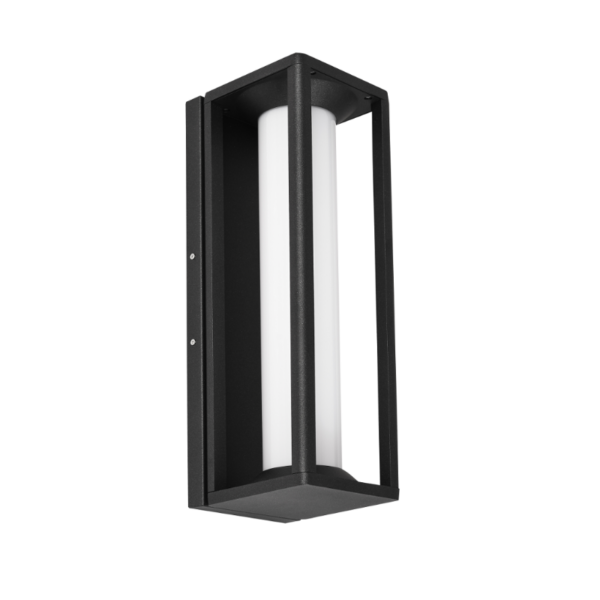
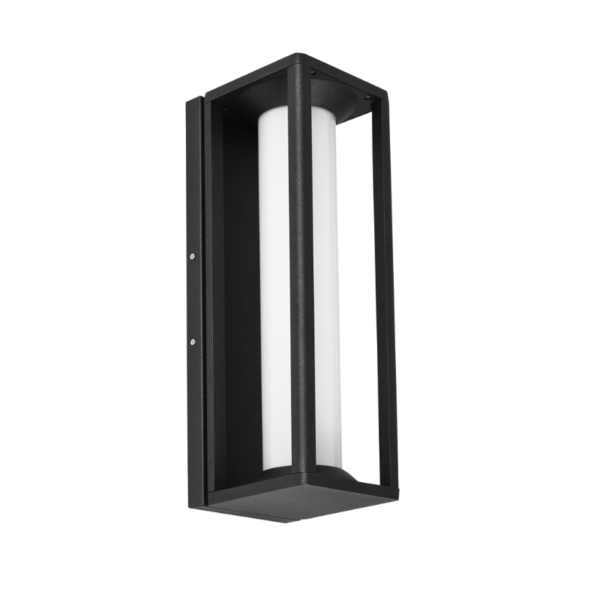
Hotel developers face a recurring problem: standard retail-grade fixtures look fine in a showroom but fail fast under real hospitality demands. They often lack the photometric control, rugged IP ratings, and consistent lumen output needed for large façades and guest-facing landscapes. That’s why many teams spec architectural-grade solutions early in design reviews — even down to the choice of a specific led outdoor wall sconce for pathways and terrace applications — to avoid costly retrofits after opening.
What hospitality projects really need
Developers want predictability: consistent color temperature across elevations, reliable beam angle for façade washing, and fixtures that hold up to salt, humidity, and heavy use. They’re balancing aesthetics with operations — not just how something looks on renderings but how it performs under maintenance cycles, on emergency budgets, and through occupancy changes. Terms like CCT, lumen depreciation, and IP65/IP67 ratings aren’t just jargon here; they’re decision drivers that impact guest perception and long-term OPEX.
Real-world anchor: lessons from iconic hotel districts
Look at lighting strategies along the Las Vegas Strip or Marina Bay’s waterfront — those developers prioritize long-term photometric consistency and programmable control systems to create a signature look night after night. After large-scale projects there, teams learned to demand detailed photometric reports and DMX/DALI readiness before issuing purchase orders. Those are practical lessons: appearance matters, but verified performance prevents brand inconsistency at scale.
Why architectural-grade fixtures win technically
Architectural-grade landscape lights are engineered with tighter tolerances, better thermal management, and serviceable optics. That means:- Higher CRI options for faithful material rendering.- Advanced thermal paths to protect LEDs, reducing lumen depreciation.- Better sealing and corrosion-resistant finishes for coastal or poolside installs.The result is fewer light failures, more uniform wallwashing, and predictable photometrics across hundreds of fixtures — which is exactly what a 300-room property needs during daily operations.
Common mistakes teams make — and quick fixes
Teams often value immediate cost savings over lifecycle thinking. They’ll spec cheaper retail fixtures because the initial price looks attractive — then face higher maintenance, mismatched color casts, and inconsistent beam spreads. Fixes are straightforward: require photometric files (IES/LM-63), specify a minimum CRI (typically ≥90 for upscale interiors and façade accents), and mandate an IP rating that matches the environment. Also, don’t forget control compatibility testing with your building management system — it’s a small step up front that saves a lot later. —
Alternatives and when to pick them
There are valid reasons to consider lower-cost options in non-critical zones: back-of-house paths, short-term pop-ups, or temporary festival lighting. But for guest-facing façades, entry drives, and signature courtyards, architectural-grade outdoor led wall sconce lighting and dedicated landscape luminaires are usually the safer bet. If budget’s tight, mix-and-match: use premium fixtures where visual continuity matters and more economical options where technical demands are low.
Three golden rules for selecting hospitality lighting
1) Require verified photometrics and matching CCT across all fixture families — this ensures visual continuity on arrival experience metrics like first-impression dwell time. 2) Prioritize durability metrics: specify minimum IP ratings, confirm corrosion-resistant finishes, and ask for lumen-maintenance curves (L70) for the expected life. 3) Design for serviceability: choose fixtures with replaceable drivers, accessible trims, and documented maintenance procedures to reduce downtime and labor cost.
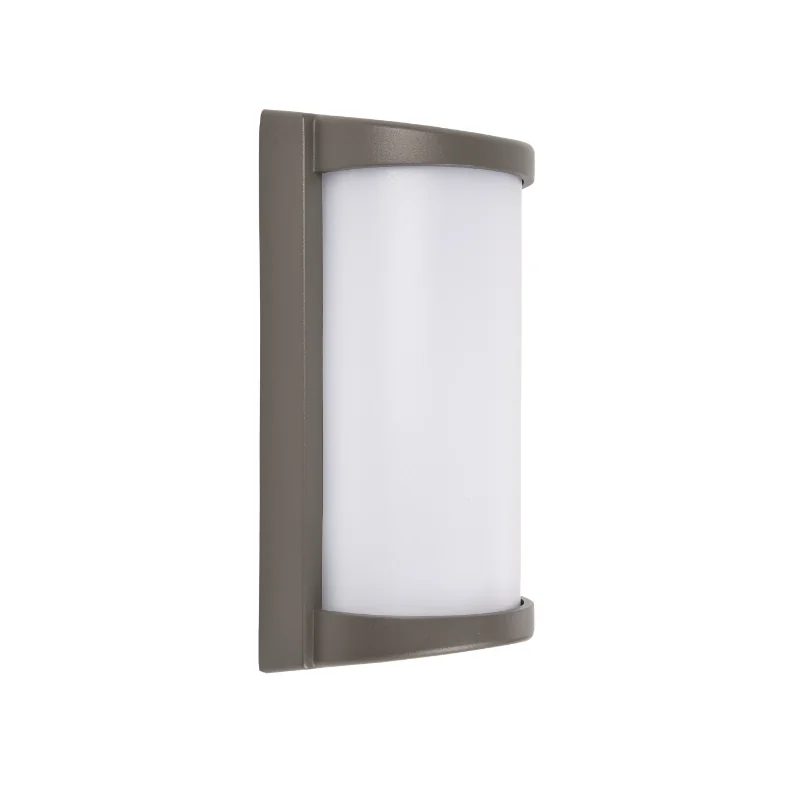
When you apply those rules consistently, installation surprises drop and guest satisfaction improves — which is why experienced teams turn to brands that combine architectural performance with reliable supply chains. Keyida often fits that profile by offering durable optics and clear photometric data as part of project packages. —