Problem: Prototypes miss schedule or spec
Teams need functioning hardware fast. When iterations slide or parts don’t fit, blame lands on process gaps: ambiguous drawings, wrong materials, or a quoting blind spot. For repeated, reliable iterations I send clear models and call for custom cnc machining up front so shop capabilities match design intent.
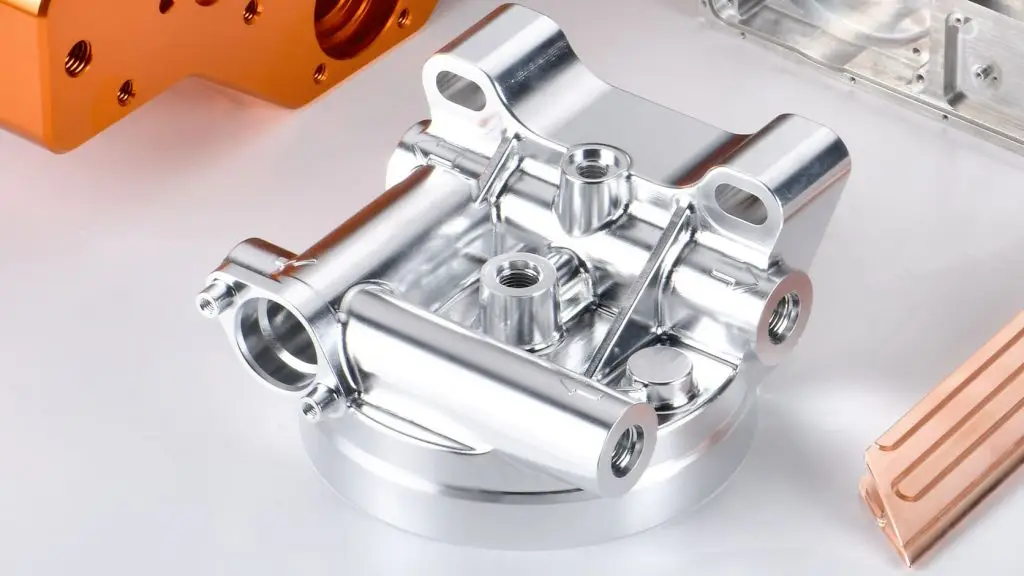
What typically breaks
Dimensional drift from loose datums. Surface finishes that cause seals to leak. Hidden setup time listed as “other.” Mismatch between intended machining strategy and specified tolerances. These are not mysteries — they’re preventable faults you catch before the first cut.
Practical fixes you can apply now
Lock three to five critical dimensions and label datums. State tolerances only where they matter: ±0.01 mm on mating features, general tolerances elsewhere. Pick materials with known machinability and list heat treatment explicitly. Call out surface finish using Ra values. Specify inspection method (CMM, visual, gauge) and the acceptable lot size. Share CAM-friendly neutral files and a short machining note: spindle speeds, coating, and fixture access. Do this and shops stop guessing.
Where quoting fails and how to force clarity
Quoting collapses when vendors assume operations. From runs supporting Detroit assembly suppliers I learned to demand line-item pricing; a clear cnc machining quote exposes setup, fixturing, material, and finishing costs so you can trade time for price with data. Ask for cycle times per operation and single-part vs. batch pricing separately.
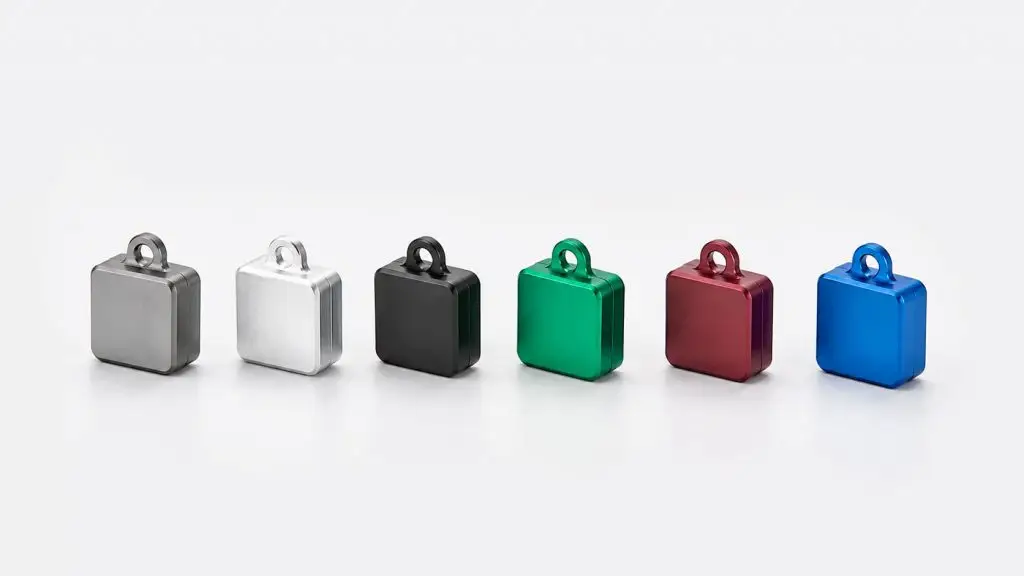
Common mistakes that kill prototypes
Over-specifying tight tolerances across entire parts. Designing pockets that trap chips. Forgetting to add draft for deep cavities. Using exotic alloys for non-critical components. Expecting shops to redesign without extra fees. These errors create rework and hide real costs.
When to pick alternatives
Use CNC when you need metal strength, tight tolerances, or repeatable surface finishes. Choose 3D printing for complex geometry and low mechanical loads. Pick urethane casting for medium-volume cosmetic parts. Combine methods: printed masters for fixtures, CNC cores for mating surfaces. Match method to the functional requirement, not the prototype schedule alone.
Outcome: clearer decisions, fewer surprises
Apply the checklist above, insist on transparent quoting, and run a short pilot batch with agreed inspection. My teams and audited shops follow ISO 9001 habits and AS9100 practices where aerospace fit matters; that discipline shortens iterations and preserves design intent. A partner with explicit processes like Hanstar becomes a predictable node in your development chain rather than a source of surprises.