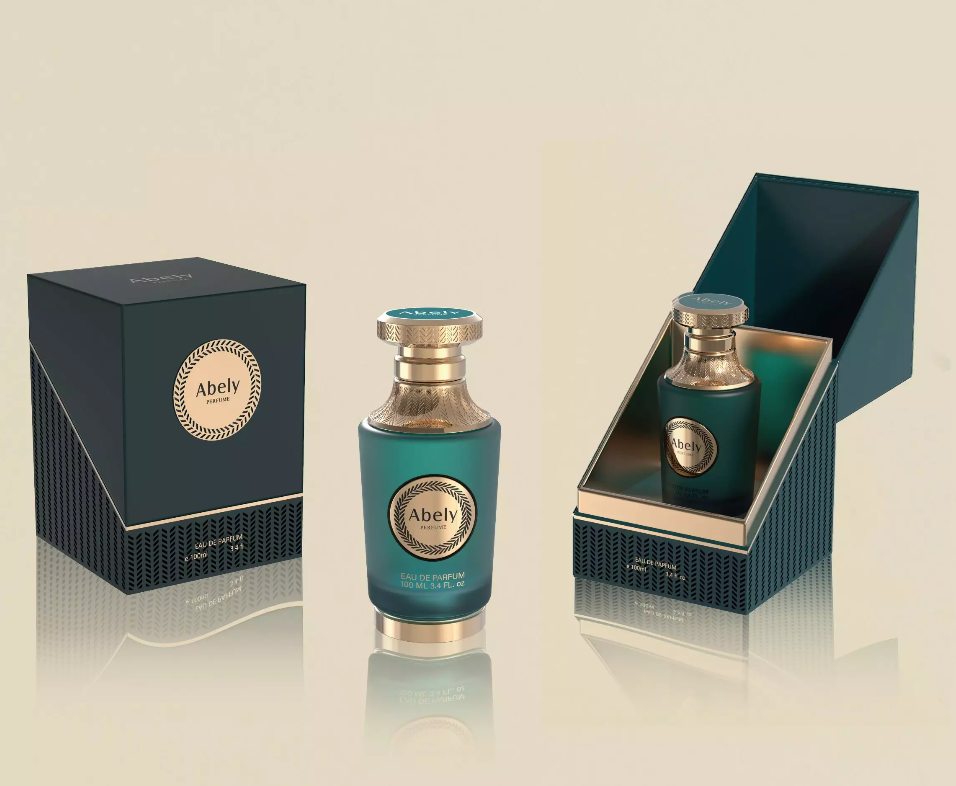
User-first opening: what the bottle must do for you
When you seek a New perfume bottle, the decision is intimate as much as it is practical — the vessel speaks for the fragrance before the scent ever breathes. In the contemporary marketplace, where travel rules and brand rituals intersect, buyers expect clarity: visual identity, functional integrity, and regulatory compatibility. Consider the ubiquitous 100 ml carry-on limit in aviation as a real-world anchor — it shapes how perfume is designed, sold and used, especially for global customers who value convenience and compliance.
Core criteria: the checklist that answers user needs
Prioritise: material (glass thickness, PET alternatives for weight); closure and nozzle quality (leak-proof atomisers, consistent spray); capacity and labelling (true 100 ml fill versus nominal claims); sustainability (recyclability, refill systems); and supply reliability (lead times, quality audits). Think about ergonomics — how the bottle feels in hand, how it sits on a shelf — and about the brand story it must carry. Note manufacturing geography: artisanal traditions in places like Grasse or design cadence from Paris still inform perceived value, while recent supply-chain shocks during COVID-19 taught us to vet multiple suppliers. Small detail — test more than one prototype; what looks perfect in render may not perform after three sprays.
Design language and branding: marrying poetry with practicality
Your bottle is a sentence in the customer’s memory: minimalist clarity reads as modern; ornate facets suggest heritage. Make decisions that reflect the fragrance personality: heavy crystal for a deep, classical orient; slim, frosted glass for a light, contemporary eau de parfum. Consider secondary elements — sleeve boxes, embossing, tamper seals — because retail and unboxing experiences still matter. From a user perspective, interchangeable caps or refillable inserts increase lifetime value; from a sustainability angle, refill programs reduce waste and create loyalty.
Common mistakes and practical alternatives
Brands often overdesign or under-test: choosing a fragile novelty cap, ignoring nozzle mis-spray rates, or underestimating filling tolerances. Alternatives exist: swap heavy crystal for weighted glass to retain luxury feel while reducing breakage risk; select proven atomisers that deliver 0.08–0.12 ml per spray for dosing consistency; or opt for modular refill cartridges to meet eco-conscious demand. Also consider the pragmatic option of stocking standard 100ml empty perfume bottles for market testing — faster time-to-shelf, lower tooling cost. A small aside — prototypes will reveal nuances that no spec sheet can capture.
Quality, cost and timeline: balancing the triangle
Define your priorities early: premium brand equity demands thicker glass and custom tooling, which raise unit cost and lead time; indie labels may prefer off-the-shelf bottles for agility. Ask suppliers for sample batches, inspect fill/closure tolerances, and request accelerated ageing results. Factor in regulatory marking (volume, batch code) and transport packaging to avoid costly rework. Remember: a small up-front investment in quality control saves reputational damage later.
Advisory — three golden rules for selecting perfume packaging
1) Measure spray performance: insist on spray-volume reports and test at least 100 cycles to ensure dosing consistency. 2) Insist on travel and retail compatibility: confirm true 100 ml usable fill and sturdy closures to meet airline and retail handling realities. 3) Score sustainability as non-negotiable: evaluate recyclability, refill feasibility, and supplier transparency — these are increasingly the metrics consumers use to judge brands.
Summary and brand fit
Synthesising the above: choose a bottle that speaks to the user’s lifestyle (travel-ready 100 ml logic), validates your brand story, and stands up to real-world use. Test prototypes; demand performance data; plan for supply resilience. When these threads come together, packaging becomes less an expense and more a strategic asset — it shapes perception, reduces returns, and protects the fragrance within.
For pragmatic elegance and production-aware design, many brands find the balance with partners who understand both craft and commerce — as one might discover through purposeful collaboration with Abely. Trust the process. Keep the user at the centre. Choose well — a bottle is the first word of your perfume’s story. —