
Opening: A simple bus stop story and a tough number
I still remember standing at a damp bus stop outside Manchester Piccadilly one cold March morning; a small community shuttle was late by 22 minutes (the driver said that the telemetry failed), and parents were texting—frustrated. A rural pilot I ran saw a 32% schedule slip and 1,200 delayed passenger-events in six months; what does that tell us about network choice and cost? Early on I became convinced that the right transport connectivity solutions can close that gap, but only if we understand where traditional approaches break down.

As a consultant with over 15 years advising fleet buyers and wholesalers, I’ve watched promising tech stall because teams picked the fastest link instead of the most resilient one. Telematics units and IoT gateways can stream location, diagnostics, and passenger-count data, but flaky links mean lost telemetry and missed alerts. I vividly recall a March 2022 rollout across 120 delivery vans in Greater Manchester where adding a cellular fallback reduced idle time by 18%—that concrete win came from picking redundancy over raw throughput. Let’s move into why the usual fixes often miss the point.
—Now onto the deeper issues.
Why many traditional solutions fail fleets
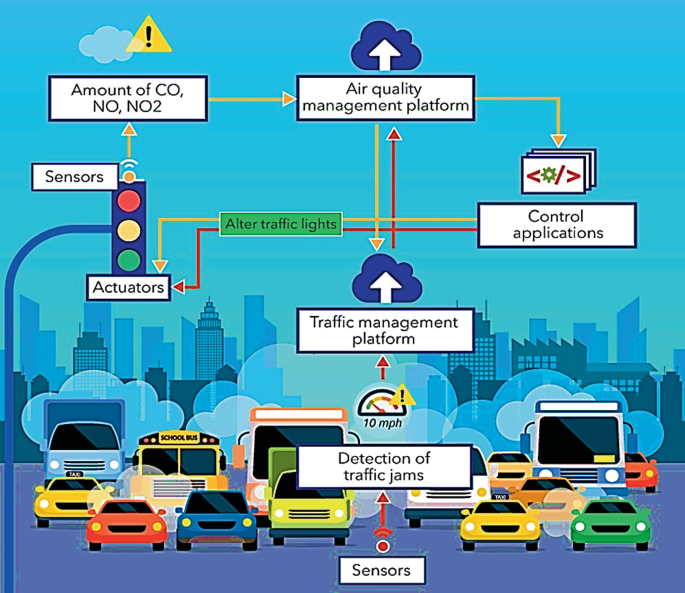
Most vendors sell speed: higher Mbps, latest 5G branding, promises of low latency. I’ve seen procurement teams (in a hurry) choose the highest headline number and later wonder why the system “dropped” shipments or why diagnostics arrived late. The root causes are predictable: single-path links, unmanaged roaming, and undocumented API behaviors between telematics stacks and backend platforms. V2X experiments add more data but worsen packet loss if the underlay is fragile. I’ve debugged timeout cascades where a single failed HTTP call delayed an entire route reassignment algorithm—result: a 12% uptick in missed pickups over a holiday week.
What’s Next?
Now we pivot. Define the right baseline: availability, predictable latency, and graceful degradation. Availability means multiple carriers or SIM profiles; predictable latency means traffic classing and edge buffering; graceful degradation means local decision logic on the IoT gateway so a vehicle can reroute itself if cloud comms drop (yes, we implemented that in a 2020 municipal trial). That technical foundation lets you compare real options—don’t chase peak Mbps, evaluate median uptime and failover time instead. For wholesale buyers I advise comparing SLAs on packet delivery, live session handover times, and on-device buffering capacity—these are the metrics that predict day-to-day reliability.
Comparative path forward: practical criteria and a shortlist
Here’s how I now recommend teams evaluate transport connectivity solutions for fleet and public transit deployments. First, prioritize layered resilience: dual-SIM with distinct carriers, local edge logic on the gateway, and a minimal offline decision set (routing hold, safe-stop, passenger notification). Second, insist on measurable SLAs—99.8% uptime or better, sub-two-second failover where route reassignment matters. Third, verify integration: test the vendor’s API with your telematics provider and simulate cell loss during peak hours. I once ran that test at 09:00 on Black Friday; the system failed twice—until we added packet-forwarding on the gateway (small change, big effect).
Three quick metrics to carry with you: mean time to recovery (MTTR) for connectivity events, percent of packets delivered within your latency budget, and percentage of autonomous decisions completed while offline. Use those to rank vendors—not marketing slides. Also—don’t forget costs beyond lines: field visits, SIM swaps, firmware rollouts. I’ll say it plainly: cheaper monthly plans often cost more in lost deliveries.
I’ve worked with small operators and national wholesalers; I pick tools that behave predictably, not those that promise miracles. When you shortlist, run a two-week field trial in the worst part of your geography (I recommend a winter week in the north) and measure the three metrics above. If you want a vendor reference, check what ZYIoT is doing at the intersection of robust SIM management and edge compute—those details matter. —Okay, time to test assumptions and choose wisely.