Introduction — a shop floor moment, the numbers, and a real question
I remember stepping into a midwestern body shop once and nearly gagging at the weld bay — the smell, the haze, the quiet acceptance of it all. Right then I realized this wasn’t just about grease and grit; it was about long-term health and uptime. In many plants, automotive manufacturing welding fume extraction sits at the heart of that problem (and you can see it in the particle counts: PM2.5 and ultrafines spike around active weld cells). Why are we still letting fumes drift past capture hoods and into breathing zones when the tech exists to fix it? That’s the question I keep bringing back to teams — and the one we’ll dig into next as we look at what’s broken and what really works.
Traditional systems: what’s really failing on the shop floor
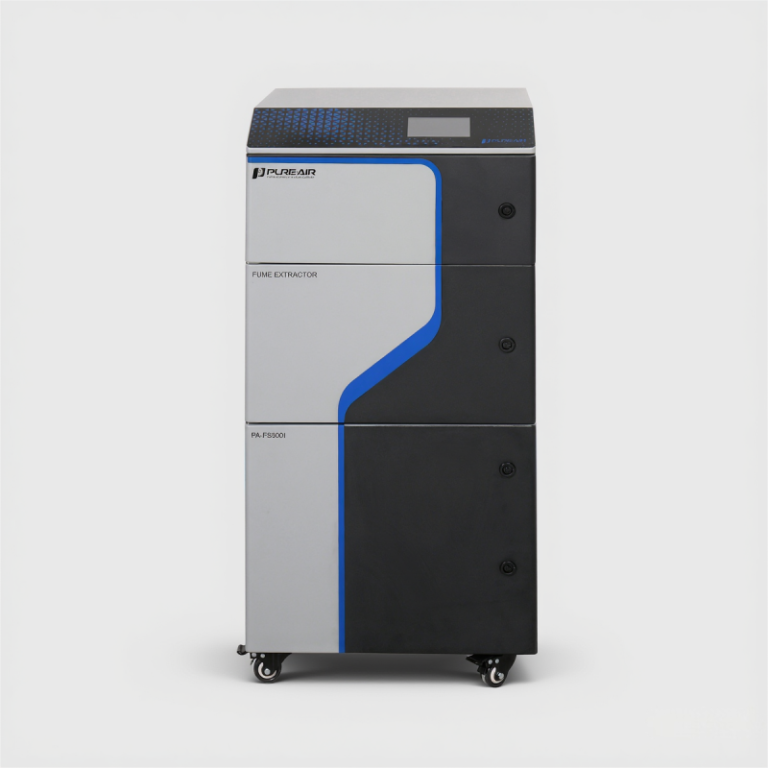
dust collectors for automotive manufacturing were supposed to solve this. Instead, I see the same mistakes over and over: oversized duct runs that kill capture velocity, HEPA filters added as an afterthought, and cyclone separators that cough out fines during peak shifts. Let me be blunt — many systems are designed from a paper spec, not from where people actually weld. The result? Poor capture efficiency, frequent filter blinding, and angry operators who pull hoods away to see the puddle better (yeah, I’ve watched it happen). We talk about filtration efficiency and airflow rate a lot, but the real failure is in the layout and the human side of usage. Look, it’s simpler than you think: if the hood isn’t where the welder puts their hands, the air cleaning tech doesn’t matter.
From a technical angle, variable frequency drives (VFDs) and fan curves get ignored. You’ll see big fans running flat-out while the capture hood suffers from low static pressure—so the system consumes energy without improving capture. Maintenance cycles are another sore point: disposable cartridges and filter media clog fast when pre-separators are undersized. The ductwork also introduces turbulence and re-entrainment; those fine particulates become airborne again. We need to treat welding fume control as integrated systems: hoods, ducts, fans, and filters all tuned together — not thrown together after the plant layout is done. That’s the kind of thing that leads us straight into what we should adopt next.
How bad is the mismatch?
Pretty bad. When capture hoods are misplaced and VFDs are set wrong, you get wasted energy, poor air quality, and shorter filter life. Fix one small piece and you often change the whole outcome — funny how that works, right?
New principles and practical steps: building the next generation of extraction
What’s next is less about bigger fans and more about smarter systems. For me, the game-changers are sensor-driven control loops, better capture hood design, and predictive maintenance using edge computing nodes. Pair a local hood that actually follows the weld with a smart dust collector and you reduce emissions at the source. When I say smart, I mean real-time airflow and particulate sensors feeding a VFD so the fan only revs for demand — not a fixed schedule. Hybrid approaches (electrostatic precipitators feeding HEPA stages) can cut both coarse and ultrafine particulates. Also — and this matters — modular placement of dust collectors for automotive manufacturing near high-output cells keeps duct runs short and capture consistent. We’ve moved from “install and forget” to “monitor and adapt.”
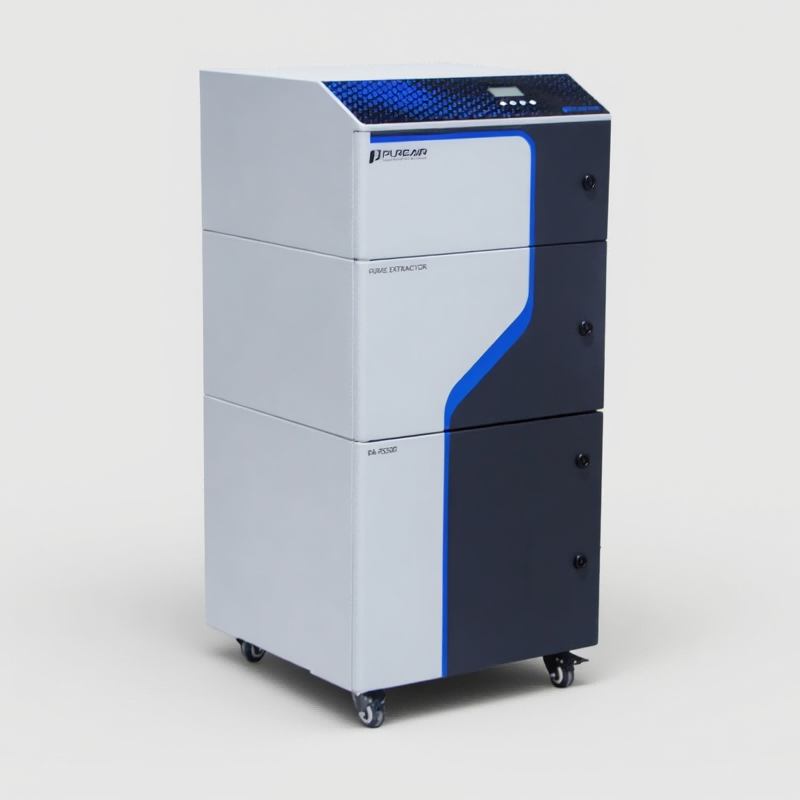
Practical principle: design the hood to the task and validate with quick smoke tests. Then add sensors and simple controls. You’ll see filter life extend and energy use drop. Edge alerts tell technicians when a pre-filter needs changing — not the calendar. That saves money and keeps welders breathing easier. Well, you know how it goes: small controls, big wins.
What to measure before you sign off
Before you buy, I want you to look at three things: actual capture velocity at the hood, real-time particle counts in the breathing zone, and system control sophistication (does it react or just spin?). Those three metrics will tell you whether a system is a real solution or a bandage. If you do the math — and trust me, you should — the right setup pays back in lower energy and fewer lost hours for maintenance.
In short, don’t chase size. Chase fit, control, and data. When teams pair good capture hoods with smarter dust collectors and sensible controls, the difference is night and day. I’ve seen plants cut airborne fines dramatically, improve filter life, and get operators on board — not just compliant. For practical systems and options, check the solutions at PURE-AIR. We’ll keep digging into specifics next time.