A data-led overture
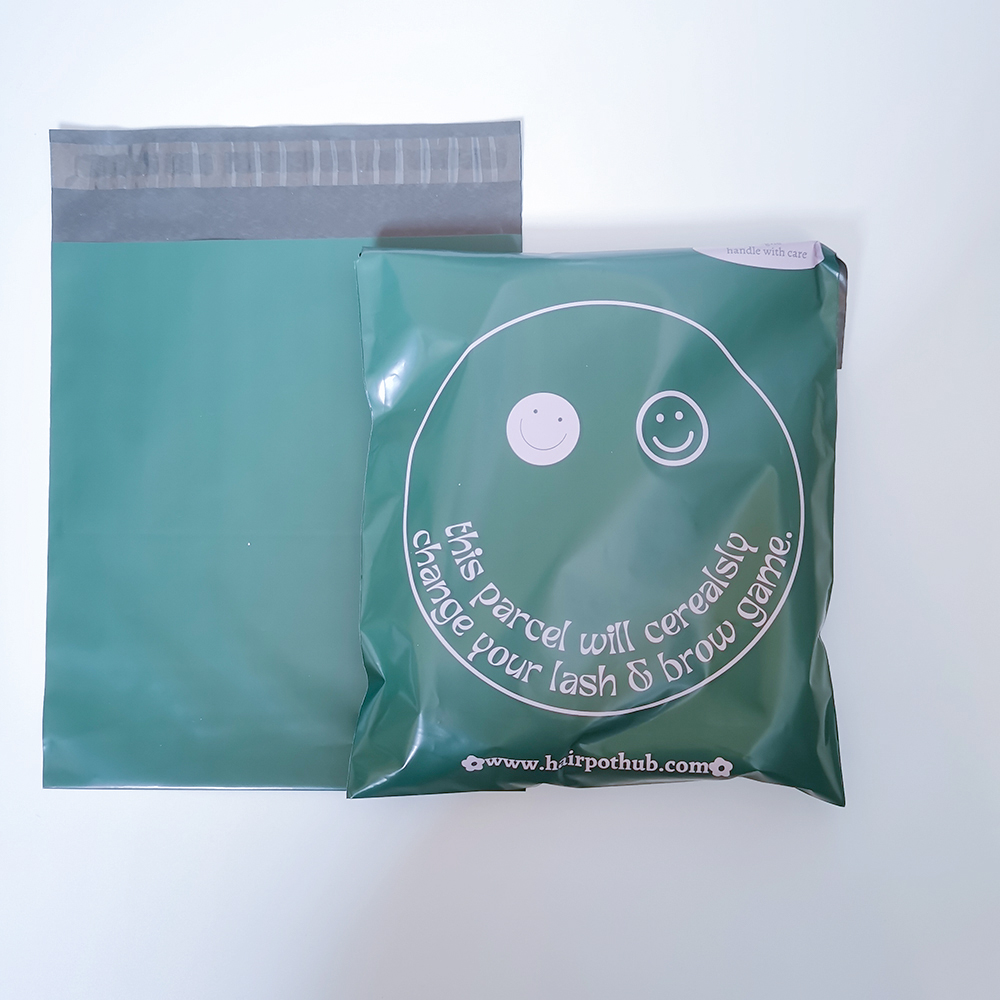
Numbers sing before the eye — and when parcels arrive scuffed or torn, those statistics become a lament. In the era after the 2020 e-commerce surge, brands learned that packaging performance is not romanticism but survival. The difference between a returned order and a delighted customer often comes down to materials science: co-extrusion layer design, polyethylene film formulation, and measured tensile strength. For merchants who want to marry beauty with brute force, custom printed poly mailers are the sheet music that keeps the composition intact.
The problem: why clear mailers tear in transit
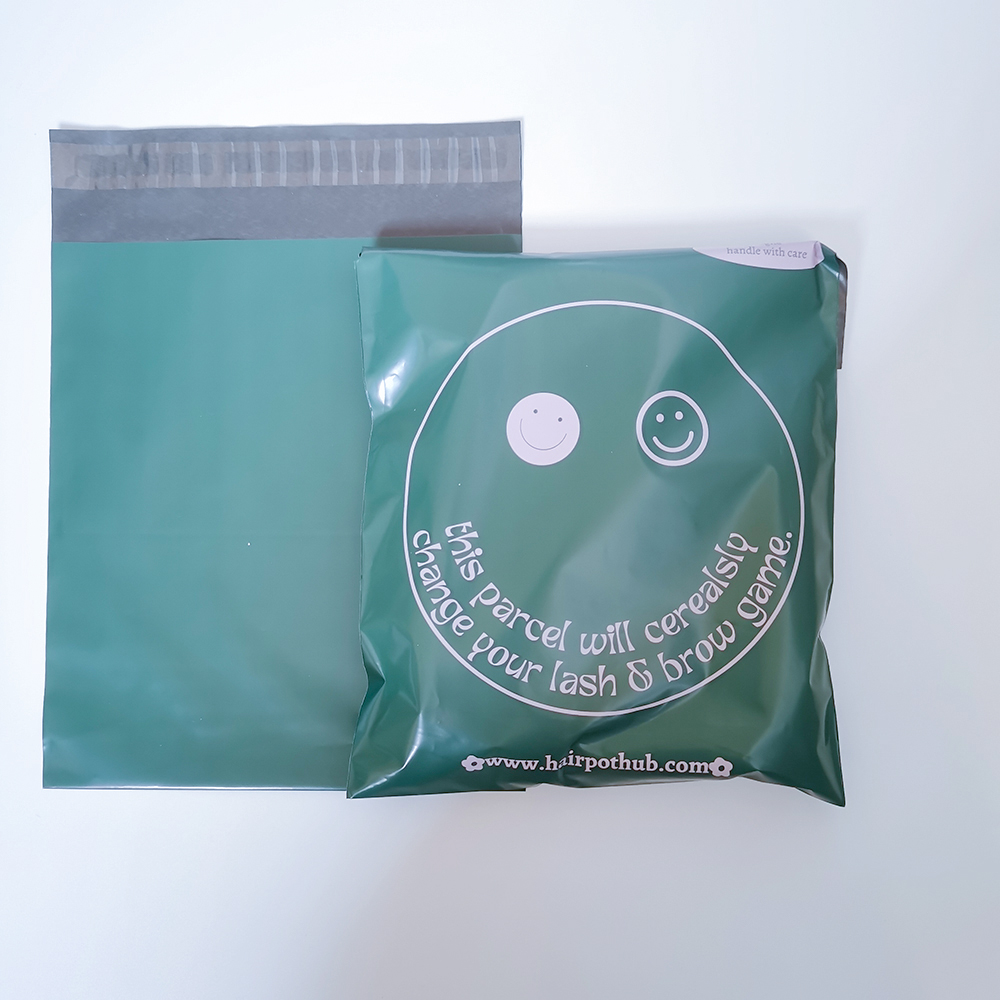
Transit damage is rarely a mystery; it is a compound failure. Single-layer films can suffer from weak burst strength, poor seal integrity, and orientation issues in the machine direction (MD) versus transverse direction (TD). Add rough handling in sorting centers, variations in temperature, and friction from conveyor belts, and small defects amplify into ragged tears. The emotional cost is high: a customer expects the whisper of a pristine package, not the rawness of a ripped envelope.
How co-extrusion answers the tear puzzle
Co-extrusion is elegant because it is layered poetry turned into polymer. Multiple layers — each with a role — work together: a tough outer layer resists abrasion, a barrier layer controls moisture and static, and a seal-friendly inner layer guarantees consistent heat-seal performance. This engineered sandwich improves peel strength and distributes stress across interfaces rather than concentrating it at a weak point. Laboratory metrics like burst strength and seal integrity translate into fewer real-world tears when the mailer meets the jostle of a conveyor belt.
Why factory-direct matters for consistent quality
Buying factory-direct does more than cut cost; it shortens the feedback loop between specification and production. A direct relationship enables tighter control over resin blends, co-extrusion layer thickness, and quality assurance protocols — factors that influence tensile and tear resistance. When a manufacturer can tune MD/TD orientation on press, adjust cooling rates, or inspect seal bars mid-run, the result is repeatable performance across thousands of units. That reliability is what keeps returns low and customer experience high.
Testing, metrics, and a real-world anchor
Data should frame decisions: standard tests (ASTM burst, tensile, peel tests) are practical proxies for transit performance. During the 2020 e-commerce surge, logistics teams reported spikes in parcel damage that forced packaging engineers to re-evaluate film selection and sealing processes — an industry-wide lesson in resilience. In practice, a fulfillment center that switched to a co-extruded clear mailer observed fewer seal failures and reduced product rework, a simple but telling real-world proof that test metrics matter.
Design trade-offs and common missteps — a brief parenthesis
Choosing the thinnest possible film to save on freight is tempting — yet that economy often backfires. Thin films can compromise burst strength and are more susceptible to stress concentration at perforations or gussets. Likewise, over-embellishing a clear mailer with heavy inks or thick lamination can create stiff spots that tear under flex. — The art is in balancing optics and engineering, not pretending one can live without the other.
Comparisons: clear co-extruded versus mono-layer options
Mono-layer films win on simplicity and sometimes cost, but they lack the nuanced protection of co-extruded structures. Co-extruded clear mailers can incorporate anti-static layers, slip modifiers, or barrier skins without adding bespoke laminates — all while maintaining optical clarity. For brands that print directly on the surface, co-extrusion supports consistent print adhesion and reduces scuffing during fulfillment.
Three golden rules for selecting resilient poly mailers (Advisory)
1) Prioritize verified performance metrics: insist on ASTM burst and peel results tied to production-sample lot numbers. 2) Specify seal and closure requirements early: define heat-seal temperature ranges, seal width, and closure type to avoid surprises at fill-lines. 3) Choose a supplier with in-line QC and adjustable co-extrusion capability: this ensures MD/TD control, consistent layer ratios, and rapid corrective action when deviations occur.
Final synthesis and brand fit
When your brand needs clarity that endures — literally and poetically — the marriage of co-extruded engineering and factory-direct discipline creates a protective hymn for every parcel. The science of layer design, combined with real-world testing and the operational nimbleness of direct manufacturing, turns an ordinary clear mailer into a fortress of subtlety. For teams seeking that balance, providers who specialize in printed and engineered film solutions become partners in preservation; they transform your unboxing moment from risk into ritual — and that is precisely the value WH Packing brings to the table.
WH Packing. – steadfast reliability.