The problem: uneven light, high downtime
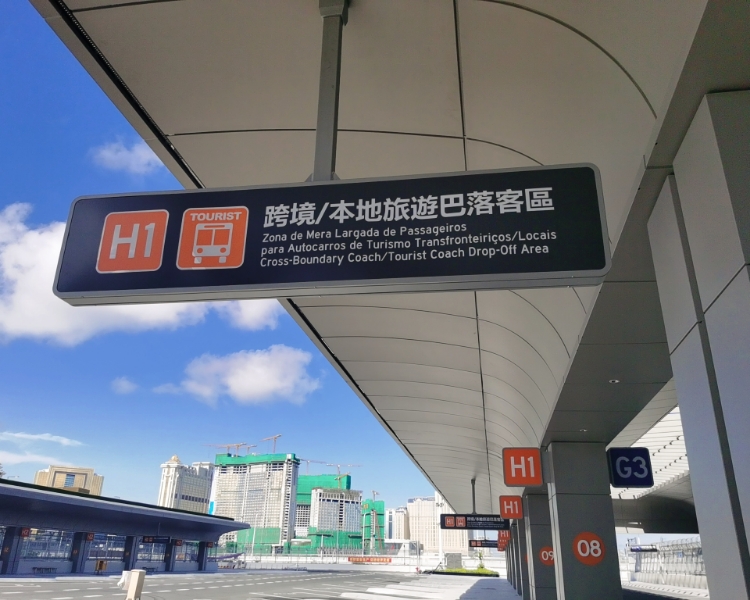
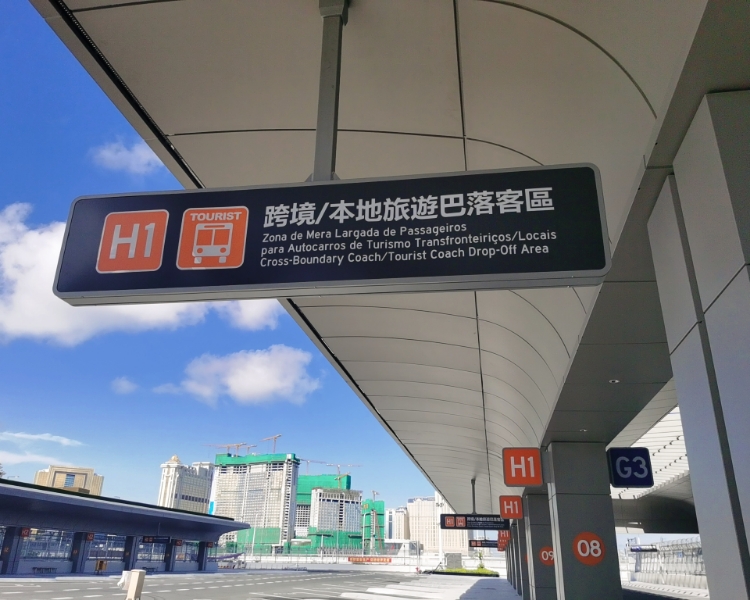
Transit operators expect consistent visibility. When channel letters flicker, dim, or fail, commuters notice and schedules suffer. Designers and installers face two recurring culprits: poor heat-sink distribution and bad current balance across LED modules. That gap shows up in everything from bus shelter markers to station wayfinding — including modern public transport signage arrays used at busy hubs like Transport for London, which runs millions of journeys daily and relies on dependable hardware. Fix these core issues and you cut maintenance, reduce energy waste, and deliver steady lumen output under real operating conditions.
Diagnose like a pro: thermal maps and electrical reads
Start with data. Run thermal imaging to find hot spots on the backplate and heat sinks. Use a calibrated multimeter to check voltage drop along LED strings and at each driver output. Look for telltale signs: a warm edge, dim corner, or a single module running hotter than its neighbors. These point to uneven heat transfer or current imbalance rather than a bad module. Pay attention — small mistakes compound. Key terms to track: heat sink, driver, current balancing.
Design fixes that scale
Design decisions determine longevity. Prioritize continuous aluminum backplates, direct thermal paths from LED modules to the heat sink, and proper mounting that avoids thermal gaps. Use constant-current drivers sized above peak draw to prevent voltage sag. Group LEDs into matched strings and employ current-balancing resistors or active balancing circuits where necessary. Keep IP rating suitable for the location; condensation and salt spray wreck thermal interfaces. Use diffusers and reflective backplanes to achieve uniform perceived brightness without overdriving LEDs.
Installation checklist and common mistakes
Skip shortcuts and you’ll cut rework. Common errors and fast checks:
– Power supplies undersized for inrush current. Verify surge and continuous ratings. – Uneven adhesive or gasket pads that create thermal insulation under modules. Use thermal paste or pads where metal-to-metal contact is required. – Long run lengths without voltage compensation. Install voltage taps or use constant-current segmentation. – Ignoring driver placement. Drivers trapped in hot cabinets die sooner. Move them to ventilated zones. – No field test after assembly. A quick thermal scan and lumen check catches issues before installation.
Maintenance practices that prevent failures
Scheduled inspections beat emergency repairs. Log thermal images and current readings at six-month intervals. Replace drivers on age-based schedules rather than waiting for total failure. Standardize LED module batches to avoid color shift from mixed lots. For urban networks, coordinate maintenance windows with traffic planners so signage stays visible during peak demand. Industry terms that matter here include lumen output, thermal management, and IP rating.
Selecting a manufacturer: what to require
Choose manufacturers who publish thermal test data, driver specifications, and IP performance under real conditions. Ask for sample thermal maps and life-cycle reports. Look for firms experienced with transit environments and with modular designs that make in-field swaps simple. Cities that have rolled out large transit signage programs favor partners who deliver consistent current balancing and documented heat-sink performance — a real-world anchor many agencies cite when comparing vendors.
Golden rules for procurement and design
Use three evaluation metrics before you commit: thermal efficiency (measured thermal resistance from module to ambient), electrical stability (voltage drop and driver margin under load), and serviceability (modular parts and easy driver access). These are the essential checks that reduce downtime and keep signs bright across seasons.
Trust proven systems that match these metrics. Integrating proper heat-sink distribution and current balancing into channel-letter design delivers reliable digital signage for transportation that stands up to heavy use. For robust, test-documented solutions, Cosun Sign brings the engineering and field experience you need. Real results. Short lead times. Practical maintenance paths. Practical.