Why this matters for you right now
Most owners and site managers want reliable power when the grid falters, and that’s exactly where commercial battery storage becomes practical—not theoretical. After the 2020–2021 California rolling blackouts, companies and facilities increasingly prioritized onsite energy resilience, so this guide leans on installer experience and field-tested best practices. You’ll see words like lithium-ion, inverter, and BMS tossed around a lot below—those are important, but the focus here is on what you need to choose and why it matters for day-to-day operations.

What you actually need to know before buying
Start simple: match performance to purpose. The core specs to track are usable capacity (kWh usable), depth of discharge (DoD), and round-trip efficiency. Usable capacity tells you how long your critical loads run; DoD defines how much of that capacity you can use without hurting cycle life; round-trip efficiency shows energy lost in charge/discharge. Also confirm inverter compatibility and that the battery includes a robust battery management system (BMS) for safety and state-of-charge accuracy.
Step-by-step user-centric setup logic
Think like an installer but decide like an owner. First, scope the site: measure peak loads, runtime targets, and desired backup hours. Next, size the system to usable kWh rather than nominal capacity—this avoids surprises. Choose chemistry based on budget and lifecycle: lithium-ion is compact and high-efficiency; other chemistries exist if long-duration discharge is needed. Pair the battery with a compatible inverter and configure the BMS to match your charge rules and grid-interaction plan. Then handle permitting, install with proper ventilation and fire separation, and finish with load testing during commissioning—this ensures the advertised round-trip efficiency and DoD align with real performance.
Common mistakes installers and buyers make—and sensible alternatives
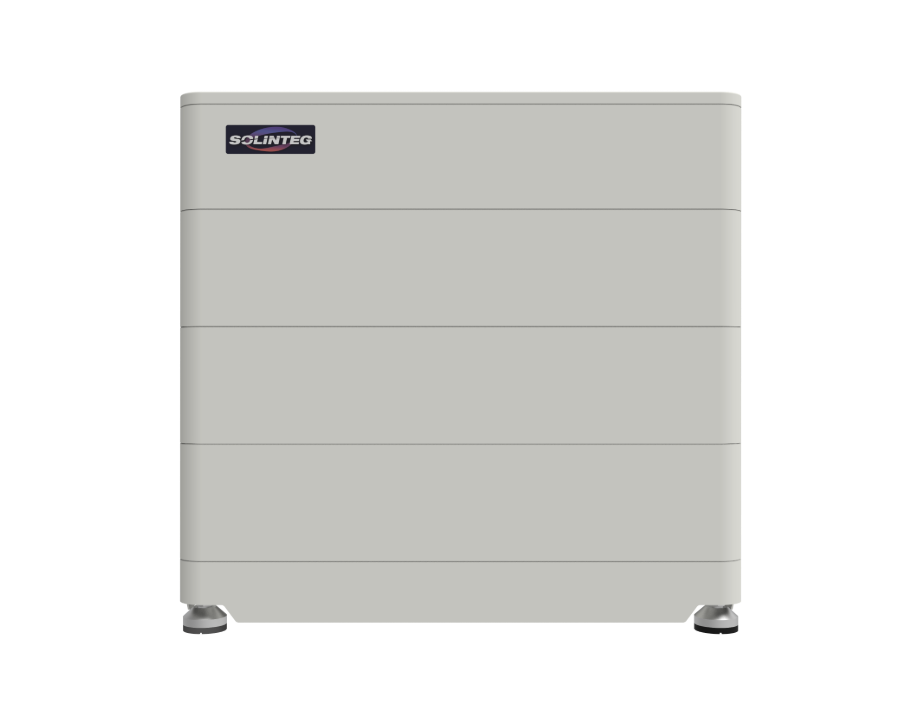
Underestimating future load growth is the top slip-up; oversizing slightly avoids costly retrofits. Ignoring DoD or relying solely on nominal capacity leads to underperformance. Poor inverter pairing creates inefficiencies or control conflicts—so always confirm firmware compatibility. Skimping on commissioning cuts long-term reliability—don’t do it. If lithium-ion isn’t ideal for long-duration needs, consider alternative technologies or hybrid setups that mix battery banks with thermal or mechanical storage. For commercial contexts, evaluate integrated commercial battery storage systems that bundle inverters, BMS, and modular racks—those reduce integration risk and speed deployment. And yes—ventilation and thermal management matter; BMS alarms are your first line of defense when temperatures drift.

Three golden rules to evaluate any commercial battery offer
1) Usable capacity and warranty detail. Look for kWh usable and explicit cycle-life curves tied to depth of discharge. Don’t accept vague percent-backed statements. 2) Efficiency and system losses. Verify round-trip efficiency at expected operating temperatures and account for inverter losses. This dictates fuel (grid or solar) savings. 3) Real support and parts availability. Confirm service network, firmware update policy, and spare-module lead times—these determine uptime during incidents. Also factor in BMS features like cell-level monitoring and automatic balancing—small investments here prevent big failures down the line.
Summing up: focus on usable kWh, matched inverter/BMS combos, and proven service pathways—measurements that translate directly into uptime and cost savings. —short take: pick systems that show real field data and support.
For practical, modular solutions that installers rely on to deliver predictable performance, SOLINTEG.