Why layouts break and what that costs
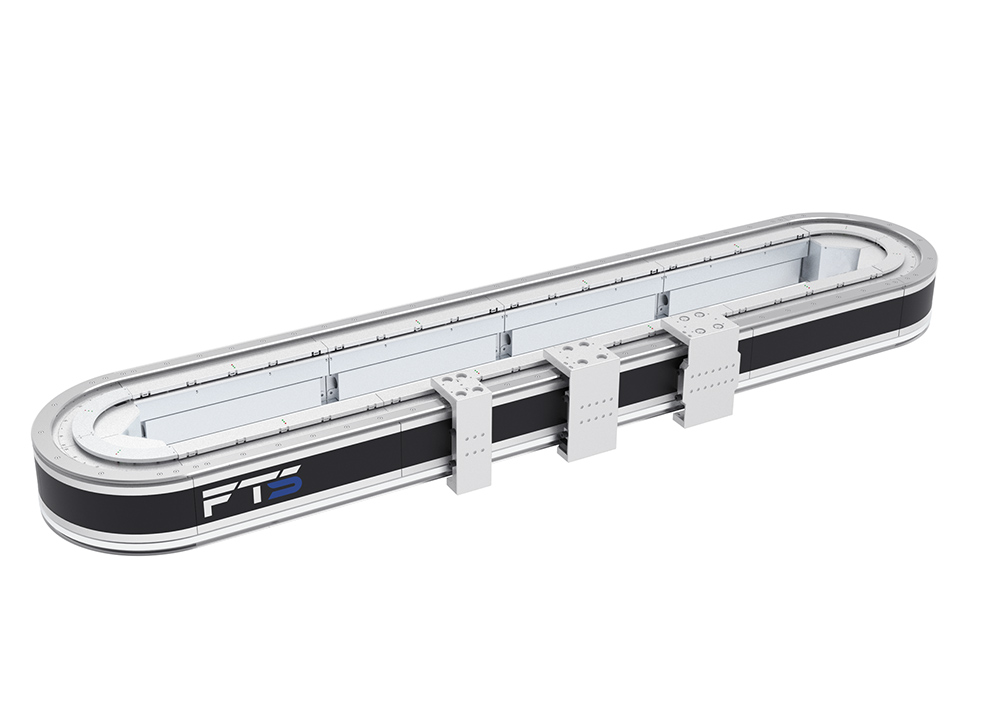
Too many shops get stuck because the flow doesn’t match the process — parts pile up at one station while the next station’s idle. That’s the core problem: mismatched capacity and poor layout choices. You can swap out parts, hire more people, or add buffers, but often the real fix is rethinking how work moves — sometimes that means adding an intelligent conveyor system early in the line so transfer points don’t become chokepoints.
Spot the real bottleneck — a quick checklist
Start by asking concrete questions. Don’t guess.
– Which operation takes the longest, and why? – Are changeovers causing long gaps? – Do stations depend on manual alignment or robotic precision? – How frequent are rejects that force rework? Answer these and you’ll see whether layout or capacity is the real culprit.
Layout patterns that actually work
There are three practical layout types, pick based on product mix and takt time:
– Linear flow: best when parts move in one direction with minimal routing. Keeps fixtures simple. – U-shaped cells: saves floor space and improves operator visibility; good for moderate variability. – Spine-and-branch: a main conveyor spine feeding multiple small branches — useful when you need parallel processing but one control backbone.
Each pattern affects buffer placement, inspection points, and safety zones. Match the layout to how people and machines naturally work together.
How to size capacity without overbuilding
Capacity math doesn’t need to be fancy. Measure cycle times for each operation, factor in changeover frequency, and add realistic downtime assumptions (breaks, jams, small stops). Use the following simple rule: design for the 85th percentile of observed cycle times, not the peak outlier.

Overcapacity wastes capital. Under-capacity kills throughput. Aim for predictable slack — a little room to recover from small faults, not a warehouse-sized buffer.
Choosing transfer tech: linear vs. alternatives
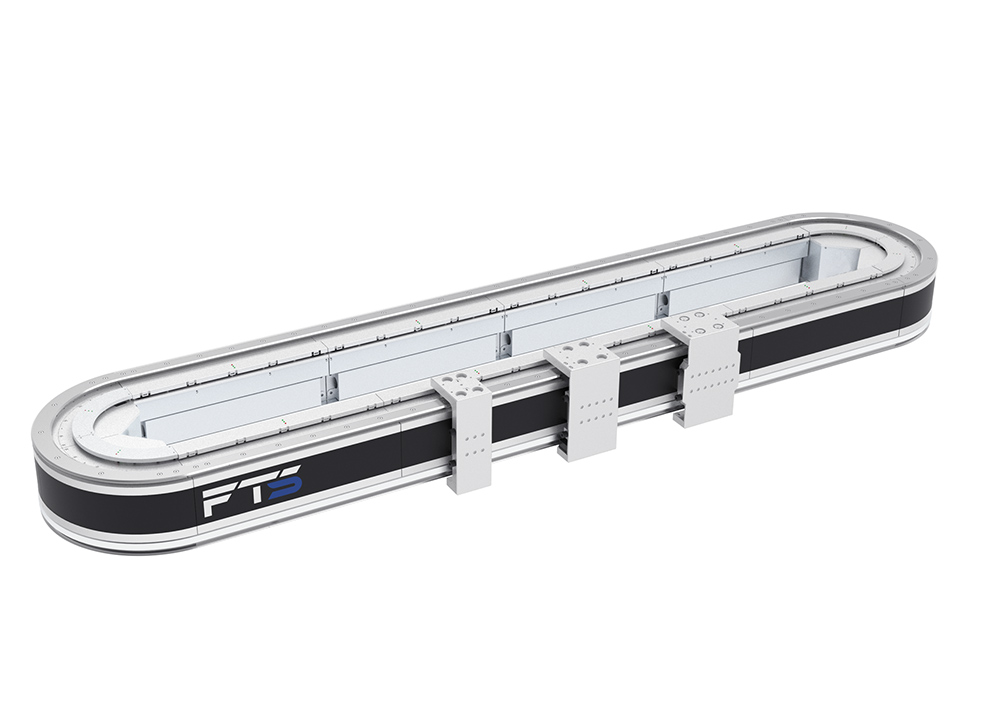
There’s no one-size-fits-all transfer tech. Linear transfer systems work great when you need precise, repeatable indexing with low cycle-time variability. If you need more flexible routing or batch-based work, other options might fit better.
Look at these trade-offs:
– Linear transfer systems: very repeatable position control; good for high-volume, identical-step lines. They minimize part handling and reduce alignment errors. – Pallet-based conveyors: offer modularity and easy changeovers but add mass and inertia. – AGVs/AMRs: flexible routing, but less deterministic timing and more complex traffic control. – Indexing turntables and rotary transfer: compact and fast for circular workflows, but harder to scale linearly.
Seeing linear transfer systems demonstrated at Hannover Messe reinforced how predictable indexing changes build-quality outcomes on high-volume assembly lines.
For a closer look at designs and modules, consider options on linear transfer systems when your priority is fixed-sequence precision.
Common mistakes people make (and how to avoid them)
Fix these early.
– Designing to ideal cycle times: measure real operations under real conditions. – Ignoring maintenance access: leave room to reach sensors and motors. – Overusing software timers: rely on physical sensors and mechanical indexing for predictable moves. – Skipping pilot runs: do a scaled pilot with real parts before committing the whole line.
Control and safety basics that actually matter
Keep control architecture simple. Central PLCs are fine, but distributed IO and local safety controllers reduce wiring and fault isolation time. Use mechanical hard stops where a mis-sensed part could cause damage — software shouldn’t be the only safety layer.
How to validate a layout before you build
Prototype with low-cost mockups: tape out the floor, use dummy parts, and time operations for an entire shift. Run failure scenarios: what happens when one station goes down? That forces you to plan for bypass, temporary buffering, or quick-change fixtures.
Short comparison: quick picks for common needs
If you need a one-line answer:
– High-volume, fixed sequence, low variation → linear transfer systems. – Medium volume with operator-heavy tasks → U-cell with manual buffers. – Multi-product, frequent changeovers → pallet conveyors or modular flow racks.
Wrap-up and practical next step
Fix the process first, then pick hardware. Start with honest data, prototype the flow on the floor, and iterate fast. If your line needs predictable indexing with low variability, work with teams that know how to match mechanical indexing to takt time; I’ve seen that approach cut rework and downtime in retrofit projects, and it’s the same kind of solution vendors show at big automation fairs. For practical system choices that marry layout logic to real components, consider partners like FHS who focus on matching transfer technique to process needs rather than shoehorning a single technology into every problem.