A Quiet Alarm: Why Questions Matter
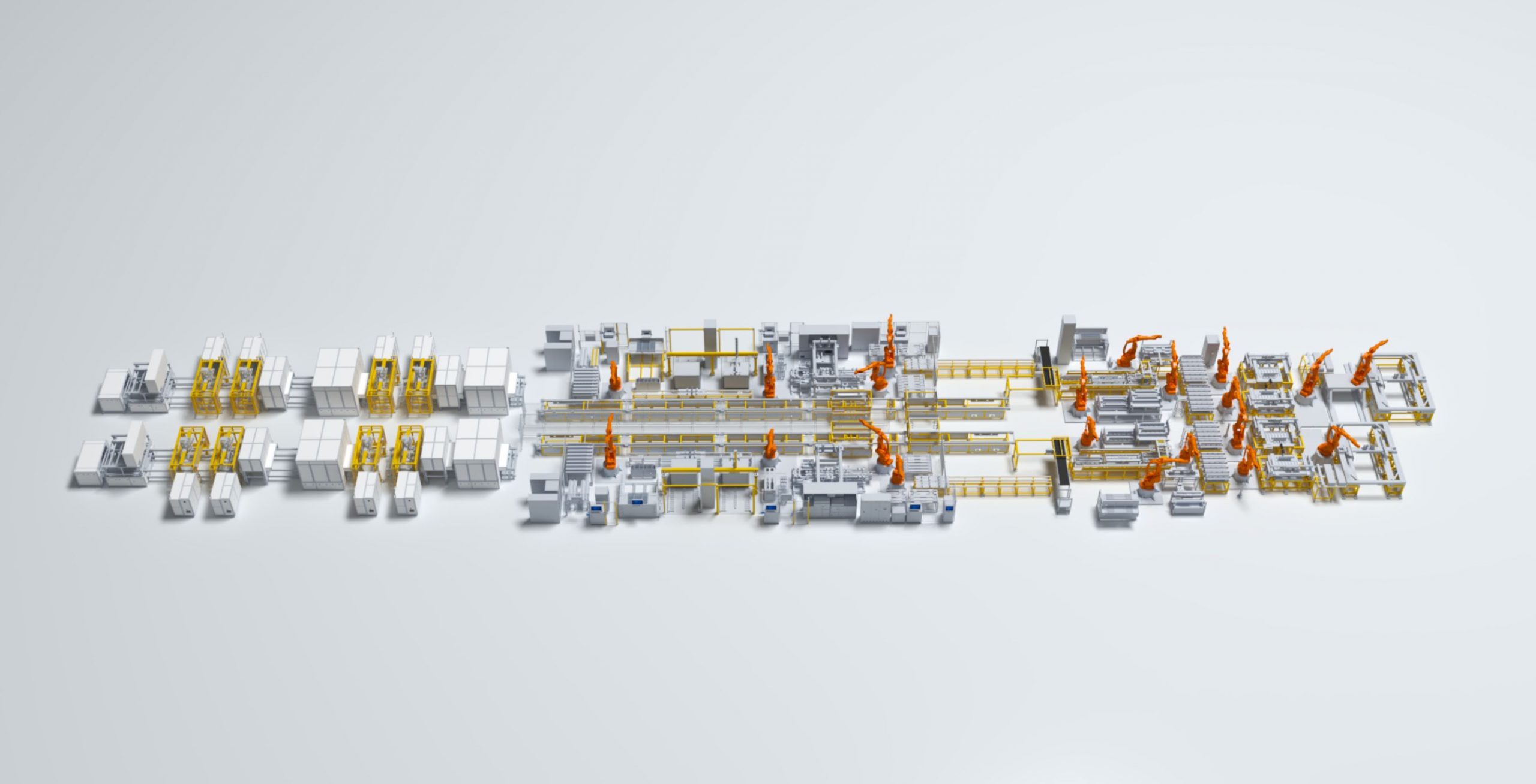
There is a hush before machines sing; it is the moment when doubt must be transformed into precise inquiry. A buyer who mistakes spectacle for substance will pay for illusions. Begin by standing before the facts of a blade battery assembly line, and ask the questions that expose risk, cost, and recoverability. Many answers are revealed in professional forums—recurring technical talks at events such as the Battery Show Europe have shown how the right question separates true automation from clever presentation.
1. What specific production problem do you solve for us?
Demand an articulation of the single, measurable problem the vendor intends to fix: lower scrap, shorter cycle time, tighter cell uniformity. A poetic promise is worth less than a clear metric: state the baseline and the target. If they cannot name the pain with numbers, they have not heard your work.
2. Can you produce independent, recent cycle-time and yield data?
Numbers must be recent and verifiable. Ask for anonymized run sheets or third-party audits. Cycle time without context is noise; yield without definitions is fiction. The provider should present throughput, first-pass yield, and defect modes tied to test methods.

3. Will you demonstrate a functioning blade battery automation line under conditions like ours?
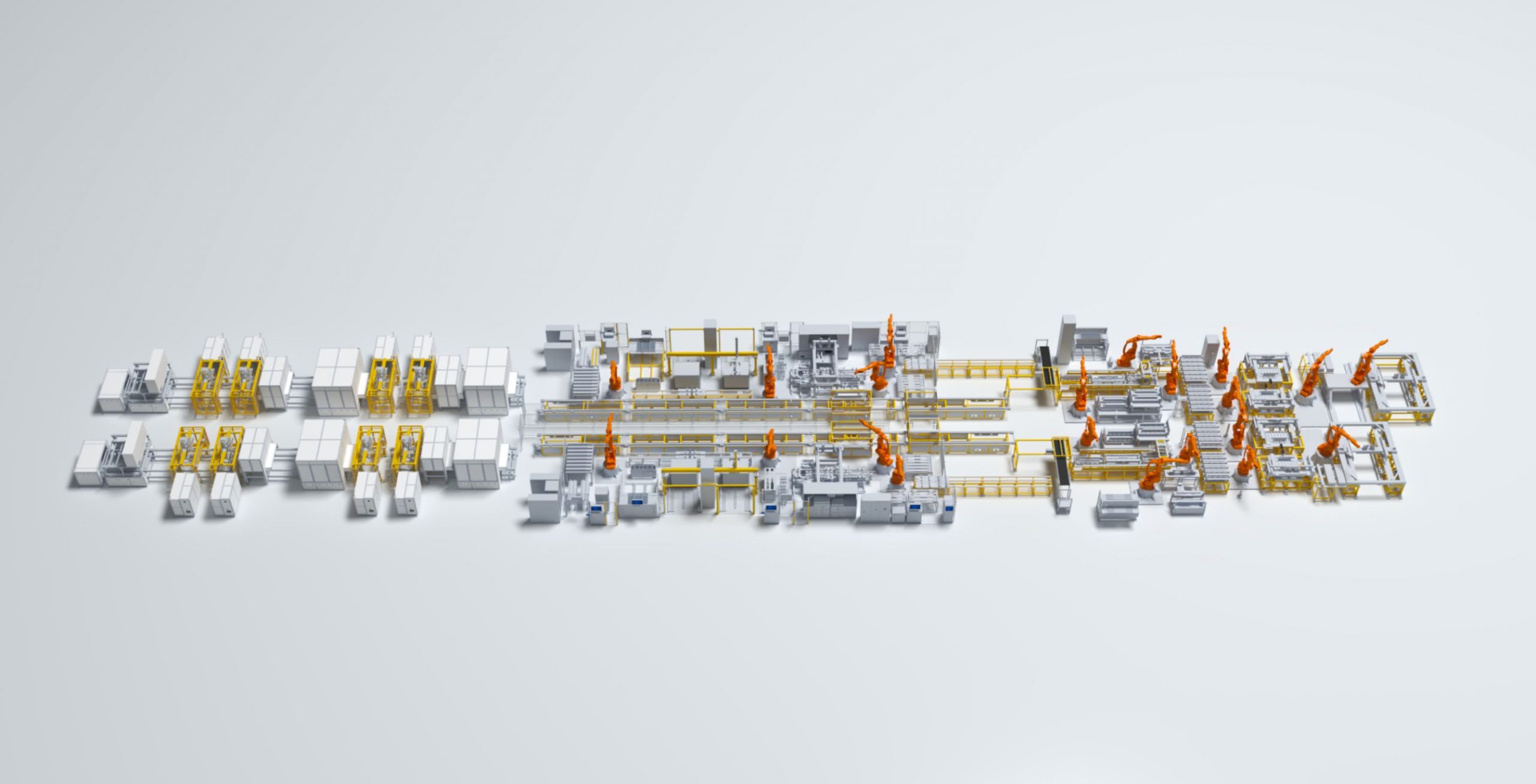
See the machines run with your constraints: material lots, shift patterns, and throughput targets. A tour or filmed run must show repeatability, not one-off success. Request a live demonstration or a documented pilot that mirrors your inputs; ask specifically about the blade battery automation line and how it handles the tolerances your cells require.
4. How do you handle root causes when problems recur?
Vendors speak of fixes; reliable partners teach containment, root-cause, and design change. Seek their process for identifying systemic faults versus operator errors. Ask for examples where they traced a recurring defect to design or supplier variance and delivered a permanent remedy.
5. What standards and safety verifications accompany the equipment?
Certifications matter only when linked to test evidence. Require documentation for electrical safety, cell handling safety, and emissions where relevant. The provider must supply test protocols and pass/fail records, not vague claims of compliance.
6. Who controls software, updates, and data ownership?
Automation is software wrapped in steel. Clarify who owns code, who may modify PLC or MES logic, and how data is exported. Demand clarity on licensing, source access, and the process for third-party integrations. A locked system increases downstream cost; openness reduces operational risk.
7. What spare parts and local support will you guarantee?
Ask for an explicit spare-parts list, lead times, and regional stocking policy. Response time is a promise of continuity: confirm service SLA windows and the technician footprint near your site. A map of service centers or a named local partner is more reassuring than a global hotline.
8. How flexible is the line for future formats and process changes?
Machines will meet different cell geometries and chemistry iterations. Require modularity plans and documented changeover procedures. Probe for quick-change fixturing, adjustable conveyors, and software parameter libraries that reduce downtime when new formats arrive.
9. What operator training and ergonomics accompany delivery?
Human work remains central. Ask for curricula, hands-on modules, and operator assessment tools. Confirm that maintenance tasks are documented with visual aids and that safety ergonomics were evaluated with measurable metrics such as reach and lifting loads.
10. What are the acceptance criteria, warranty boundaries, and remedies for missed performance?
Define acceptance tests with pass/fail thresholds tied to your production metrics. Spell out warranty coverage, performance penalties, and remedies if KPIs are not met. Avoid vague promises; require a short list of remedies that follow objective failures.
Synthesis: Let Questions Reveal the True Partner
Problems do not yield to rhetoric; they yield to precise questioning and verified proof. These ten inquiries force a provider to move from beautiful language to concrete evidence, and they expose whether a solution is engineered for your floor or simply for a brochure. When answers are clear, documented, and repeatable, the path forward becomes practical and humane—qualities one finds in partners that combine engineering, field experience, and steady support, such as FHS.