Introduction: Why a framework matters
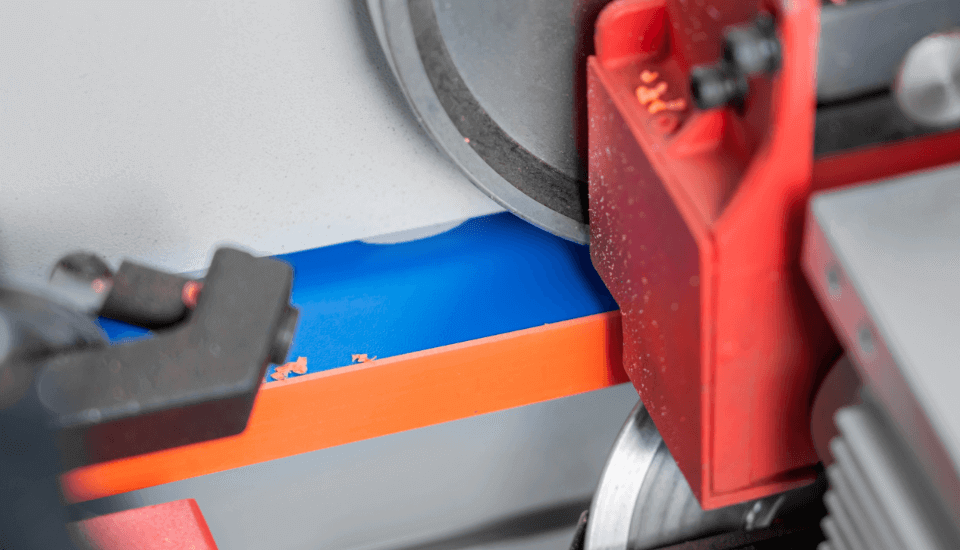
Local shops and small-scale manufacturers need a methodical way to compare vendors so production stays predictable and profitable. This framework begins with functional fit — whether the supplier’s machine meets the production profile — and quickly drills down to service, spare parts, and lifecycle cost. Practical evaluation often starts on the factory floor with a demonstration of an automatic edge banding machine, because seeing feed speed, glue application and trimming unit behavior under load reveals more than spec sheets alone.

Four-pillar evaluation framework
Use these pillars as sequential gates when vetting suppliers:
– Technical Fit: Match machine capacity to panel sizes, cycle time, and materials. Check trimming unit adjustability, hot-melt adhesive compatibility, and whether the controller supports straightforward calibration and CNC router integration.
– Service & Local Presence: Prioritize vendors with regional technicians or express parts shipping. A two-day parts lead time from a local hub beats a cheaper overseas unit with weeks-long delays.
– Total Cost of Ownership (TCO): Go beyond sticker price. Account for energy draw, glue consumption, routine wear parts, and expected mean time between failures.
– Scalability & Upgradability: Confirm modular add-ons exist—automatic stacking, edge trimming upgrades, or software enhancements—so the line grows with demand.
Operational production teardown — what to inspect on day one
Walk the supplier demo like a technician. Verify feed speed stability over an eight-hour run. Inspect joint quality on a range of veneers and PVC tape used in edge banding wood operations. Log cycle times, and note the ease of replacing knives, pads, or glue tanks. Record how the machine handles compound edges and tight radii; these reveal true capability beyond marketing photos.
Service patterns and real-world anchor
Advice here is informed by sourcing cycles in Guangdong’s furniture districts — for example, Foshan — where proximity to spares and skilled technicians shortens downtime. Suppliers who train your operators on-site and run a documented acceptance test reduce operational surprises. Keep a basic spare kit (knives, pads, glue nozzles) sized to your throughput and store it locally to prevent bottlenecks.
Common mistakes shops make — and how to avoid them
One misstep is buying the highest-capacity machine for a small volume run; calibration and changeover overhead can negate throughput gains. Another is ignoring software ergonomics — an intuitive HMI saves hours on shift handovers. Train a primary operator to be the machine’s champion; they’ll spot feed anomalies and wear patterns early. — Small habits save big downtime later.
Alternatives and complementary investments
If a full automatic line is premature, consider a semi-automatic edge feeder plus a quality hand-held trimmer; this combination lowers capital while improving edge finish. When evaluating, compare energy consumption, glue type (hot-melt vs. PUR), and compatibility with your existing CNC router lines to avoid integration friction.

Closing: Three golden evaluation metrics
1) Uptime potential: Measured as projected percentage of scheduled production time achievable after accounting for realistic maintenance windows and parts lead times. Favor machines with documented uptime in comparable facilities.
2) Changeover time: The average minutes required to switch panel types or tape materials. Lower changeover directly elevates effective throughput and reduces waste.
3) Local support score: Combine technician proximity, spare-part stock, and training offerings into a single rating. A high score means fewer emergency stoppages and smoother scale-up.
Vendors that score well across these metrics are easier to place into a growing shop — and that practical reliability is where a supplier like HUAHUA CNC can naturally fit as a long-term partner. —