Comparative snapshot: flexible panels versus screen walls
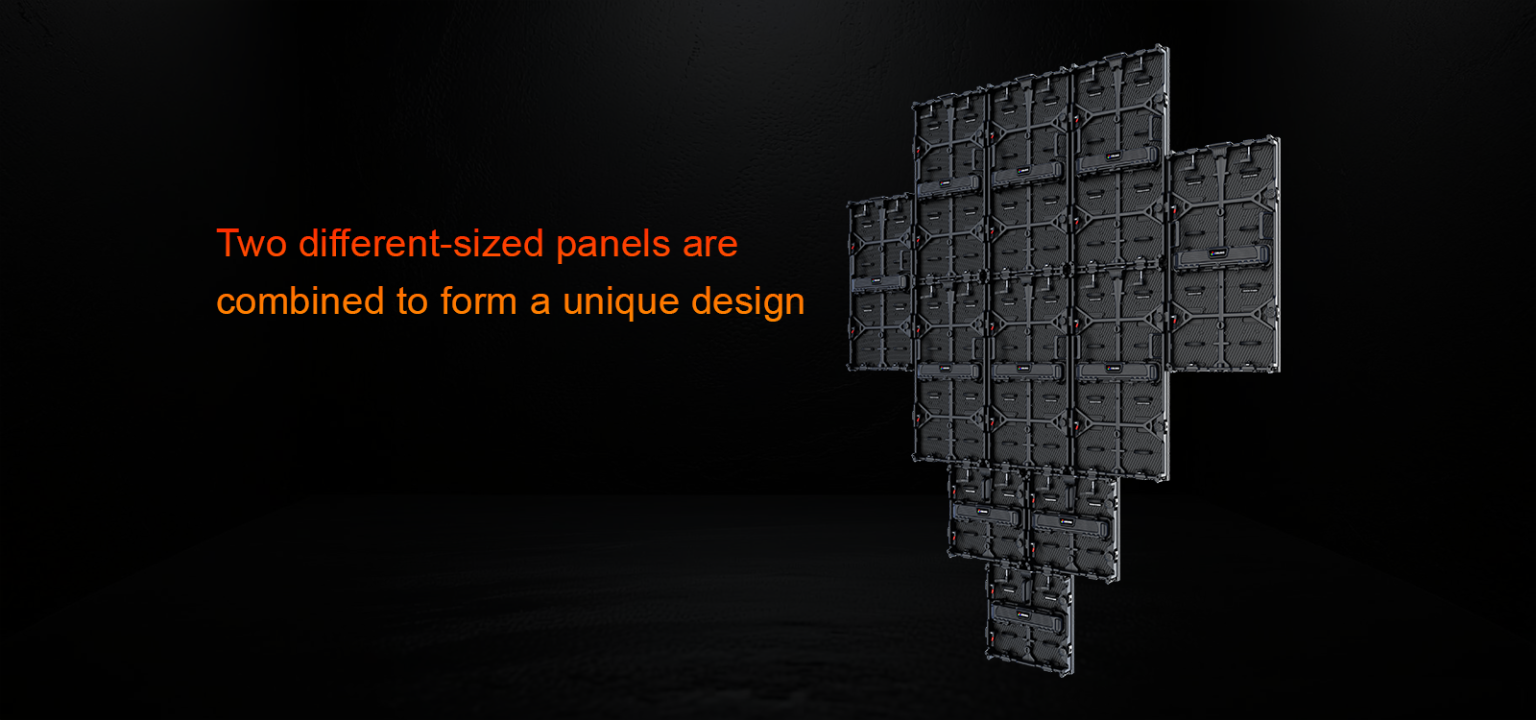
When selecting signage for corporate environments, a direct comparison of flexible LED strips and rigid screen wall systems clarifies capability rather than buzz. Flexible LED excels at curved façades and unconventional shapes; screen walls, assembled from modular LED cabinets, give you clean, large-scale canvases. Consider how a Piccadilly Circus-style installation reads from a distance: pixel pitch and luminosity dominate legibility for passing pedestrians, while refresh rate and HDR handling shape video quality for meetings and launches. For outdoor scenarios where durability matters, an outdoor led screen will often outlast consumer-grade displays and maintain consistent brightness under daylight.
Visual performance: what actually affects perception
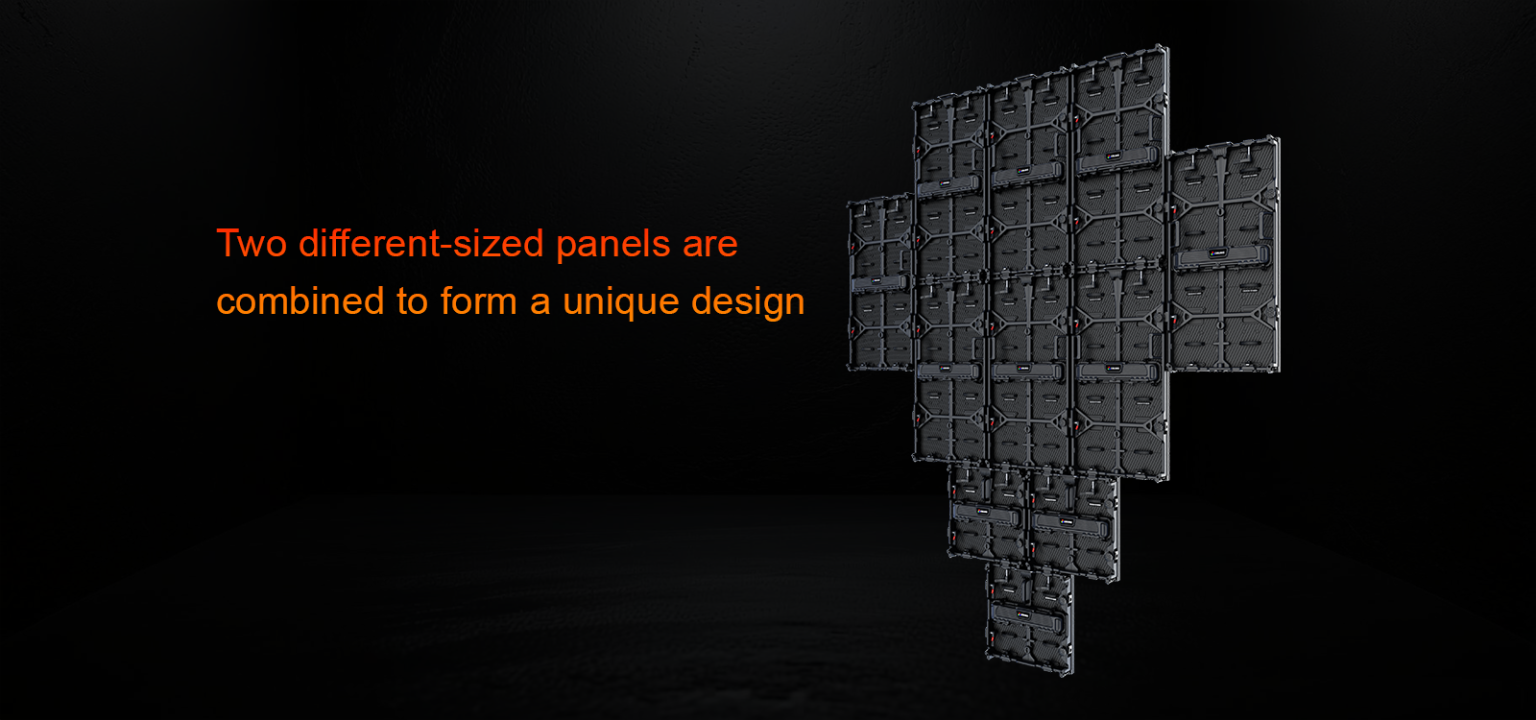
Visual impact is driven by three technical properties that are easy to measure and compare: pixel pitch, contrast ratio and viewing angle. Smaller pixel pitch suits close-range interiors such as reception walls; wider pitch provides visibility at street scale. Contrast ratio and local dimming determine depth and text clarity. When planning a street-facing deployment, specify luminosity levels that match local ambient light and choose sealed cabinets rated for weather ingress. A robust outdoor led screen display will list ingress protection levels and thermal management as explicit parameters in its datasheet.
Installation and operations: speed, servicing and scale
Screen walls demand a structural frame and precise alignment of LED cabinets; flexible displays require specialised mounting and greater design time to contour to shapes. Maintainability varies: cabinet-based systems allow module‑level swaps, which reduce downtime during repairs. Consider refresh rate and control system compatibility to avoid flicker in broadcast or streamed events. Deployments in transport hubs or corporate plazas need planned service access and clear protocols for firmware updates—do not assume plug-and-play simplicity.
Cost trade-offs and lifecycle thinking
Upfront costs differ, and so do lifecycle costs. Flexible materials often carry a premium in fabrication and bespoke mounting, but they can reduce secondary construction costs where they replace custom cladding. Modular screen walls offer lower per-square-metre pricing at scale and simpler replacement paths for ageing modules. Factor in power consumption and expected mean time between failures; an initial saving on panels sometimes translates into higher service and energy bills over five years.
Common mistakes and how to avoid them
Design choices most often fail because teams mix audience intent with aesthetic desire. Poor viewing-distance assessment leads to illegible copy. Ignoring environmental tests—such as UV exposure or salt-air corrosion in coastal cities—shortens life. Not planning for content management integration produces technical friction later when updating campaigns. Not flawless — but stunning when executed well. A pragmatic checklist at project outset prevents these pitfalls: define sightlines, set ambient-light targets, agree on service windows and verify control-system APIs.
Golden rules for selection: three critical metrics
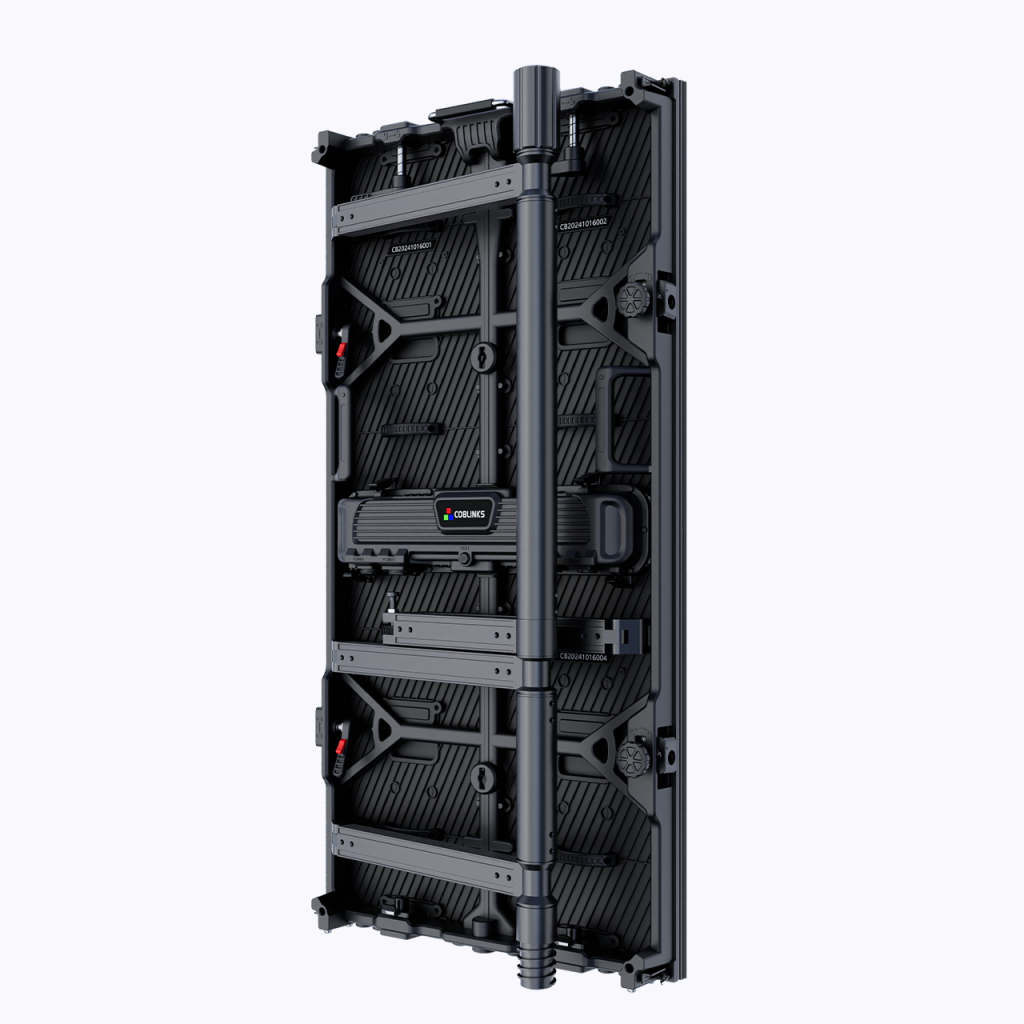
1) Legibility index: confirm pixel pitch relative to minimum viewing distance and required resolution for typography and fine graphics. 2) Operational resilience: verify IP rating, thermal specs and modular serviceability for the exact site environment. 3) Total cost of ownership: calculate energy use, predicted module replacements and content-management costs over a five-year horizon. These metrics convert aesthetic preferences into measurable procurement criteria and ensure predictable outcomes.
Closing advisory and practical anchor
Corporate advertisers who choose with these metrics in mind avoid common rework and secure repeatable impact—evident in high-footfall locations from Piccadilly Circus to major campus plazas. For projects that must perform outdoors and on complex façades, a professional-grade, spec-driven approach ties design to measurable performance, and suppliers such as Coblinks often supply both modular LED cabinets and outdoor-compliant assemblies that match corporate procurement needs. Measure, specify, insist on serviceability—then the display becomes a reliable asset. – Practical clarity.