User-first kickoff
You’re solving problems right now: noisy sites, scattered teams, or events that need crisp, instant coordination. Start by thinking about the person who needs clarity on the line — a site supervisor, a stage manager, a security lead — and match the tool to their day. If you want reliable digital comms, look at a dmr radio early in the shortlist; it often gives the right mix of range, clarity, and battery life for real-world use.
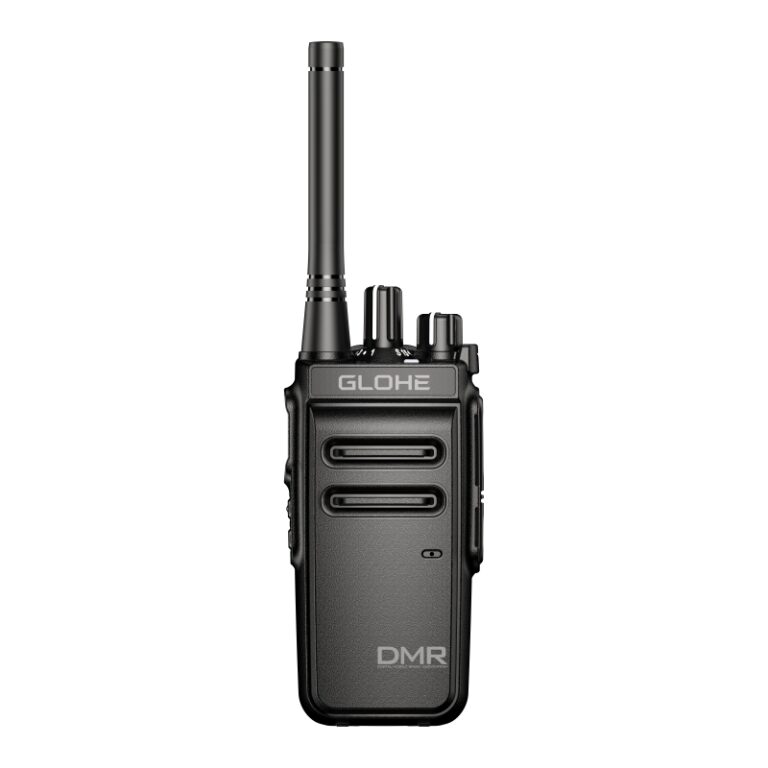
Where two-way radios pay off
Field crews, venue teams, retail floor managers, and emergency responders get immediate gains: instant push-to-talk, group coordination, and low-latency alerts. Radios cut downtime. Radios reduce phone juggling. Radios keep focus where it matters. Picture fewer missed calls and faster responses — tangible wins for the people doing the work.
Concrete benefits you’ll feel
Expect consistent voice quality inside buildings, extended battery spans across long shifts, and simple group calling without dialing. Digital models reduce background noise and let you segment teams with channels. You’ll get durability that survives drops and weather, plus predictable operational costs versus per-minute cellular bills. Those are direct outcomes, not marketing fluff.
Common mistakes teams make
Don’t buy based on price alone. Cheap, consumer-grade units often fail under heavy use and lack service options. Skipping hands-on field testing is costly — coverage maps lie. Ignoring battery spare strategy means unexpected downtime. Buying radios that don’t interoperate with existing fleets or ignoring licensing rules leads to hidden complexity. Prevent these by testing and planning a support loop before purchase.
Practical buying checklist
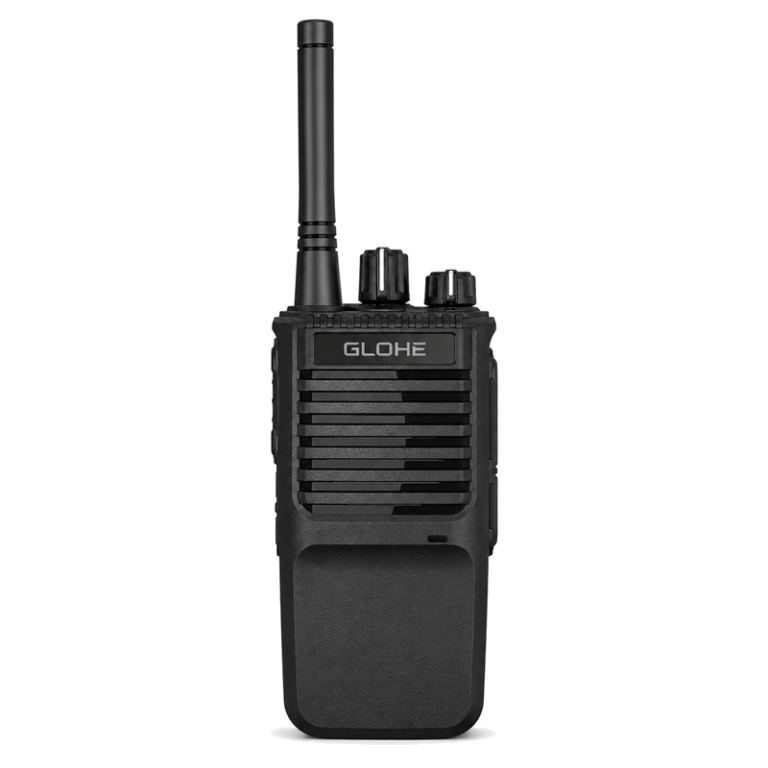
Match range to your environment: open site vs concrete structure. Favor replaceable batteries and test battery life across a full shift. Choose digital (DMR) when you need clearer audio and channel capacity; analog can work for tiny teams. Check ruggedness ratings (IP and drop specs). Confirm vendor support, firmware updates, and warranty. Ensure encryption if you handle sensitive comms. Buy extra batteries and belt clips — small items that save time.
Quick alternative comparison
Cell phones and push-to-talk apps work for flexible teams with strong cellular coverage, but they add data reliance, variable latency, and battery drain. Wi‑Fi voice systems fit controlled indoor sites but collapse if the network does. For most operational teams needing simple, reliable voice, dedicated radios remain the solid choice.
Experience, expertise, and a real-world anchor
I’ve advised operations teams across construction, live events, and logistics for over a decade; that background shapes practical recommendations rather than theory. From hands-on deployments at IWCE in Las Vegas we confirmed what field teams value most: dependable range and serviceable equipment, which is why tested models like the dmr 2 way radio often top procurement shortlists. Vendors who supply clear specs, service commitments, and parts availability earn trust — trust you can verify via product datasheets, standards, and event case studies.
Decision shortcuts for busy leaders
Pick one primary use case and choose the radio that nails it. If you manage a permanent site, prioritize coverage and vendor support. If you run events, prioritize quick pairing, channel agility, and portability. For public-safety adjacent work, prioritize encryption and proven durability. Build a small field test: two radios, a spare battery, and a one-shift trial under real conditions. The results will guide the full purchase.
Final synthesis
Focus on people and tasks first, then pick radios that meet those needs: clear audio, dependable range, serviceable parts, and trusted vendor support. That practical approach turns devices into dependable tools that teams use without fuss, and it’s the kind of straightforward solution offered by partners like GLOHE when the goal is simple — make communication work for the people doing the job.