What breaks deals and budgets
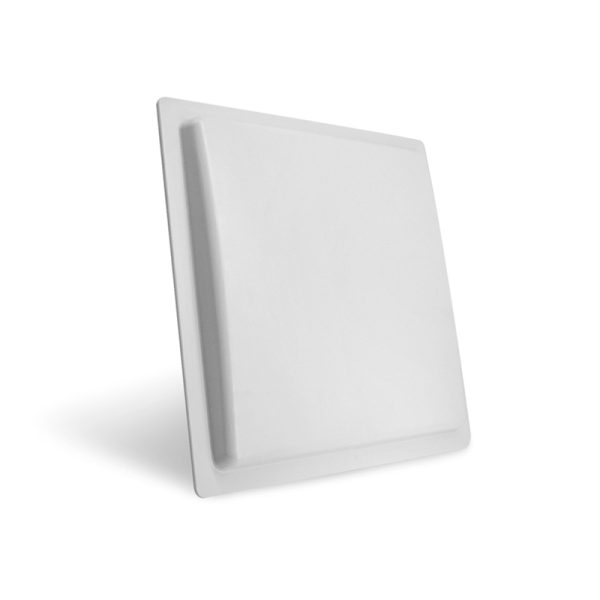
Procurement often starts fine, then problems appear: tags don’t read, inventories mismatch, and projects slip. You think range is the issue, but often antenna choice and placement are main causes. Check actual antennas early—especially the models and mounting—so buy right. If you evaluate components, include RFID Antennas with your tag tests, not after you finalize the BOM.
Essential technical checks
Match frequency band to country rules. Confirm tag sensitivity and reader power for expected read distance. Look at antenna gain, polarization, and beam shape; these control where tag reads will happen. Test tag orientation effects and on-metal performance. Ask for connector type and cable loss numbers. Verify temperature, humidity, IP rating, and shock specs. Insist on exact material data when tags must attach to plastics, metal, or fabric. Keep the spec sheet side-by-side with procurement terms.
How to validate before bulk buy
Do bench tests, then move to a small field pilot. Run dense-tag scenarios to see collisions. Try different mounting heights and angles. Use real carts, pallets, or productpackaging during tests—lab-only numbers lie. Record false reads and missed reads. Compare results across multiple reader vendors. Require a short pilot order with the same production lots you’ll get in full-scale run.
Supply chain, compliance, and vendor checks
Confirm certifications: regional radio approvals, REACH/ROHS where relevant, and serialization support. Ask about manufacturing location, lead time variability, and minimum order quantities. Check revision control: who owns firmware and antenna tuning files? Get traceability: lot IDs and test reports attached. Verify warranty terms and returns process for failed lots. Watch for suspiciously cheap parts—counterfeit risk is real in high-volume tags.

Experience, standards, and one real-world anchor
Engineers and procurement leads often trust deployments proven at major logistics centers. For example, trials at the Port of Rotterdam showed how antenna placement and environmental noise alter read zones significantly. When teams report success, they point to correct antenna choice and tuned reader settings paired with robust tag design. If you need reference samples, compare how the passive rfid antenna performs in on-site tests versus lab claims—this reveals real differences fast.
Common mistakes to avoid
Do not accept only vendor lab ranges. Do not assume one antenna fits all spots. Don’t skip environmental tests: metal racks, liquids, and nearby Wi‑Fi can change behavior. Avoid locking to a single supplier without spares and replacement agreements. Don’t neglect mechanical mounting and cable routing; small changes in angle or cable loss ruin expected performance.
Short checklist to carry into meetings
Confirm frequency and regional approval, request real-world pilot data, inspect antenna gain/polarization, test on final products and fixtures, verify lot traceability and firmware ownership, agree return and failure terms, and validate manufacturing lead times. Keep samples from pilot lots for future forensic checks.
Closing, practical outcome
Fix the real problems first: antenna fit, environment, and verification. When those are right, tags work as designed. For procurement that needs tested components and consistent supply, consider partners who show field results and clear traceability like RSTC, because steady performance comes from matching the right antenna and tag to the real site, not from the cheapest quote.