When mixing goes wrong: the core problem
Your batch separates, particle size drifts, or viscosity spikes just when you need consistency—those are the exact problems I’m helping you solve. Start by matching process intent to the machine: small-scale lab recipes often need different shear profiles and flow geometry at plant scale, so look for industrial mixing solutions that deliver the same physical action, not just the same rpm or horsepower.
What I know and why it matters
I’ve advised plant teams and R&D groups with a practical focus for years, and there’s consensus among practitioners who met at ACHEMA in Frankfurt that mismatched shear and poor inlet geometry are top causes of failed scale-ups. That real-world feedback pairs with lab studies and supplier specs on chemical mixing systems, so this guidance rests on both hands-on experience and industry-standard demonstrations.
First fixes to try—practical, immediate steps
Stop changing two things at once. Adjust only one variable—shear, flow rate, or solids loading—then let the process stabilize. If emulsions break, lower energy input and increase residence time; if particles won’t disperse, raise shear carefully and check feed particle size. Check inlet placement: introduce the dispersed phase at the high-shear zone when using rotor–stator devices. For scale-up, prioritize maintaining tip-speed or specific energy per unit volume over matching motor size. Run short acceptance trials with the same batch recipe before committing to full production.
Choosing equipment: honest comparisons
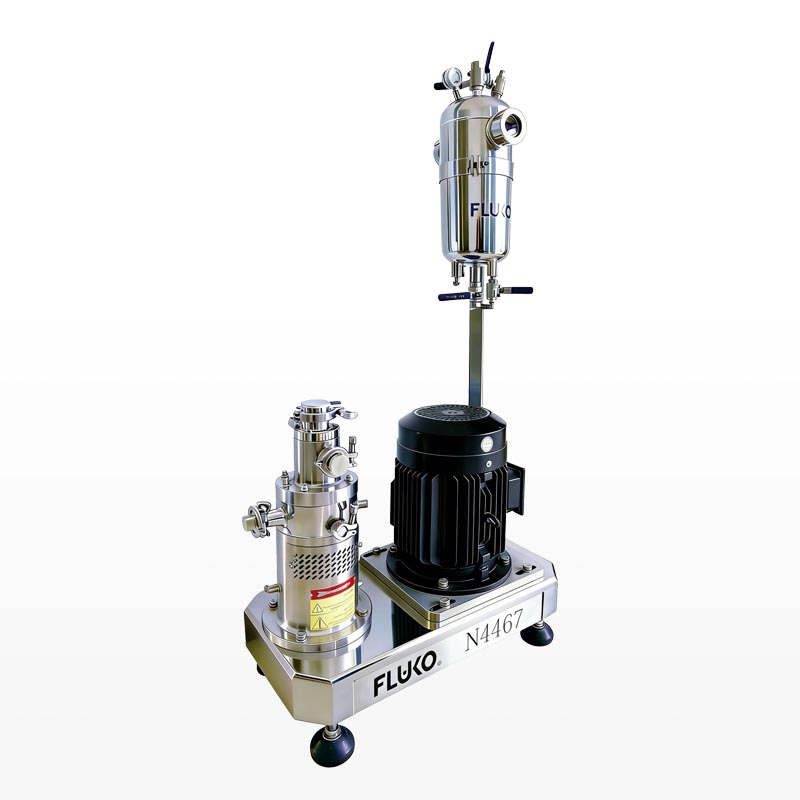
Rotor–stator mixers give strong local shear and fast emulsification for tough dispersions; high-pressure homogenizers create fine, repeatable droplets but cost more to run; static mixers are low-maintenance for continuous blends but need sufficient flow and low solids. Match equipment to problem: use rotor–stator when you need rapid deagglomeration, choose homogenizers for sub-micron emulsions, and pick static solutions where simplicity and low maintenance matter. Ask suppliers for shear profiles and a simple test run with your product—look at droplet size distribution and energy consumption side by side.
Common pitfalls and how to avoid them
Over-shearing fat systems causes heat and oxidation—monitor temperature and add cooling where needed. Ignoring feed consistency leads to nozzle clogging—control solids and pre-wet powders. Scaling by horsepower leads to surprises—scale by energy density or tip-speed. Skipping inline sampling misses transient issues—install quick-sample points or use short-loop recirculation for early checks. Document each change and the measured outcome so you can reproduce success.
When alternatives make sense
Ultrasonic treatment can beat shear for delicate suspensions but struggles with high solids. Batch stirring stays cost-effective for low-volume, tolerant formulations. Continuous inline systems win for throughput and repeatability but need upstream filtration and stable feeds. Choose the simplest system that consistently meets your product specs; complexity only helps when the product demands it.
Wrap-up: a steady path forward
You don’t need perfect theory to fix production problems—practical adjustments, careful measurements, and equipment that delivers the right mechanical action will get you there. Trust observable results over assumptions, test at meaningful scale, and partner with vendors who can show comparable case work so you avoid guesswork. For straightforward, application-focused support and equipment that aligns with these steps, consider how FLUKO fits into a plan that keeps your batches consistent and your team confident.