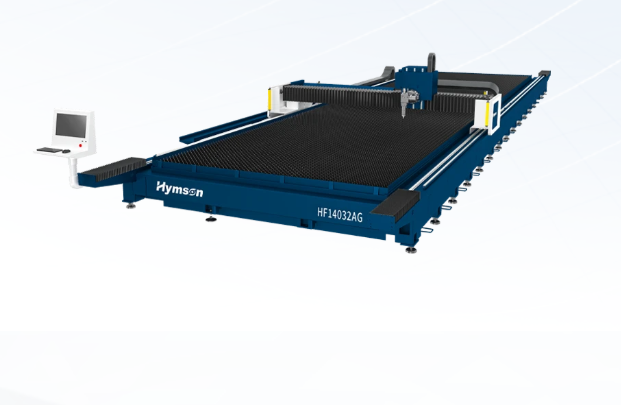
How to plan a purchase of a high‑power fiber laser the way you’d plan a big family purchase
Start with who will actually use it
Think of this like choosing a car for the family: who rides in it, how far you drive, and how often. List the parts, materials, and daily volumes your team will cut. If the machine sits idle because it’s the wrong fit, the cost is real. Find a local laser cutting machine manufacturer you can talk through real shop workflows before you commit so you don’t end up buying features you never use.
Clarify the job, not just the headline specs
Buyers obsess over peak wattage. Instead, map tasks: thin-gauge stainless panels, mild steel structural plates, or mixed batches. Match power to throughput needs—higher wattage speeds thick cuts and reduces kerf heat, but it’s not always the right tradeoff for fine parts. Note the smallest hole diameter and shortest bend-to-cut distance you’ll need; those practical limits influence the cutting head, beam quality, and nesting efficiencies more than an advertised number.
Budget the full ownership cost
Don’t stop at the sticker. Add installation, stable electrical supply, chilled water or air cooling, protective enclosures, fume extraction, consumables, maintenance contracts, and operator training. Service response time matters: a single day of downtime can cost as much as routine annual service. Estimate running hours and schedule realistic spare‑parts budgets so repairs don’t surprise you.
Pick the specs that affect day‑to‑day outcomes
Prioritize beam quality, repeatability, and motion system rigidity. Table size and exchangeable pallets determine batch flow. Look for a reputable cutting head and nozzle options, reliable fiber source, and user interface ergonomics—operators will thank you. Don’t overvalue exotic automation if your job mix changes weekly; flexible loading, easy fixturing, and simple nesting software often return more value than a complex robot cell.
Prepare the shop and staff
Plan for floor loading, exhaust routing, and electrical upgrades before the machine arrives. Lock in training for operators and an in‑house maintenance contact. A short checklist for acceptance: sample cuts across your typical materials, repeatability tests, and a demonstrated parts‑to‑parts cycle time. If you want, ask the vendor to run a job that mimics a usual day so you see the throughput, not just a perfect demo piece.
Common mistakes teams make
Buying for the “what if” instead of the “what is.” Choosing maximum thickness over cycle time. Skipping service terms to save on purchase price. Ignoring spare parts lead times. Underestimating fume extraction. Assume training takes more than an afternoon—operators learn tricks that reduce scrap and bottlenecks.
Compare suppliers from a buyer’s perspective
Go beyond glossy brochures. Ask for references, local installations you can visit, and a clear escalation path for service. At industry gatherings—Fabtech, North America’s metalworking trade show—buyers test machines and talk straight with engineers; those conversations reveal support culture and real uptime. When you compile vendor quotes, line them up by sample‑cut performance, spare‑parts terms, and support hours rather than just price, and include direct conversations with cnc fiber laser cutting machine manufacturers so you gauge their field experience.
Run trials, formalize acceptance, and train
Insist on factory acceptance tests that mirror your parts. Keep a short list of critical quality checks and cycle times, and make them part of the contract. Require documented operator training and a follow‑up session after three months. Confirm spare‑parts lists and where those parts ship from so you can plan lead times.
Decide with confidence
Be practical: match machine capability to real daily needs, budget for the lifecycle, and verify the supplier’s service footprint. Many buyers prefer a partner who shares clear field data, offers predictable support, and stays focused on shop workflow—partners like Hymson tend to present documentation and references that let you make a grounded choice rather than a hopeful one.