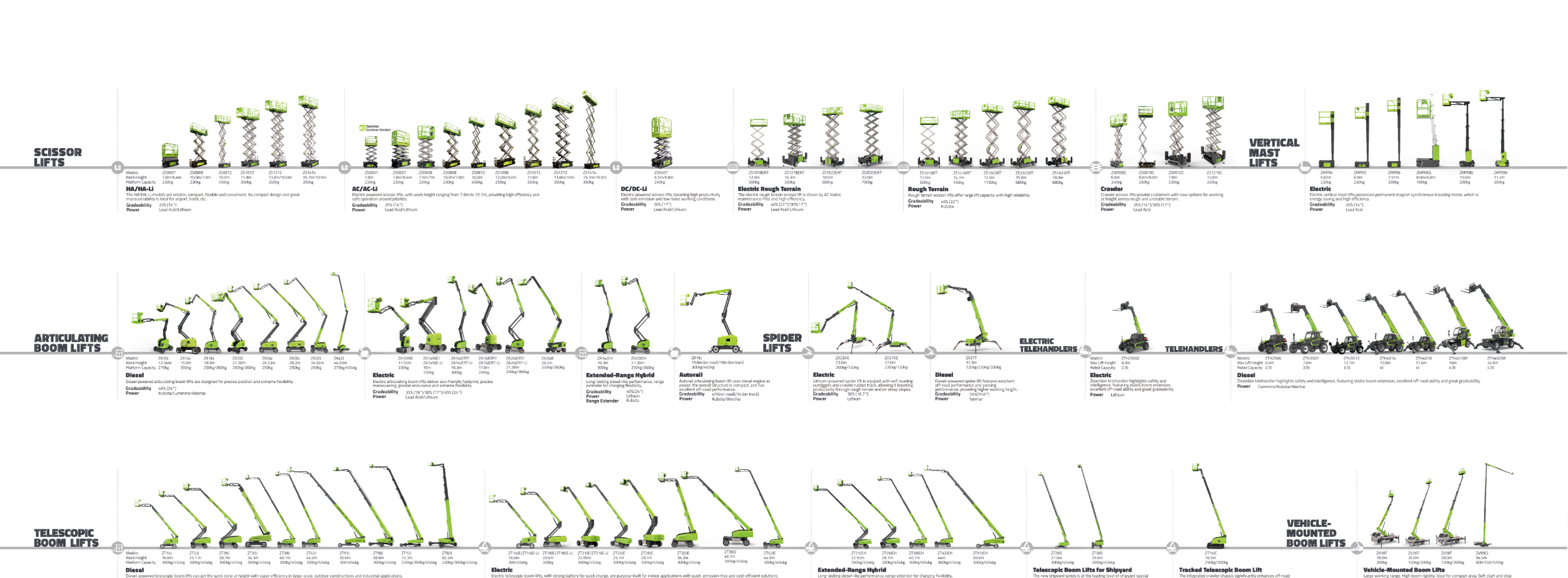
Quick user-focused introduction
You need reliable access that goes where wheels cannot. For many teams that means an elevated work platform built on tracks, especially when soft ground, steep grades or rough terrain are part of the daily job. A tracked scissor lift brings stability and reach together; I have seen the difference first-hand while supporting a Himalayan hydroelectric site in Nepal where tracked machines cut downtime on muddy embankments. This guide puts your priorities first — what to check, what to avoid, and how to choose equipment that keeps crews safe and productive.
Start with what you actually need
Think about how your teams will use the machine most of the time. Ask these practical questions and write simple answers:- Where will the lift travel daily: compacted gravel, turf, mud, or slopes?- How high and how many people or tools need to be lifted together?- How often will the unit be transported between sites?Your answers decide track width, platform capacity and transport class. Don’t pick the highest spec thinking it solves all problems — match capability to common tasks so you avoid paying for features you rarely use.
Core features that matter for everyday work
Focus on components that reduce downtime and increase safety:- Track system: wide, low-ground-pressure tracks for soft ground; segmented tracks for improved steering on rough surfaces.- Platform capacity and dimensions: enough room for two workers plus tools where needed.- Drive and grade capability: confirmed ability to climb the slopes you face, not just a factory spec.- Service access: simple panels and standard parts shorten repair time.Choose machines with straightforward controls and clear diagnostics; crews prefer systems they can inspect quickly at shift start.
Common mistakes contractors and fleets make
Operators often miss these practical pitfalls:- Buying for the extreme rather than the routine: oversized lifts sit idle or complicate transport.- Overlooking transport logistics: a machine that needs special permits or an oversized trailer increases operating cost.- Skipping routine maintenance plans: tracked undercarriages need regular checks and tensioning; that’s cheaper than unscheduled downtime.Avoid emotional buying. Test a machine on the surface you use most and talk to technicians about local parts availability before committing.
Short comparison: when to rent, when to buy
Compare use-case scenarios with clear numbers:- Rent if projects are short, demand is seasonal, or storage and maintenance capacity is limited.- Buy if you have steady monthly utilisation, trained technicians, and predictable transport arrangements.Consider a mixed approach: keep a core owned fleet for predictable tasks and rent specialised tracked units for short or unusual projects. That balances capital and flexibility.
Checklist before signing a purchase or rental
Use this checklist with suppliers and site teams:- Confirm platform capacity and size for actual crew and tools.- Verify ground pressure figures and test on representative surface.- Ask about track replacement intervals and associated costs.- Inspect service access, spare-parts lead time, and local dealer support.- Review transport dimensions and any permits or escorts needed.Tick each box with your operations team; a single overlooked item can double project time on site.
Alternatives and when they make sense
Tracked scissor lifts are not the only option. Consider:- Rough-terrain wheeled scissor lifts: easier transport, good on compacted surfaces.- Boom lifts on tracks: better reach and outreach for complex work at height.- Low-ground-pressure wheeled units: a middle ground where turf protection matters but absolute traction is not critical.Choose the simpler tool that safely solves most jobs. Reserve specialised tracked units for places where they truly add value.
Final synthesis
Your decision should rest on real tasks, real sites, and honest maintenance planning. Prioritise fit-for-purpose features, confirm local support, and test machines where you work. When the right tracked scissor lift reduces rework and keeps crews moving, the upfront choice pays back quickly — and practical, dependable solutions often come from manufacturers with clear service networks and parts access like Zoomlion Access.