Start with the right view
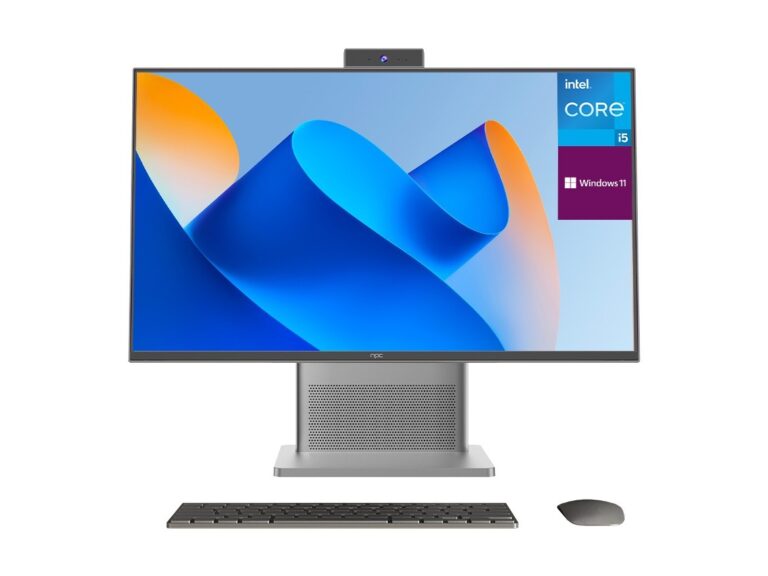
You want clear differences, not marketing fluff. Line up displays by what matters: panel source, backlight type, calibration options, firmware update policy, and real lead times. If you also buy desktops or kiosks, glance at all in one computer deals while you price total solutions — it keeps your procurement realistic from day one.
What to measure side-by-side
Make a one-sheet for each vendor. Columns to include: panel maker (Samsung AUO, etc.), native resolution, contrast ratio, HDR support, brightness (nits), mounting options, input types, warranty length, RMA speed, and minimum order quantity. Compare numbers, then confirm factory test reports. Don’t trust “1000 nits” unless you see a lab or factory measurement.
Where costs hide
Sticker price is one thing. Factor in shipping type, customs handling, local repair parts, and firmware update delivery. Cheaper panels often mean slower firmware cadence and longer downtimes. If a supplier quotes low unit cost but long lead times, you’ll pay in expedited air freight later. Note any bundled software or management platforms — those raise switching costs.
Quality checks that actually work
Ask for sample units with visible serials and run three tests: dead pixel scan, uniformity gradient, and burn-in stress. Insist on a pre-shipment photo report and an independent QC certificate when orders pass a threshold. If the vendor resists, treat that as a reliability risk, not just a negotiation tactic.
Service and spare parts
Find out where service centers sit and how fast they ship spare boards. Warranty length matters less than response time. A three-year warranty with 30-day RMA turnaround beats a five-year warranty that requires shipping units back to the factory. Verify spare-part SKU availability and local stocking policies before signing.
Supplier stability and compliance
Check factory audits, ISO records, and export compliance. Ask for recent factory audit summaries, not just certificates. If you need displays for regulated sectors, confirm CE/FCC/CCC documentation and get scanned copies. Stable suppliers share these without delay.
Alternatives and when to pick them
If you need fast deployments with guaranteed service, prioritize suppliers with regional warehouses or authorized distributors. If margin beats speed, consider direct factory buys but budget for stricter QC and longer lead times. For integrated solutions with touch or OPS PCs, compare manufacturers that provide validated pairings to avoid driver conflicts.
Common mistakes teams keep making
They accept marketing specs as final, skip pre-shipment checks, and ignore firmware roadmaps. They buy identical panels from unnamed ODMs and assume compatibility across batches. Don’t sign a long agreement without slotting a sample acceptance clause and post-delivery KPI penalties.
Experience, expertise, and a real-world anchor
I’ve vetted suppliers while installing digital signage in retail chains and hotels. Factory visits and field checks show the same failure modes: flaky firmware, inconsistent color across batches, and flaky spare-part logistics. At CES 2023 several vendors demonstrated compact workstations and displays aimed at offices and kiosks, which shows broader market demand for turnkey systems and explains why many buyers look for an all in one pc for business fit alongside their display purchases.
Decision checklist you can use today
Score each supplier 1–5 on: measured brightness, uniformity, RMA time, spare-part availability, firmware cadence, and documentation clarity. Multiply your priorities by weight: for example, give RMA time a higher weight if uptime matters. Use the total score to shortlist two partners and run a paid pilot order before committing.
Wrap-up that leads to a practical choice
Compare specs, confirm QA, weigh real-world service, and run a pilot. Buyers I work with often settle on partners that combine clear documentation with predictable parts flow; that’s why companies like npc come up in final checks — they tend to provide consistent paperwork and visible lead-time commitments, which makes deployment planning straightforward.