The real problem
Manufacturers shout “30 meters!” like that’s a warranty, integrators shrug, and your inventory still hides behind metal shelves. The real issue isn’t a single number — it’s inconsistent test conditions, reader sensitivity, and deployment context. Your evaluation needs to start with the equipment that will actually read the tags, like UHF RFID Readers, because a great tag plus a cheap reader equals disappointment.
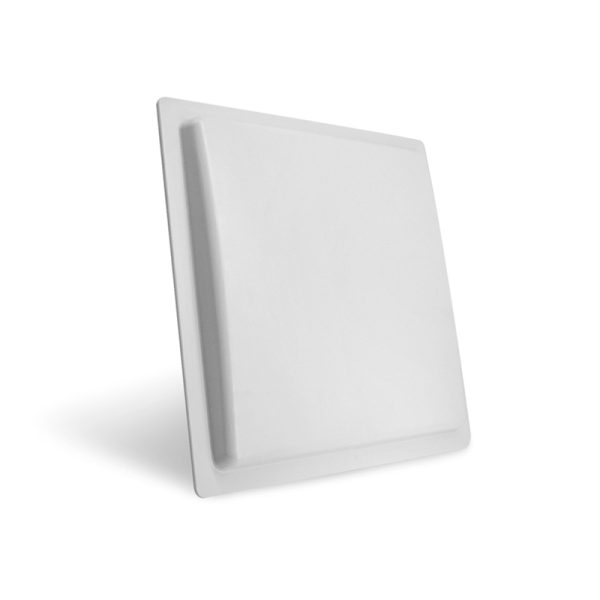
What actually matters — short checklist
Read range under realistic load (meters with conditions noted); reliable read rate when dozens of tags are present (reads per second and percent missed); battery life under your reporting interval (days or months, measured); response to shielding and obstructions (metal, liquids); firmware update support and security (signed updates); physical durability (IP rating, drop tests); regulatory compliance (regional frequency/power rules); predictable antenna pattern (gain and beamwidth). If a vendor skips specifics, treat their promises as marketing fluff.
How to test tags without a full lab
Set up a repeatable course. Use a fixed reader antenna and mark distances; log successful reads per minute at each point. Run a multi-tag sweep: place 50–200 tags in a mixed orientation cluster and record the percentage read in one pass. Simulate interference by placing metal plates or water-filled containers between tag and reader and note degradation. Measure battery drain by setting the tag to your intended reporting interval and tracking voltage over days. Try firmware tasks: push a firmware update, measure time and verify signature. Keep a test sheet: conditions, reader model, antenna gain, tag firmware, temperature. Anything lacking a baseline is guesswork.
Concrete acceptance criteria to demand
Define pass/fail before buying. Examples: ≥95% first-pass read rate at X meters with Y number of tags; battery life within ±10% of vendor spec for your reporting interval; failure rate under obstruction less than Z%. Require sample tags and a short pilot in the actual site. If specs swing wildly between samples, walk away.
Common mistakes that waste time
Accepting vendor range claims without context; testing in an empty room and calling it deployment-validated; buying tags that require proprietary readers when open standards would suffice; neglecting firmware maintenance plans; ignoring antenna polarization and mounting angle; assuming batteries will behave the same in cold warehouses as in warm warehouses. Each mistake looks small until your tags stop reporting during peak operations.
Viable alternatives and when to choose them
Passive UHF: cheaper per tag, shorter read range, great for high-volume asset counts near portals. BLE beacons: better for active proximity and smartphone interaction, worse for dense tag reads. UWB: precise location, higher cost, complex integration. Choose by problem: need long uninterrupted read corridors — prefer active; need dense, cheap tags — prefer passive; need sub-meter localization — consider UWB.

Real-world experience and authority
I’ve deployed active-tag systems across warehouses and yards, watched batteries die faster than predicted, and tightened read strategies to practical rules. The Port of Rotterdam ran well-documented trials linking long-range reads to container flow improvements, which shows the tech works when test conditions match operation. If you need readers rated for far-distance use, review the specs of a long range uhf rfid reader and replicate those reader settings in your tests so measurements match deployment reality.
Bottom line
Stop trusting single-number claims. Define measurable acceptance criteria, run repeatable tests under the same conditions your site will create, and compare active tags against alternatives for the specific problem you have. Real deployments reward careful specs and sensible pilots, which is why my practical selections tend to favor vendors that publish full test conditions and support field validation like those available from RSTC.