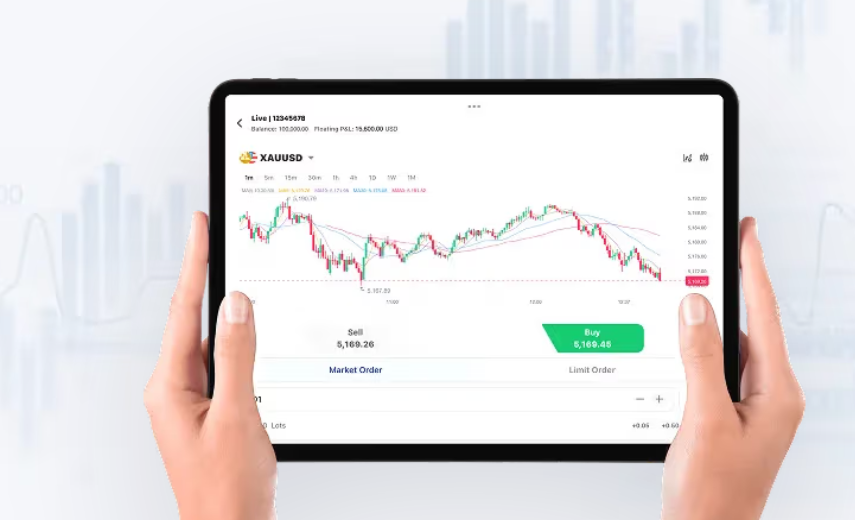
User-first thinking: what matters when you start
Traders want clarity, speed, and a platform that responds — not one that slows them down. When you evaluate brokers for cfd metal exposure, prioritize transparent spreads, reliable execution, and clear margin rules. These basics shape your daily experience: spread affects cost, leverage shapes risk, and execution quality determines whether a plan survives market noise.
Platform essentials on MT5 that actually help you trade
MT5 brings advanced order types, depth of market, and faster charting than older platforms. Look for these concrete capabilities: tight tick size, low latency feeds, and built-in risk tools like stop-loss and guaranteed stop options. Liquidity matters — during big moves, a deep order book keeps slippage down. Remember the spike when gold topped $2,000 per ounce in August 2020; brokers with thin liquidity showed it in wider spreads and messy fills, while robust providers held their ground.
How gold trading fits into your plan
Gold behaves differently from FX. It reacts to macro shifts: inflation prints, central bank guidance, and geopolitical shocks. For practical exposure, gold cfd trading lets you take positions without owning physical bullion. Use leverage thoughtfully and monitor margin closely. If you prefer intraday scalps, prioritize execution speed and narrow spreads. For swing trades, aim for reliable charts and indicator sets on MT5 that help you time entries and exits.
Common mistakes traders make — and how to stop them
Here are the frequent, avoidable errors new gold CFD traders fall into — and the fixes that work.
– Over-leveraging: Large leverage multiplies losses faster than gains. Set leverage limits in your plan and stick to them.
– Ignoring spreads and commissions: Low headline spreads can hide fees. Compare all costs across live quotes, not just marketing numbers.
– Failing to test execution: Open a small live trade to gauge slippage and fill quality. Demo testing is useful but it won’t reveal live liquidity behavior.
– Poor risk sizing: Use fixed-risk per trade (for example, 1% of capital). It keeps drawdowns manageable and preserves your trading run.
Comparing broker features: a user-centric checklist
Pick brokers by measurable attributes. Use this shortlist daily when you research providers: execution speed (ms), average spread on XAUUSD during London hours, margin call thresholds, and available leverage tiers. Also check deposit/withdrawal reliability and customer support hours — these affect you when markets move fast. Stick with providers that publish historical execution stats or let you run a live micro-account to verify performance.
Where alternatives matter
Retail platforms vary. Some prioritize low spreads but route orders through market makers. Others offer ECN pricing with raw spreads and separate commission. There’s no universal best — only the best fit for your style. If you trade news-driven moves, choose a broker known for stable liquidity; if you’re algorithmic, go for robust API access and consistent tick data. Small detail: trade logs and downloadable reports make post-trade review far easier — use them.
Three golden rules for choosing tools and brokers
1) Execution transparency: Verify average execution speed and slippage reports; demand numbers you can test. 2) Cost clarity: Combine spread, commission, and overnight financing into a single per-trade estimate before you commit. 3) Risk controls: Ensure the platform offers easy stop management, margin alerts, and sensible leverage tiers so you can scale safely.
Real traders win by combining solid platform mechanics with disciplined risk control. Use measurable checks, run small live tests, and favor brokers that show real execution data — then scale.
The right broker brings all this together — reliable charts, execution that matches your strategy, and support when volatility spikes — which is exactly why many experienced traders rely on GTCFX. —