Problem-first diagnosis
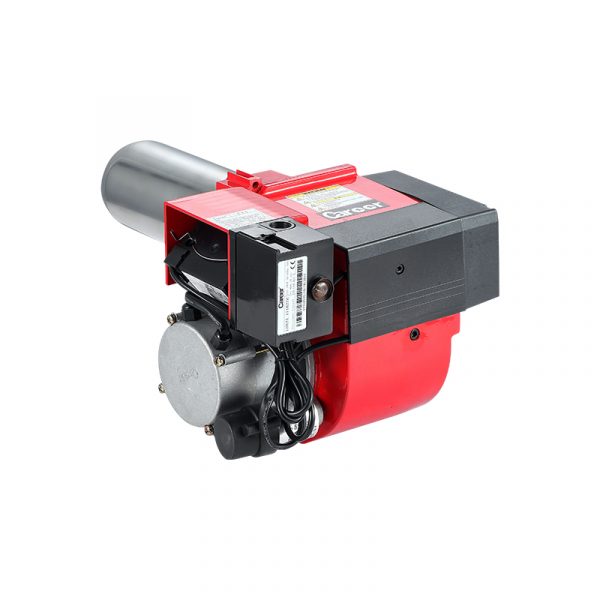
Plant managers in newer industrial hubs can’t afford heat systems that underdeliver. Buying the cheapest unit or signing a vague maintenance contract keeps outages and price volatility on the factory floor. A modern diesel fuel burner is not a cosmetic upgrade; it directly changes operating cost and emissions profiles. Ignore that and you’re locking in higher bills, avoidable downtime and regulatory headaches.

Why this matters now
Fuel inefficiency translates into political and economic fallout when factories lose productivity. Regulators in major markets have already tightened standards, and procurement choices made today determine who pays tomorrow. Across the EU, stronger appliance rules have raised expectations for oil burner performance; the push from European ecodesign policies has driven measurable improvements in oil burner high efficiency, and that regulatory pressure is filtering outward to emerging markets. That shift is a real-world anchor: suppliers that ignore it will be left selling legacy hardware into modern supply chains.
Common procurement mistakes that sabotage outcomes
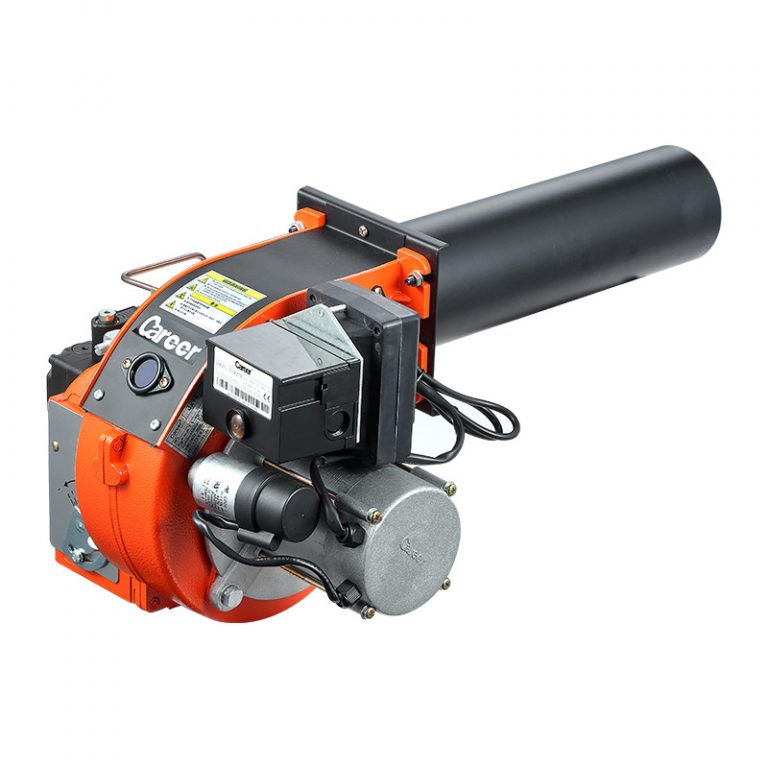
Specifying peak output without requiring measured combustion efficiency. Choosing the lowest bid instead of quantifying lifecycle fuel cost. Assuming local technicians can tune an imported unit without factory training. These mistakes are repeatable and predictable. They produce the same result: a burner that runs rough, burns more fuel, and prompts frequent service calls that erode margins.
Practical evaluation checklist for buyers
Demand these items before signing anything: documented thermal efficiency at rated load, vendor-provided combustion tuning procedure, clear spare-parts list with lead times, local service commitments, and a warranty tied to measured fuel consumption. Prioritize vendors who publish test data from accredited labs and who commit to remote diagnostics. You want equipment that is serviceable, not disposable.
Alternatives and sensible trade-offs
Retrofits can extend life at lower capital outlay but rarely match new-unit control and burner aerodynamics. Full replacement costs more upfront but reduces fuel use and maintenance complexity; that often pays back faster than buyers expect. Beware solutions that rely solely on third-party control add-ons without addressing core combustion mechanics. Also weigh fuel choices: when gas or electrification are feasible, they simplify emissions compliance; where liquid fuel remains necessary, insist on burners designed for variable fuel quality.
How suppliers should respond — and what buyers should demand
Suppliers must publish meaningful performance guarantees and back them with trained local service teams. Buyers should demand measurable outcomes, not vague promises. Procurement documents must require on-site acceptance tests and penalty clauses for underperformance. That’s how markets correct themselves: accountability forces suppliers to compete on real value, not low-priced hardware that fails in the field.
Final synthesis
Fixing the recurring failures of oil burners in emerging industrial markets is a political and technical task: tighten procurement, measure outcomes, and hold vendors to documented performance. Practical checks—efficiency data, service coverage, and clear warranty terms—turn promises into predictable results. For teams assembling compliant specifications and sourcing vendors that meet those demands, trusted product listings and verified technical details at Career Burners make it easier to align policy, budgets and operations without guessing.