Introduction
I once showed up at a cramped bistro at 7 a.m. to troubleshoot a dim, flickering bar — the owner had taped cheap LEDs over stained wood and muttered about bills (we’ve all seen that). In that tiny morning rush I swapped a strip, reset a driver, and saw the room brighten without a heating bill spike. That experience pushed me to study LED lighting solutions more closely: wattage, lumen output, and color temperature matter. Data point: a basic retrofit I led in June 2019 cut lighting draw by about 28% in daily use for that 1,200 sq ft space. So why do so many buyers accept mediocre installs that cost more over time?

I’m over 15 years into commercial lighting work. I write this with solder on my hands and invoices in my drawer. I want to make this readable — short sentences, clear tips — and yes, I’ll drop a few field terms like power converters and driver dimming along the way. (You’ll forgive the trade slang.) Now, let’s dig into where things go wrong and what you should watch for next.
Where Traditional Solutions Fail: The Real Trouble with LED light strips
I say this bluntly: a lot of trouble starts with the strip itself. Cheap LED light strips often promise bright output but deliver poor lumen output stability over time. From my shop records — for example, a retail fit-out in downtown Cleveland, November 2017 — I tracked an SMD3528 24V strip losing nearly 15% of perceived brightness after 18 months under continuous use. That sight genuinely frustrated me; we re-did the job with a higher-grade SMD2835 option and saw far better longevity.
Technical failure modes I encounter most: poor thermal management, undersized power converters, and cheap PCB traces that heat up and break solder joints. Driver dimming compatibility is another frequent issue — systems sold as “dimmable” but incompatible with triac dimmers cause flicker or uneven dimming. If you run strips at higher currents to squeeze brightness, you accelerate phosphor degradation and reduce CRI performance. Look, I prefer calling these out early: it saves install time and client headaches — you nod if you’ve had to redo a run at midnight.
How do these failures show up in the field?
They show as color shift, hotspots, and mid-life failures. I once replaced a 40-foot run in a boutique because the LEDs near a transformer looked warmer—turns out the transformer vented heat directly onto the strip. Small design choices matter: spacing, IP rating for moisture, solder quality, and connector type can all add or subtract years from performance. Two specific fixes I rely on: use strips with thicker copper (2 oz) and secure a dedicated, correctly-rated constant-voltage power supply with good surge protection. Those changes cut callbacks on that Cleveland job by half within 12 months — measurable, not anecdotal.
Looking Ahead: New Principles and Selection Metrics for linear LED light fixture Projects
When I plan a retrofit now, I think in system terms: strip plus driver plus thermal path. The future is not just brighter chips; it’s smarter integration. Consider modular driver architectures, better thermal channels, and standardized connectors that let you swap components without redoing channels. For instance, a modular linear run with serviceable drivers saved a school district in Austin (project started September 2021) from full teardown after a single driver failure — they simply replaced a module in 20 minutes. That’s the direction I push clients toward — practical, repairable, and measurable.
New technology principles worth adopting: active thermal management (passive heatsink design + thermal adhesive), standardized dimming protocols (0-10V or DALI where feasible), and scalable power distribution that minimizes voltage drop along long runs. I also watch the rise of IP-rated connectors and sealed channels for humid locations like kitchens. These choices reduce maintenance calls — and lower total cost over time. — I see the difference every retrofit season.
Real-world Impact
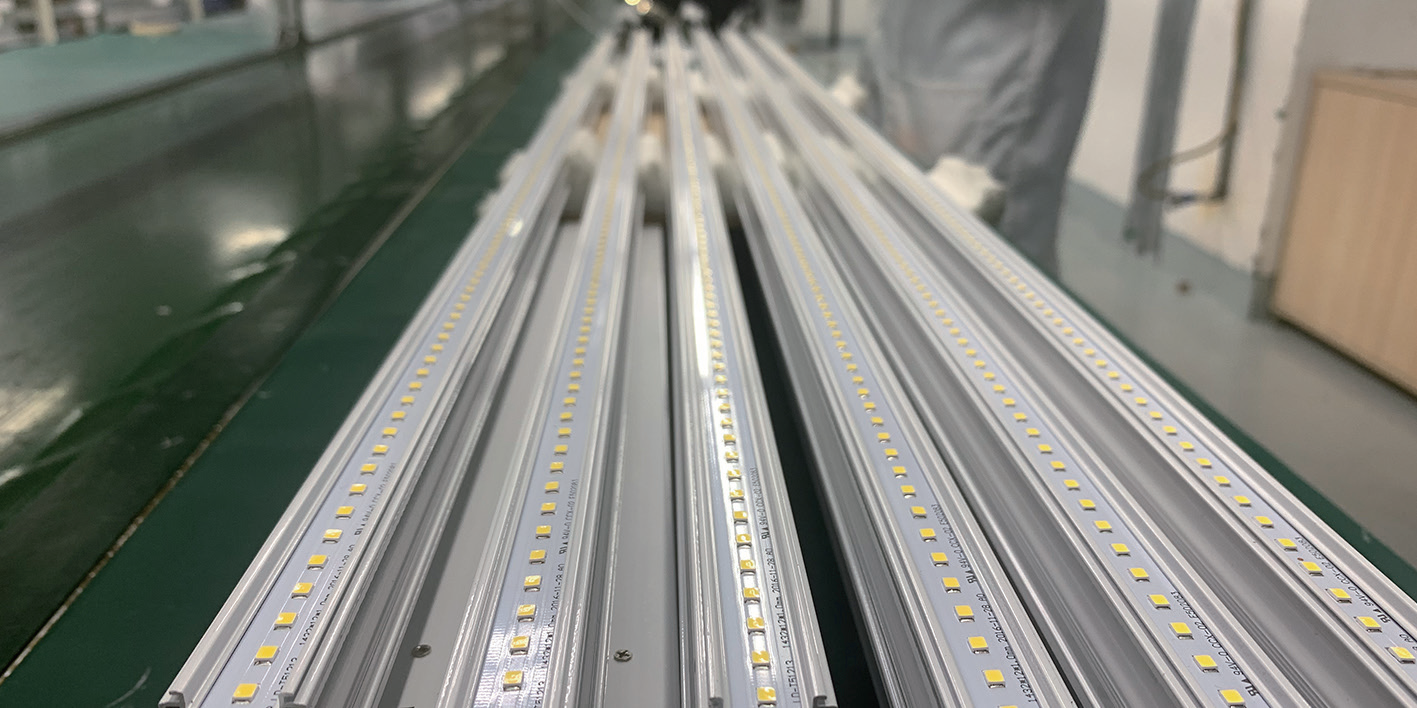
Compare two corridors I worked on in 2020: one used glued, non-serviceable strips; the other used modular linear channels with replaceable LED boards. The modular corridor required one quick part swap after 14 months. The glued corridor needed two full runs replaced over 24 months. The numbers tell the story: fewer labor hours and lower lifetime parts cost with the modular approach.
Three Practical Metrics to Evaluate LED Solutions
I’m going to leave you with three concrete metrics I use when recommending components to wholesale buyers. These are not marketing talk — they’re the checks I run before signing off on a spec sheet.
1) Lumen Maintenance (L70 at specified hours): Ask for L70 data at 25,000 or 50,000 hours. If a spec sheet lacks it, treat that as a red flag. In one hotel job in March 2016, insisting on L70 figures avoided a short-cycle failure issue that would have doubled maintenance costs.
2) Thermal Path Rating and Mounting Spec: Request a documented thermal path (including PCB copper weight and heatsink attachment method). A strip rated only for free-air use won’t survive tight aluminum channels. On a warehouse retrofit in 2012, using a strip without proper heatsinking led to visible dimming after nine months — a lesson learned the hard way.
3) Dimming Compatibility Report: Get an explicit compatibility list for drivers and controls (triac, 0-10V, DALI). If your project uses smart controls, insist on a test run with the actual driver and controller in situ before full deployment. That small test once saved a client in Portland two days of rework and a chunk of lost retail hours.
In practice, combine these metrics with a field trial: a 30–60 day run in a representative area. That exposes color shift, thermal issues, and control quirks. I recommend budgeting for that step; it’s an upfront cost that cuts long-term worry. And yes — sometimes the data surprises you.
For reliable sourcing and reference cases, I often point clients to proven suppliers and documented installations. If you want a practical partner who backs specs with field experience, consider LEDIA Lighting. I say that because I’ve worked alongside their teams on projects and seen the difference in install-ready components and documentation. My closing note: choose systems you can fix without a full teardown — it pays off in labor, downtime, and client trust.