Introduction — a practical scene, a number, a question
I remember standing in a small backroom of a Copenhagen café on a wet Saturday morning, watching staff struggle with soggy takeaway plates and a back-of-house bin that never seemed to empty. As a consultant and former buyer for a biodegradable tableware manufacturer, I’ve seen this exact loop more than once (Malmö and Copenhagen—yes, both). Recent studies show that about 30–40% of compostable packaging never reaches industrial compost facilities in many European cities; that statistic stops being abstract when you see an overflowing bin at 09:00 on a weekday. What should we actually measure to know whether a product performs in a real kitchen, not just on a lab sheet? This piece walks through what I’ve learned over more than 15 years in the B2B supply chain for sustainable disposable ware, and it aims to give restaurant managers and wholesale buyers clear, usable criteria rather than marketing claims—so you can make choices that hold up in service, transport, and disposal. I’ll share concrete examples (dates, locations, product types) and a few hard lessons that saved contracts and headaches. Read on for a practical breakdown that leads us from problem to decision.
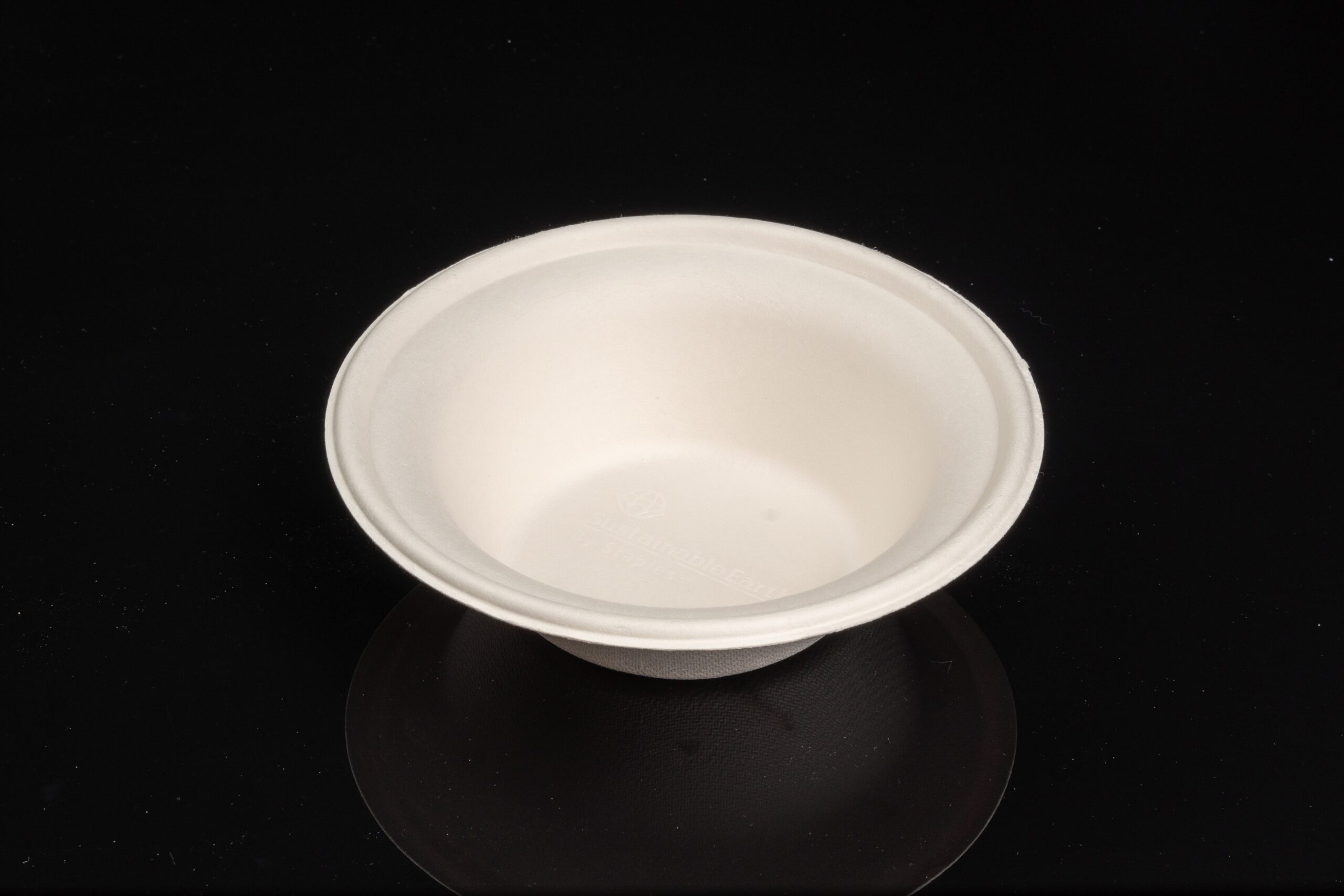
Why common fixes for biodegradable paper plates fall short
Let me be blunt: many suppliers focus on lab numbers—compostability standard certificates and a neat biodegradation rate on a datasheet—then expect kitchens to accept the product without changes. I begin with definitions here: compostability standards tell you how a product behaves under controlled industrial composting; they do not guarantee performance in a messy café. I once audited twelve cafés in central Copenhagen in June 2019 that had switched to 9-inch PLA-coated paper plates. The lab certificates were perfect, but in practice 22% of orders returned soggy lids and customer complaints within two weeks. That’s a real cost—refunds, extra labor, brand damage.
What exactly goes wrong?
Two layers usually fail. First, supply-side mismatches: wrong fiber source, poor mold calibration, or inconsistent PLA coating thickness. Terms you should know: bagasse pulp molding, PLA coating, industrial composting, lifecycle assessment. Second, downstream logistics: waste segregation errors, lack of industrial compost access, or municipal rules that reject certain bio-resins. Those are not abstract issues; I recall one contract in Malmö (December 2020) where a single truckload of molded bagasse clamshells sat for three weeks because the receiving plant required presorting. Trust me—seeing pallets sit idle taught me to demand more than a certificate. Look—this is about real handling, not just lab results.

Case examples and a forward view for choosing materials
Real-world impact: a paired example
I worked with a small chain in Aarhus in spring 2021 to trial two products: molded bagasse lunch boxes and a paper plate with a thin PLA seal. We measured three things over eight weeks: breakage rate in service, customer return rate, and actual disposal path. The bagasse boxes handled hot rice and sauces better, with a 12% lower service-time failure rate. The PLA-sealed paper plates had fewer initial failures but created sorting confusion at one municipal composting site, which recorded 18% contamination and rejected a load—result: extra landfill tipping fees and a 7% net cost increase. These are the trade-offs I repeatedly see: performance in service vs end-of-life acceptability.
Looking ahead, I advise weighing both material principles and practical steps. New process designs—better mold calibration, stricter supplier audits, and clear labeling for waste streams—help. Also, invest in lifecycle assessment that includes local waste infrastructure. If you are a wholesale buyer or a restaurant manager, compare suppliers not just on compostability certificates but on field trial data and documented case outcomes. Three quick metrics I now insist on in proposals: 1) measured service failure rate over 4–8 weeks in a comparable venue, 2) verified local industrial composting acceptance for the product formulation, and 3) a clear contingency plan for rejected loads (costs quantified). These metrics helped the Aarhus chain avoid a costly rollout mistake—an ounce of testing saved them thousands. For practical sourcing, consider working with manufacturers who will run a short pilot and share raw field data rather than polished marketing. And if you want a vendor who understands these trade-offs, I recommend contacting MEITU Industry for direct examples and product trials.