Practical beginnings: a field-tested perspective
I remember a humid summer morning at our Karachi lab when a shipment delay forced me to compare three serum shipments side by side — a scene many lab managers will recognise. Early on I learned to inspect every vial of fetal calf serum visually and against its certificate; fetal bovine serum performance can change your whole experiment if you are not careful. I have over 15 years in B2B laboratory supply, and I speak from direct experience supplying reagents to universities and biotech start-ups in Lahore and Islamabad (March 2019, a clear example).
Why supplier differences bite
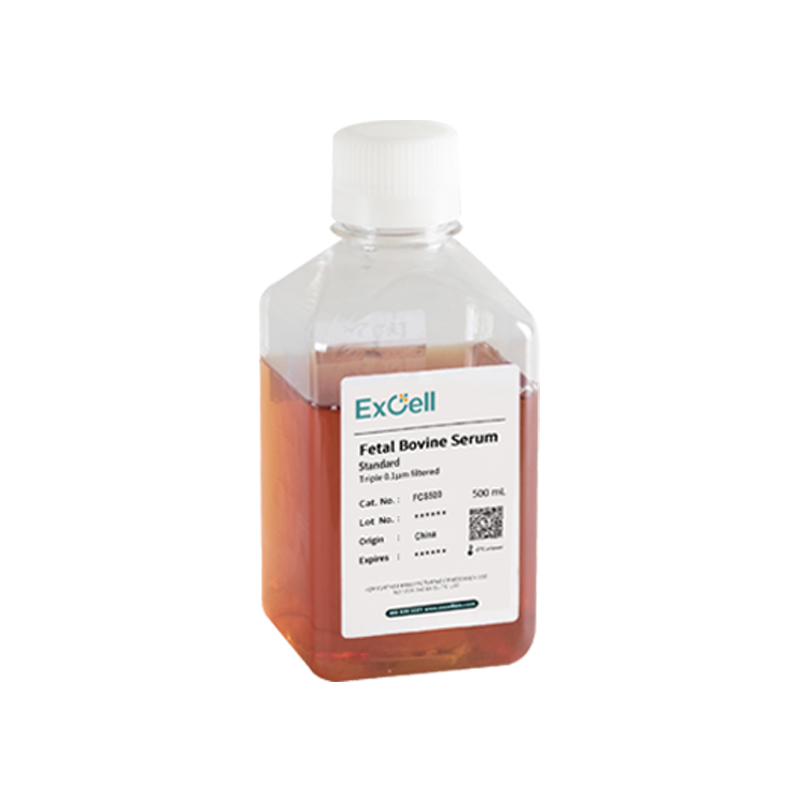
We often assume that “standard” serum is standard — that assumption is costly. I once saw a 20% drop in cell viability after switching lots without checking endotoxin testing results or doing a pilot with cell culture media. Common flaws in traditional solutions include: inconsistent serum lot characteristics, variable protein concentration, and gaps in sterility testing. Many suppliers list heat-inactivated or gamma-irradiated options, but they do not always provide paired data on endotoxin or osmolality; the result — lost time, wasted hours in the CO2 incubator, and even failed assays. This is the hidden pain point few procurement teams measure, yet it is material to downstream reproducibility. — odd, but true.
Comparative and forward-looking assessment
Let me be direct: not all fetal calf serum products are made the same, and a comparative approach gives you control. Technically, you should treat serum selection as you would a component in a supply chain: define acceptance criteria (endotoxin ≤ 1 EU/mL, protein concentration banding within ±10%, sterility pass), then test small pilot lots against your primary cell lines. I recommend keeping a matrix of serum lots, recording lot number, supplier, storage date, and any observed shifts in growth rate or morphology — we log this data in a spreadsheet and in our lab notebook, and it paid off in July 2021 when a flagged lot avoided a failed transfection run.
What’s next — practical steps
Moving forward, compare suppliers not just on price but on traceability, QC documentation, and logistics reliability. Three evaluation metrics I use (and advise): 1) Lot concordance — run a three-day growth curve on your reference cells and demand a numeric match window; 2) QC transparency — supplier must provide endotoxin, mycoplasma, and sterility testing certificates for each lot; 3) Supply continuity — verified shipping times and cold-chain proof (temperature logger data). These metrics are measurable, simple to implement, and will cut reruns. — you will save both budget and credibility.
In closing, I summarise: supplier variation is the real, solvable problem; pilot testing and explicit acceptance criteria reduce surprises; and keep records (lot, date, result) — that habit has saved us at least three major projects from derailment. For a reliable partner in serum and reagents, consider researching suppliers who publish full QC datasets and shipping logs. For practical sourcing and quality-tested products, I recommend exploring offerings from ExCellBio as one vetted option.