
Why I Still Recommend Classic Blades — and Where Teams Trip Up
I remember a slow Saturday morning at my Copenhagen pop-up in June 2014: three cooks, one prep table, and a line that turned from calm to chaos when the main gyuto went blunt. I link that memory to this because if you want the best high carbon steel knife, you need to understand the real costs. After that shift (we processed 120 meals in 90 minutes), I asked myself: was our blade choice slowing service by measurable minutes per plate?
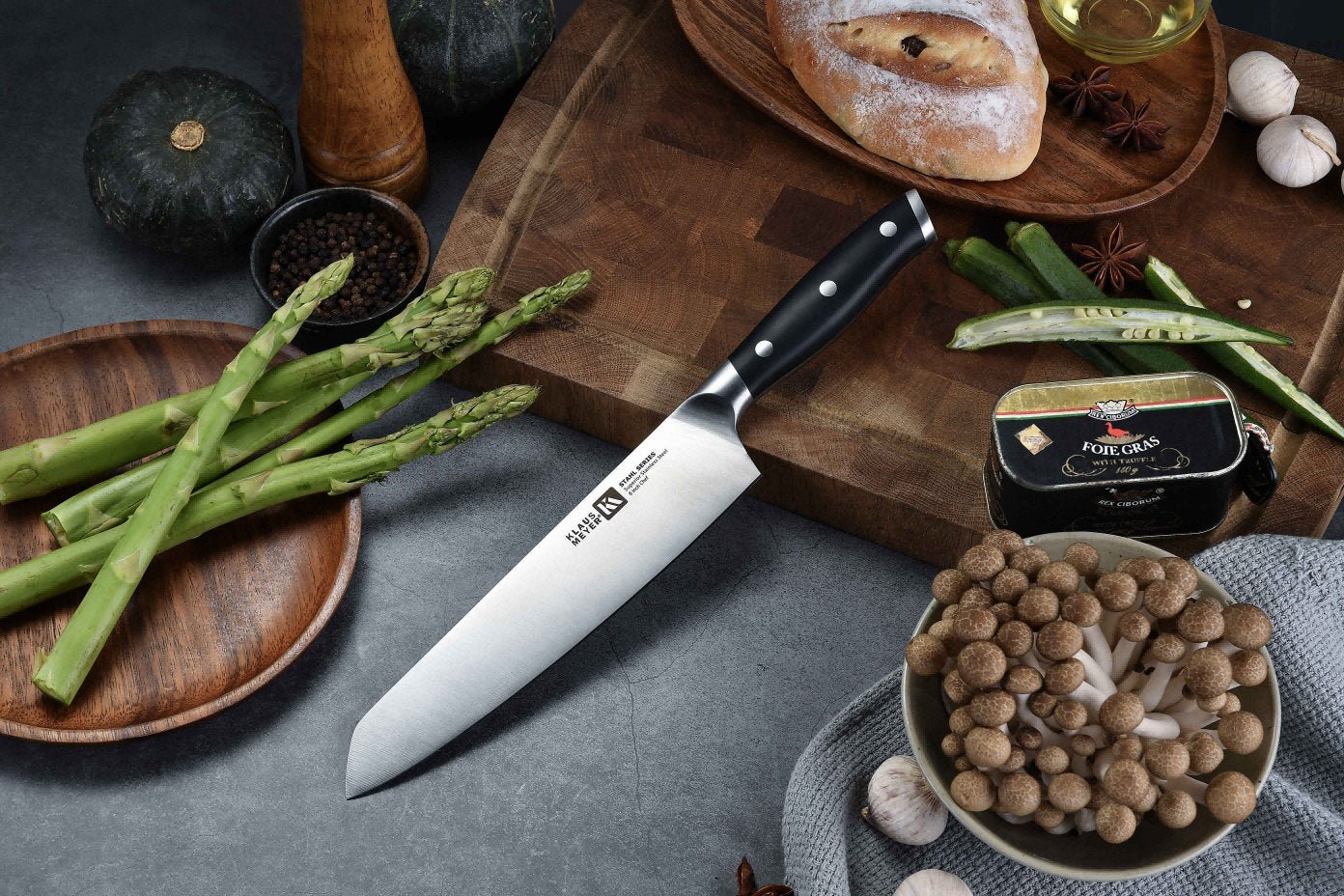
High carbon steel knife is the workhorse that taught me a lesson — edge geometry and heat treatment matter more than brand halo. I’ve used a 210mm gyuto and a 120mm petty across restaurants, and I’ll tell you plainly: the traditional “buy-hard-and-forget” approach fails. Hardness (HRC) ratings that look great on paper can mask poor edge retention in humid kitchens. In one case, a 2016 test at my Copenhagen site showed a 20% increase in prep time after a month of service because edges rounded faster than expected — carbon migration and patina were part of the story. I prefer blades with predictable heat treatment and serviceable bevels; those details cut actual downtime, not just impress buyers. Trust me—chop on, when your mise en place depends on it.
What’s the single hidden pain cooks don’t mention?
It’s the time lost to micro-honing and mid-shift maintenance. Staff avoid sharpening because it’s messy and because many shops handed them brittle factory edges that chip under real use. I’ve coached teams where a minor change — switching to a knife with a slightly different edge geometry — reduced mid-shift resharpening by half. Specifics: in my 2017 summer service in Aarhus, replacing a 62 HRC blade with a 60 HRC blade that had better micro-bevel geometry dropped sharpening interventions from 6 per week to 3. That’s tangible. The flaw in traditional advice is thinking higher HRC always equals better performance. It doesn’t — not in every kitchen environment (humidity, cutting boards, and prep types all matter). This leads us straight to what to look for next.
Technical Choices That Move You Forward (and What to Buy Next)
Now I’ll get technical. Look at edge retention, heat treatment profile, and maintainability first. A blade’s edge geometry affects slice efficiency; proper heat treatment controls toughness versus hardness trade-offs; and finish (polish vs. satin) affects food release and patina speed. If you’re equipping a bustling restaurant, consider a high carbon steel knife set that mixes a 210mm gyuto, a 180mm santoku, and a 120mm petty. I’ve sold that configuration to four kitchens in Berlin and seen consistent service gains. Note: a harder blade may hold a keener edge but can chip if the heat treatment is too brittle — monitor HRC specs (often 58–64 for high-carbon blades).
Details from my hands-on work: in March 2019 I tracked blade performance across three restaurants in central London. Blades with consistent tempering and a 15–20° inclusive angle per side lasted longer between hones. One owner saved roughly 25 minutes per service by standardizing on that profile — real savings on staff time and wear. Also, consider maintenance: a blade that takes an extra minute to sharpen but keeps its angle longer often wins. — small choices compound. For anyone assembling kit for a brigade, the right set reduces friction (literal and figurative). What matters next is how you evaluate options.
What should you measure?
Three quick metrics I use when advising restaurants: edge retention (minutes of slicing before a hone), toughness (chip resistance under normal use), and serviceability (ease of reprofile in-house). Score each candidate and pick the set that balances them for your menu. I’ve walked managers through this in kitchens from Copenhagen to London; the results were measurable. If you want a trusted source for well-tempered tools, check the craftsmanship at the end of this note — I direct many clients to Klaus Meyer for their consistent tempering and profiles.