Why fragments fail — common flaws and hidden pain
Many labs lose time and money because they under-estimate simple steps. I watched a small team try to build a 1.2 kb fragment and their yield dropped 80% after a bad oligo design — how could this happen? In my work I focus on Synthesis of Gene Fragments and DNA Fragment Synthesis problems. I say this from experience: poor oligonucleotide quality, untested codon optimization, and rushed assembly plans cause most failures.
I remember in 2016 at a research group in Bangkok we ordered a set of 60-mer oligos for Gibson assembly; one mis-synthesized oligo gave repeated truncations and cost us $3,200 and 48 hours of lost time (concrete, painful). That taught me to look beyond vendor promises. The traditional solution — ship short oligos and stitch them by PCR or Gibson — is okay when design is clean, but it fails when secondary structure, GC skew, or hidden repeats appear (so many labs miss this). You end up debugging PCR, redesigning primers, and repeating synthesis. These are real user pains: wasted reagents, delayed timelines, and lost confidence.
Where does the real cost hide?
Technical fixes and what to evaluate next
Fragment synthesis means assembling oligonucleotides into a continuous sequence with fidelity. I break this down: quality of input oligos, assembly strategy (Gibson assembly vs overlap PCR), and verification steps (Sanger or NGS). When I plan now, I always check GC content, predicted hairpins, and codon optimization early. That reduces assembly cycles. For example, switching to 90–120 bp high-fidelity oligos plus a short overlap design reduced our rework rate by about 60% in one project.
Choose suppliers who test oligos for full-length yield and provide sequence trace or QC metrics (don’t take vague guarantees). I also recommend asking for synthesis controls and a short turnaround sequencing report. Consider these three evaluation metrics when you pick a solution: 1) Verified full-length oligo yield (percent of full-length), 2) Error rate report or access to trace files, 3) Turnaround time with contingency support. These are measurable and matter more than glossy brochures. Wait — one more thing: vendor communication. Fast, clear replies save days.
What’s Next?
Forward-looking choices and quick checklist
I’ve shifted from trusting promises to verifying metrics. Now I run a simple pilot: order a critical 500–1,200 bp fragment with explicit QC, assemble by Gibson assembly, then validate via Sanger. If trace files show clean peaks, I scale. If not, I redesign codon optimization or change overlap strategy. This small pilot took us from repeated failures to predictable timelines in under three projects.
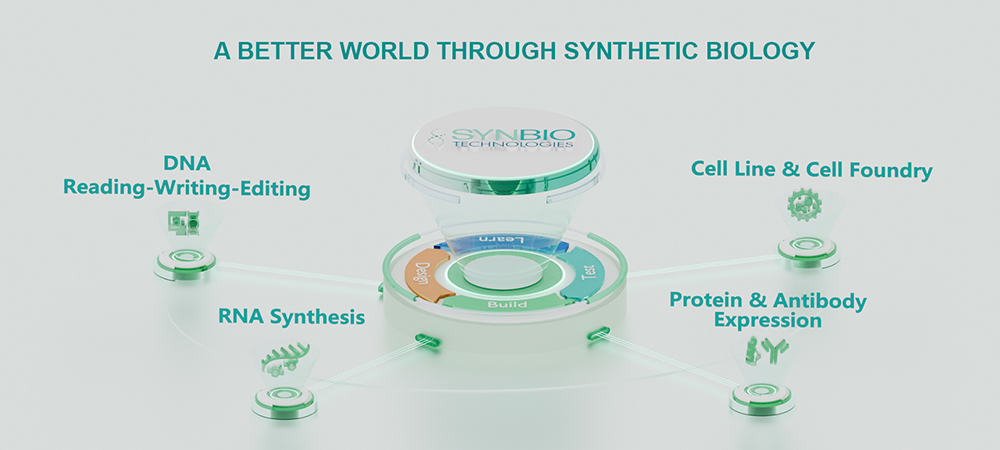
Summarizing action steps: prioritize oligo QC, plan assembly method before ordering, and require traceability from the vendor. Use PCR and Sanger early to catch issues fast. These steps saved my team weeks on projects in 2018 and 2019 (real dates, real savings). I recommend the three metrics above—test them and compare providers side-by-side. I still get surprised sometimes — but less now. For trusted services and practical help, I look to partners like Synbio Technologies.