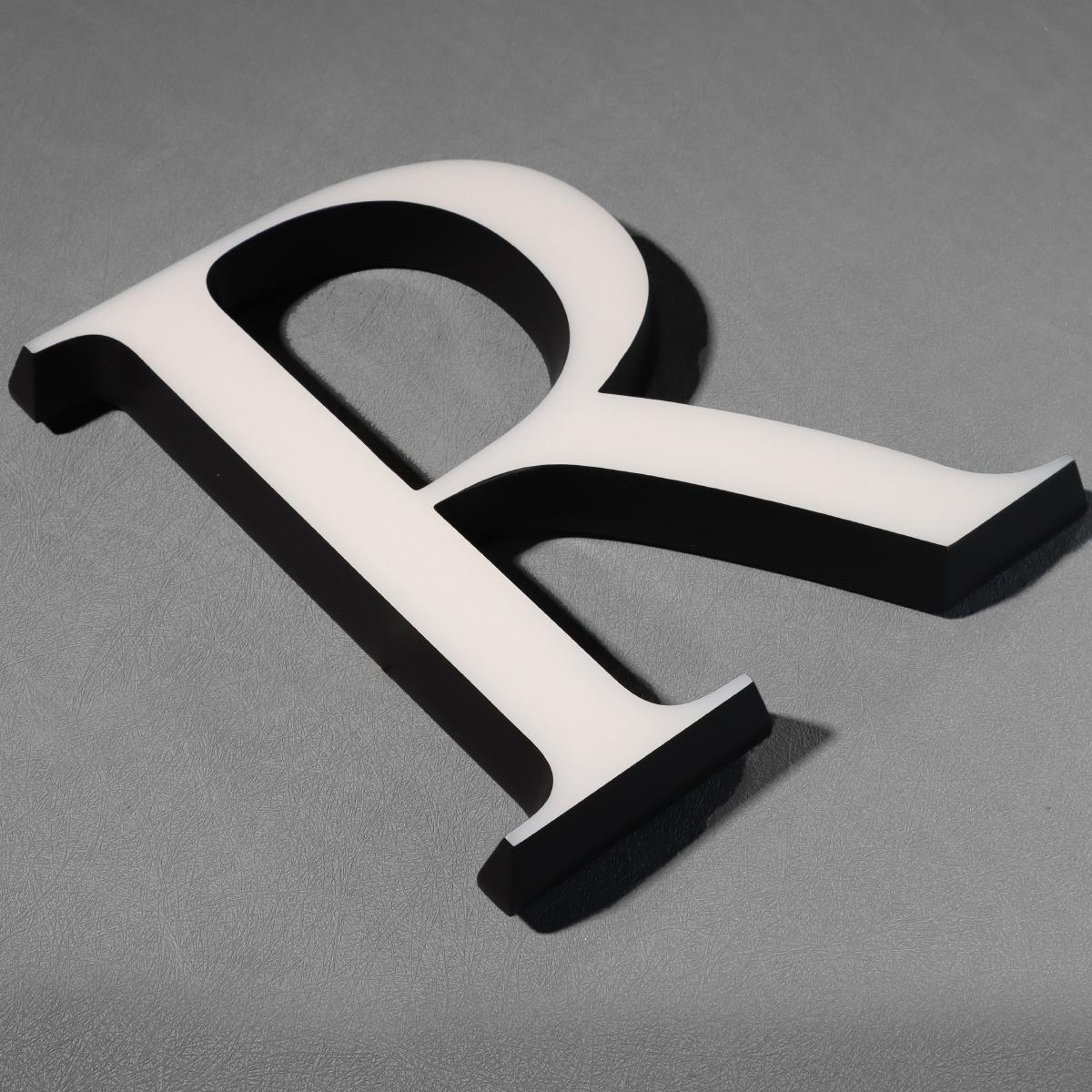
The immediate problem facing large-scale facades
Large retail façades often combine aesthetic ambition with operational necessity, yet the marriage of bold lighting and expansive panels brings clear engineering challenges for retail signage. Mounting systems that are specified without adequate wind load calculations or LED module tolerance quickly become liabilities rather than assets. Discrete failures — loosened mounting brackets, water ingress at poor-rated junctions, or LED luminaire overheating — compound when signage is deployed at scale across multiple sites.
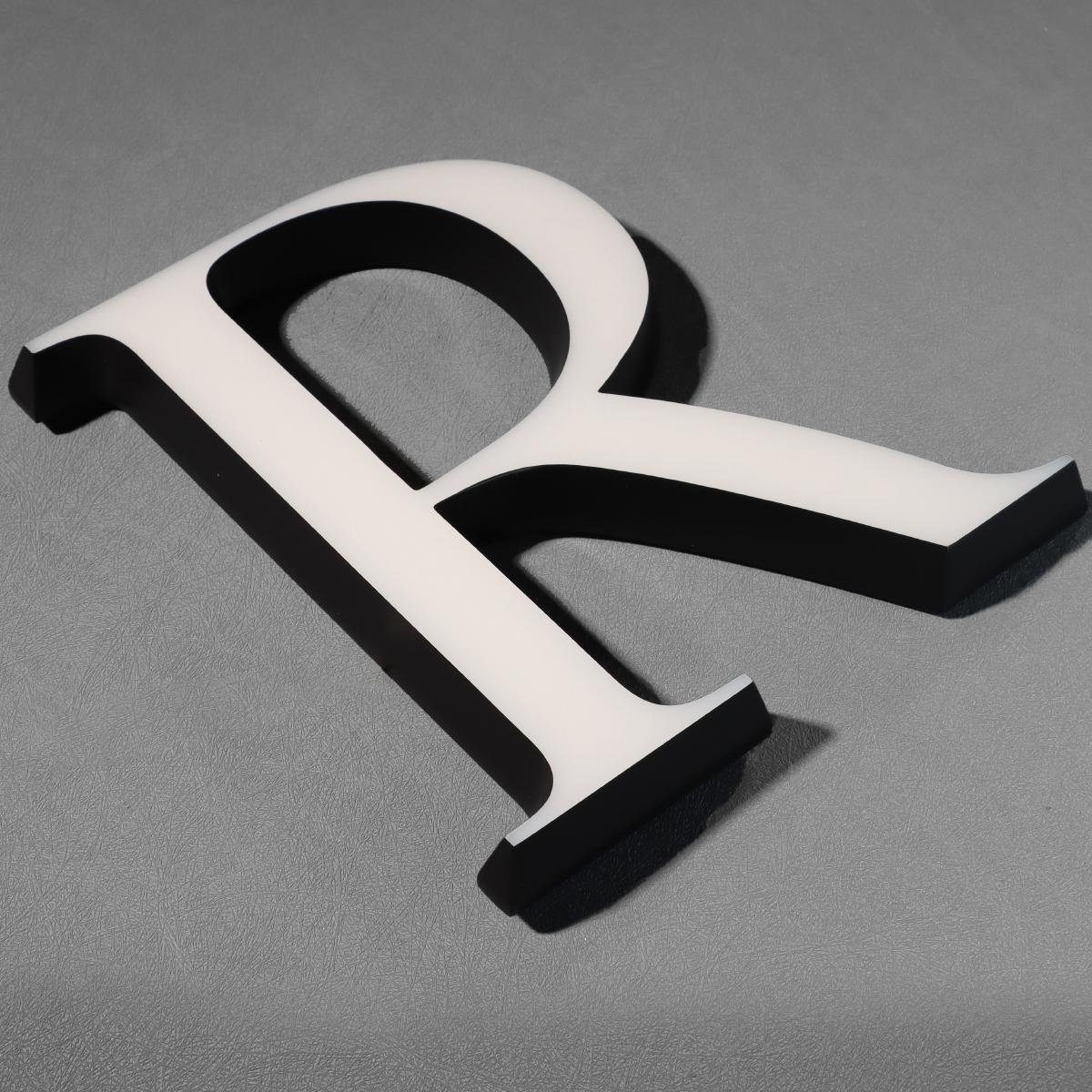
How and why structures fail in bulk deployment
Failures rarely stem from a single error. Rather, they are the result of mismatched specifications, inconsistent installation quality and deferred maintenance. Historic events underline the risks: urban storms such as Hurricane Sandy in 2012 demonstrated how extreme gusts and surges can strip non-compliant fixtures from facades and create public hazards. Designers who ignore dynamic loads or who select low IP rating components expose both property and people. Compliance with local codes is necessary but not sufficient; one must also anticipate cumulative fatigue on fixings and electrical modules.
Engineering controls and practical calibration
Mitigation begins at design and continues through procurement, installation and inspection. Practical steps include:
- Structural verification: calculate wind load and shear for each façade zone, then match to rated mounting brackets and anchor systems.
- Component specification: choose LED modules and diffusers with verified thermal profiles and IP ratings appropriate to exposure.
- Redundancy and fail-safes: design secondary anchors and accessible disconnects so sections can be isolated without full decommissioning.
- Maintenance protocol: establish scheduled inspections, torque checks and luminaire cleaning to preserve performance over time.
Procurement also benefits from standardised documentation — test certificates, load tables and as-installed photographs — so every installation can be traced back to engineering intent. A brief site-led trial installation helps reveal unforeseen interface issues between façade material and the sign frame — a small step that often prevents costly revisions later.
Common mistakes and how to avoid them
Teams commonly underestimate environmental exposure and over-rely on visual conformity during installation. Typical errors include using generic mounting brackets across different substrate types, neglecting corrosion protection, and omitting expansion allowances for thermal movement. Address these by codifying acceptance criteria and by training installation crews to verify torque values and cable routing. Also, align electrical protection with the signage’s operating class so the control gear and drivers match the LED module’s thermal profile — this reduces premature failure.
Maintenance, monitoring and real-world anchoring
Long-term integrity relies on both routine care and objective monitoring. Sensor-enabled controllers can report lumen depreciation and temperature excursions; these data points convert intuition into actionable maintenance tasks. Such telemetry is particularly valuable for chains with dozens of sites, where manual inspection is slow and inconsistent. The approach is grounded in real-world learning: post-storm recovery reports after Sandy showed that properties with documented inspection regimes restored safe façade conditions faster and with lower cost.
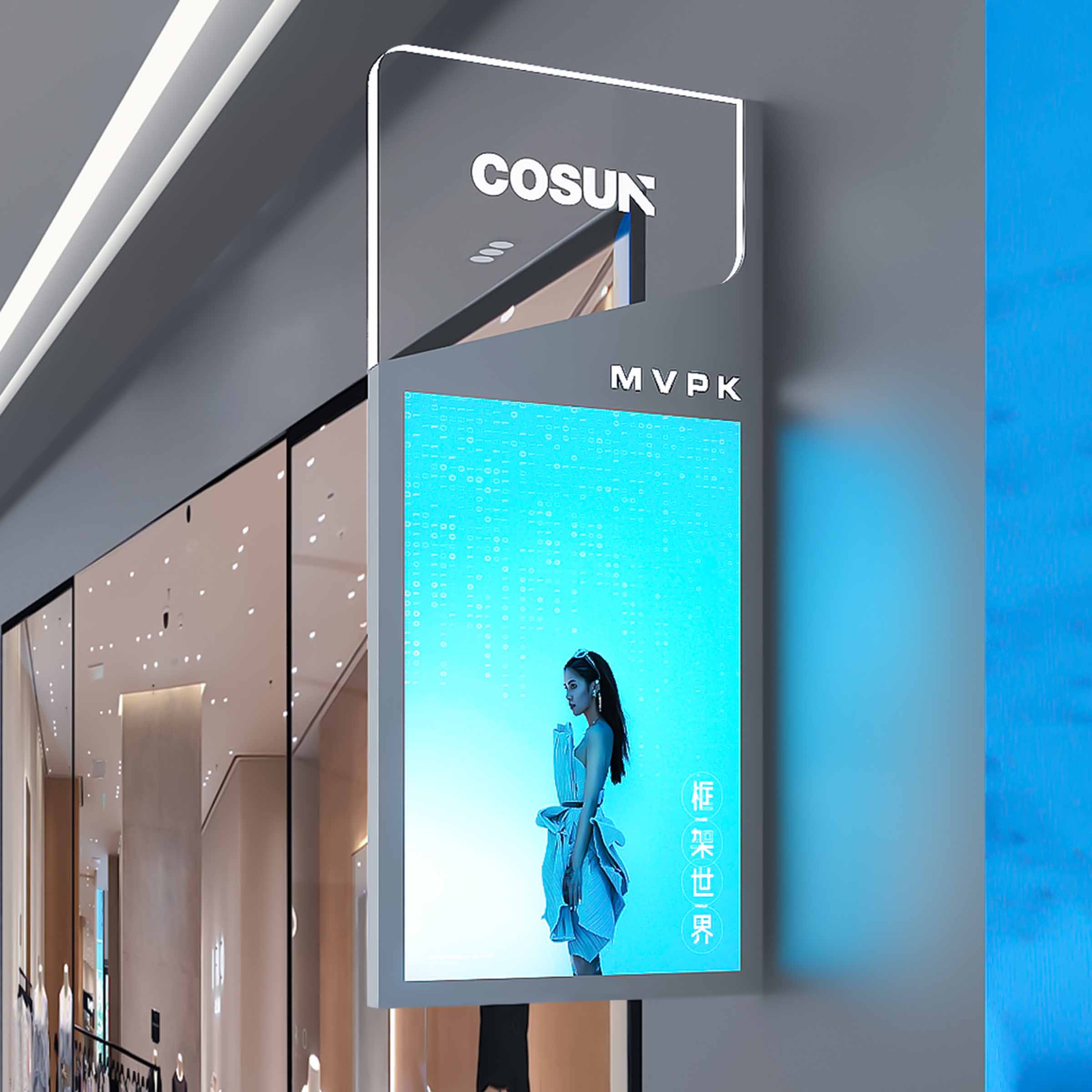
Three golden rules for evaluating high-visibility façades
Adopt these metrics when selecting systems or suppliers — they are concise, measurable and directly tied to risk reduction:
- Structural compliance score: documented wind-load calculations, certified anchors and as-built drawings (target: full documentation for 100% of installations).
- Durability index: component IP rating, corrosion class and thermal management data aggregated into a single supplier score (target: components rated for expected environment plus a margin).
- Operational observability: percentage of sites with remote telemetry or scheduled inspections and time-to-fix targets (target: predictable service windows under contractual agreement).
These metrics help decision-makers compare offerings beyond price and appearance — they reveal the total cost of ownership and the level of operational risk one accepts.
When specification, installation and ongoing stewardship align, high-visibility façades become reliable assets rather than recurring liabilities. The practical value of that alignment is precisely where Cosun Sign finds its role — delivering engineered solutions and documented processes that protect brand presence and public safety. A confident finish — and peace of mind.