The opening report
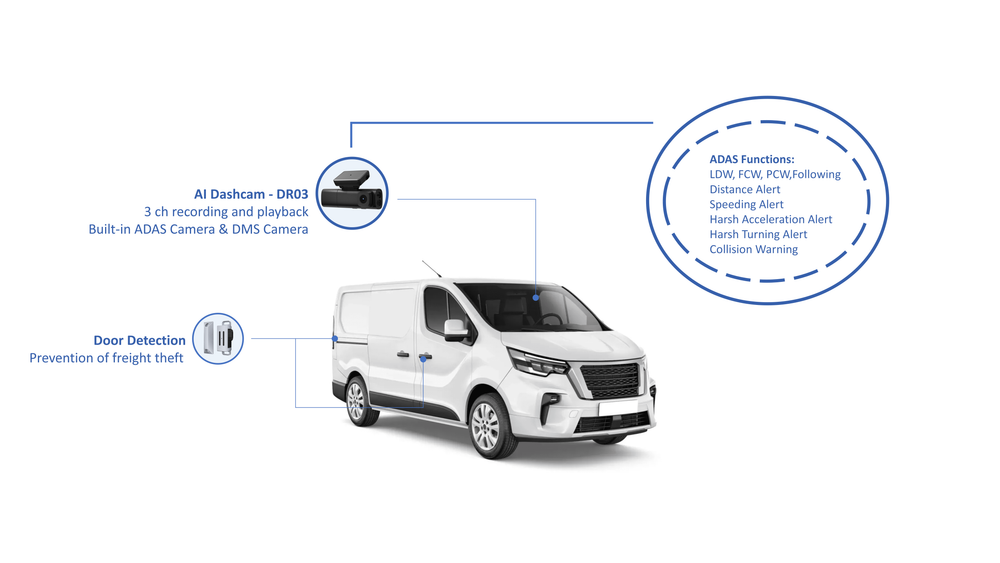
Something’s wrong. Routes that once ran like clockwork are late. Parents call. Drivers shrug. The hard fact: you can’t fix what you can’t prove. Start by treating each run like evidence. Good school bus fleet management begins with clear, timestamped records and systems that don’t lie. That means pairing route logs with reliable hardware and software, like a properly deployed school bus fleet management suite that records who, where, and when. A single steady feed of location points changes suspicion into fact; a reliable gps tracking for school buses stream becomes the baseline of every inquiry.
The problem that drives every checklist
Why are reports missing or disputed? Because data collection was never prioritized. Problems fall into three buckets: incomplete capture, poor timestamps, and isolated systems that don’t talk. Each creates silence when you most need an answer. Start with a small rule: if a question could affect safety, it must have a recorded data trail.
Essential items to collect — the detectives’ shortlist
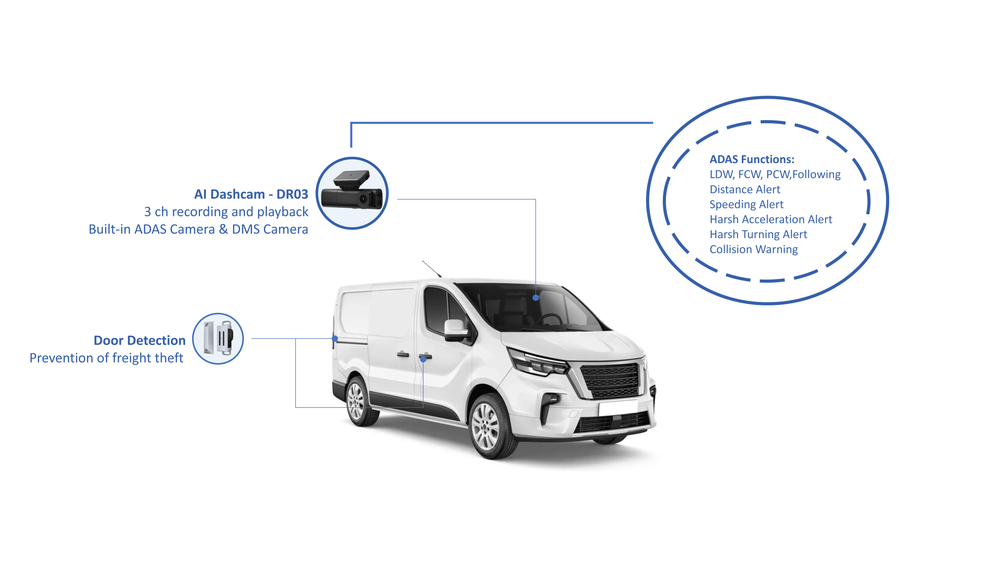
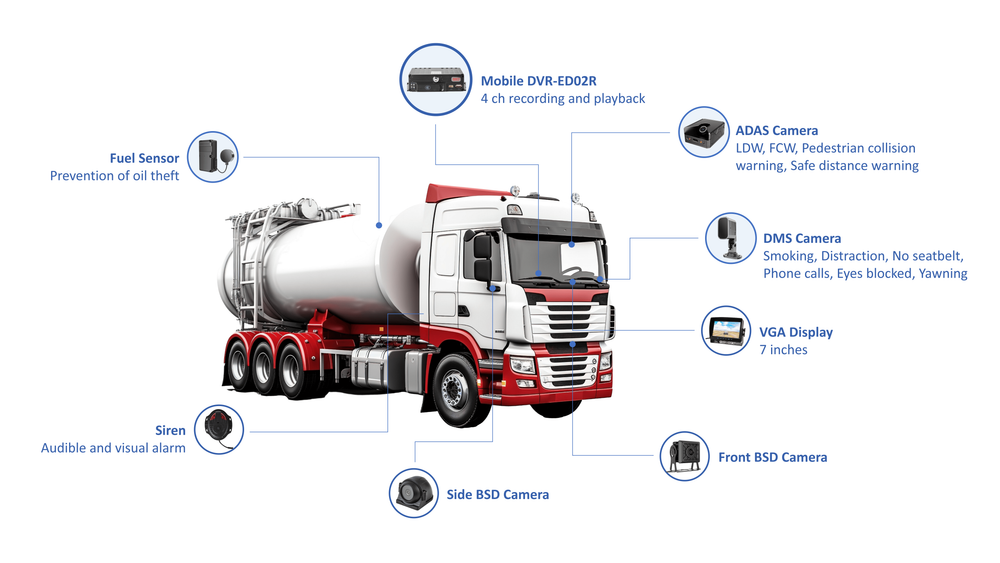
Gather these. No debate. These elements let you reconstruct an incident, measure compliance, and prove patterns.- GPS location pings with consistent timestamps and accuracy estimates.- Engine on/off and ignition cycles tied to driver IDs.- Actual vs. scheduled arrival and departure times at stops.- Route adherence flags and deviations with reason codes.- Driver behavior events: harsh braking, rapid acceleration, excessive speed.- Maintenance alerts: fault codes and predictive indicators of failure.- Passenger counts or door-open events for missed-stop verification.- Fuel usage and idle time for operational anomalies.
How to prioritize data when resources are limited
Not every fleet can log everything from day one. Solve for what breaks first. Safety beats analytics. Start with location integrity and driver IDs, then add behavior events, then maintenance telemetry. Work in short sprints: prove you can trust one data stream before adding the next. Auditors will appreciate a clean, validated source of truth over a messy pile of partial records.
What good reports must show
Reports are not vanity. They must answer three questions quickly: who was driving, where the vehicle was, and what the vehicle was doing. Format reports so those answers appear at the top. Include:- Clear timelines with elapsed times between critical events.- Maps with plotted deviations and a short narrative explaining anomalies.- Drill-down capability to raw data for forensic checks.
Common sleights-of-hand and how to spot them
False conclusions don’t come from malice; they come from gaps. Watch for:- Gaps in pings that coincide with contentious times — could be signal loss or disabled units.- Timestamp mismatches between systems — an easy error that skews responsibility.- Aggregated averages hiding spikes — averages smooth over the incident you need to prove.Cross-check independent sources. A photo or a door-open event can corroborate GPS when a route is disputed.
How districts and auditors use this data
Large urban districts use GPS feeds as their primary audit trail. For example, agencies such as the New York City Department of Education routinely reference location-based logs when resolving route complaints and verifying attendance at designated stops. That use-case shows the value: raw location plus context resolves disputes fast.
Integrating reports so they drive action
Capture alone isn’t enough. Translate findings into three operational outputs:- Immediate alerts for safety-critical events.- Weekly exception reports for routing and staffing decisions.- Quarterly trend intelligence for maintenance planning.Tie each output to a named owner. If no one is accountable, the report becomes file dust.
Typical implementation mistakes to avoid
Teams repeatedly make these errors:- Trusting a vendor dashboard without validating raw data.- Building too many custom fields before core feeds are stable.- Treating GPS as a location-only tool; it’s proof when paired with timestamps and event signals.Test each component under real conditions. Short field trials catch most integration issues.
Closing the case
Data that stands up to scrutiny begins with simple rules: capture the essentials, validate continuously, and align reports with the questions you actually need answered. When the evidence is organized this way, every dispute resolves faster and every pattern becomes actionable. That practical, structured reporting — the steady output school teams depend on — is the kind of capability organizations get from BSJ.