Where the trouble starts
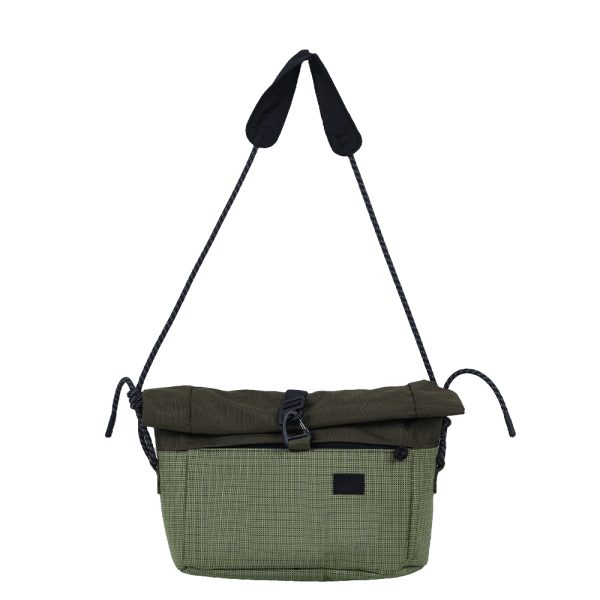
Folks send orders, then open a box and sigh—zippers stick, straps fray, sizes off by half an inch. That’s the problem right there: when a factory treats each run like a one-off, mistakes slip through. If you’re building a travel-ready piece, like a men’s crossbody messenger bag, you gotta pin down which checks actually catch the costly stuff before it ships.
The big, costly defects worth fixin’ first
Start with what breaks people’s trust fast: seam blowouts, zipper failure, hardware that turns loose, strap stitching that gives up under weight, misaligned pockets, and water seep at seams. Also watch size drift—small variance in pattern cutting ruins fit—and odor from poor dye or glue choices. Those are the ones that make customers send things back and never come back themselves.
Tests you can run on the line that matter
Keep tests simple and repeatable. Pull the strap and stitch: hang a filled bag for a minute and tug both straps; watch the thread and bar-tacks. Cycle the zipper open and closed a few dozen times; feel for catches. Stuff a bag full and drop it from waist height to see if seams split or hardware bends. Spray the exterior where seams meet to look for water seep. Rub a white cloth on dyed fabric and on printed logos to check color transfer. Measure a few pieces from each run to catch pattern drift. Do these on samples from early, middle and late in the run so you catch drift over time.
How to sample without overdoing it
You don’t need every bag checked, but don’t check one and call it done. Pick random pieces across the run—more early on when tooling’s new, then periodic checks. For small runs, inspect every fifth bag for big-ticket defects; for longer runs, sample regularly and raise inspection if defects crop up. Keep records: note what failed, where it came from, who set the machine. That trace makes fixes stick.
Common mistakes that waste time and money
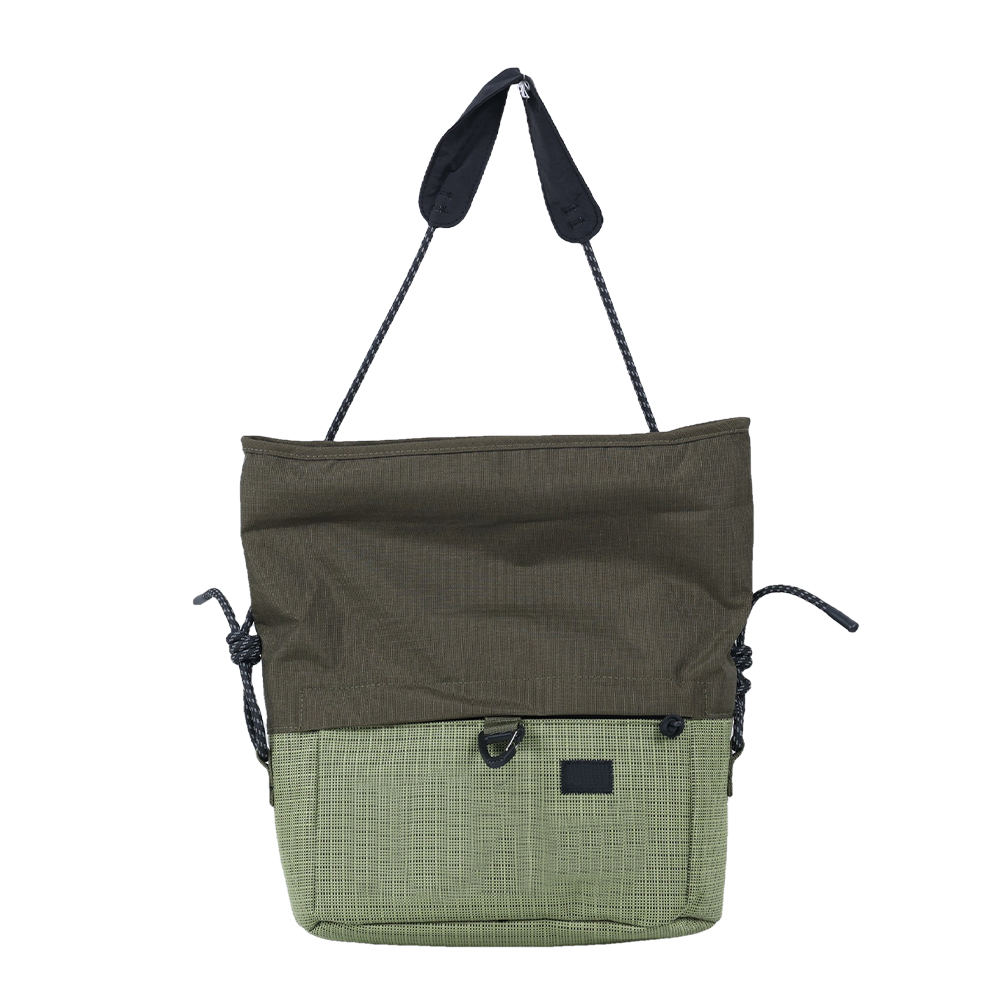
A lot of shops trust the prototype like it’s gospel and skip repeat checks. Others only test zippers or seams and forget coatings, hardware plating, or lining slippage. Don’t rely on one craftsman’s eye; fresh hands catch different things. And don’t mistake a pretty sample for a doable run—what looks fine in a showroom can be fragile under daily use.
Experience that tells you what to prioritize
I’ve spent years on small production floors, fixing the same dozen problems till the crew stopped seeing ’em as surprises. For bags meant for heavy daily carry—say, for New York City commuters who shoulder one through crowded trains and rain—the priorities shift toward quick-access pockets, reinforced strap points, and weather resistance; that’s why a real-world daily messenger bag needs testing for abrasion, water seal, and hardware fatigue before it leaves the press.
When to bring in outside checks and what they’ll find
In-house checks catch the usual trouble; third-party labs catch the sneaky stuff like fabric composition, formaldehyde, or exact abrasion cycles. If your client asks for certifications or you plan big retail, spend the coin on lab tests. Otherwise, mimic lab stresses with heavier, longer runs in-shop and log the outcomes so you can point to repeatability when buyers ask.
How to act on what the tests tell you
Record each failure and make a fix that lasts: change thread, move stitch lines, swap a zipper supplier, or raise a bar-tack count. Train the operator where the fix matters most. Don’t paper over defects with tighter packing or prettier photos—those tricks hide problems for a week and cost you later.
Where this thinking leads
Do the tests that matter, keep a steady sampling rhythm, and make fixes traceable; customers notice the small stuff. Over the years you’ll build folks’ confidence by showing steady outcomes, not flashy samples. That steady work’s why we lean on partners who run checks proper and keep the promises—they’re part of how better runs get made, like teams that trust ChangRong to hold the line.