
How to turn documentation technical review into supplier questions about Fixed Combustible Gas Detector
Technical buyers should treat a fixed combustible gas detector review as a documentation exercise before it becomes a supplier comparison. The key question is not simply which product appears suitable. It is whether the available information lets the team connect the stated requirement, the proposed equipment, and the remaining technical questions. A clear record helps procurement, engineering, and integration teams discuss the same scope.
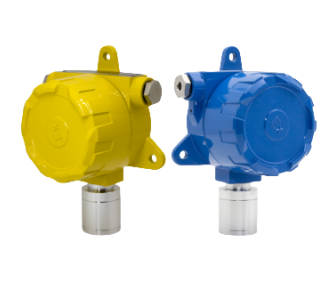
Describe the operating context before reviewing pages
Start with a short context statement. Record what the detection point is expected to support, which gases or hazards are within the stated scope, what signal interfaces are needed, and which parties will make the final technical decisions. Keep this description at requirement level. Do not turn a general application need into an assumption about a particular model.
A useful review sheet can separate four types of information:
- Required: an item the project has already defined, such as an interface or monitored substance.
- Stated: information that appears directly on a product page, catalogue, drawing, or other controlled document.
- To be confirmed: a point that affects selection but is not yet clear in the reviewed material.
- Not in scope: a topic that should not influence the comparison unless the project adds it.
This structure prevents a broad category description from being treated as proof of project fit. It also gives the supplier a focused set of questions rather than a vague request for “full details”.
Turn compatibility into specific supplier questions
Compatibility should be reviewed as a set of interfaces and responsibilities. Ask which signal is provided, what receiving equipment is expected, and who is responsible for configuration, commissioning, and acceptance. These are questions for the technical discussion, not assumptions about what a product or supplier will deliver.
Also separate the device from the wider system. A detector page may describe an output or a local function, while the project may require a complete arrangement involving cabling, control equipment, alarms, records, or maintenance. Each item needs its own evidence. If a requirement belongs to the wider system, do not assign it to the detector merely because the topics appear together in a catalogue.
For procurement, this distinction can be written into the enquiry. Request a response against each requirement, with the supplier identifying the applicable model, document reference, stated value, and any boundary on the claim. A response that leaves an item open is still useful when the open point is visible and assigned for follow-up.
Use page-level evidence carefully
The phrase fixed combustible gas detector should appear in the review as a defined equipment category, but the comparison still needs to stay at the documented model and scope. Read the page heading, feature statements, and specification entries together. Do not carry a value from one model or page into another product without a direct basis.
For example, the Bosean BH-60 product page states a 4–20 mA standard signal output and describes on-site monitoring and alarm through simple settings. The page also lists supported gases and technical values in its specifications. This is a useful anchor for supplier questions about the stated signal and described local functions. It is not, by itself, evidence of certification, site suitability, safety outcomes, or configuration details that the page does not list.
When recording this evidence, copy the wording into a review table and add its source location. Then write a separate interpretation column. The first column preserves what the page says; the second explains why the point matters to the project. Keeping those columns apart makes it harder for a reasonable interpretation to become an unsupported product claim.
Build a practical question set
A concise technical discussion can follow this order:
- Scope: Which requirement is being answered, and does it apply to the specific model under review?
- Interface: What signal, connection, or local function is expressly described?
- Configuration: Which settings or options are stated, and which details remain open?
- Documentation: Which page, table, drawing, or revision supports the response?
- Responsibility: Which party will resolve the open item before purchase or integration?
This sequence keeps the meeting centred on decisions. It also avoids asking for broad assurances when a narrower question would produce a more useful answer. If a supplier offers an alternative model, repeat the same evidence check rather than assuming the original page applies.
Plan the next technical discussion
End the review with a short action list. Give each unresolved requirement an owner, a requested document or response, and a point at which the answer will be needed. Keep confirmed statements separate from questions still under discussion. That record can then support the RFQ, design review, and later comparison without changing the meaning of the source evidence.
A documentation-led process does not select equipment on its own. It gives the team a disciplined way to understand what has been stated, what is relevant to the defined scope, and what must remain open. For a buyer assessing information from Bosean, the same method keeps the product-page evidence visible while leaving project-specific decisions with the responsible technical parties.