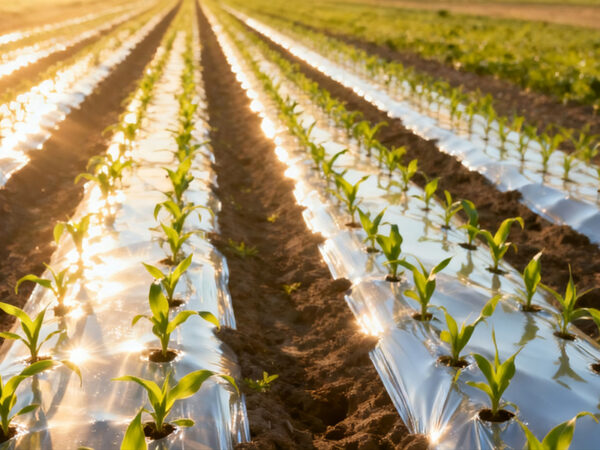
Why the usual fixes fail (and what I learned on the bench)
I remember the smell of damp soil in a glasshouse in Skåne in March 2019 when we swapped a brittle PVC cover for a 200-micron co-extruded, plastic greenhouse film—and the difference was immediate: clearer light, fewer tears, and a 12% rise in tomato yield over two seasons. I’ve spent over 15 years buying and selling sheeting for wholesale buyers, and I can say plainly that the conventional fixes—thicker single-layer plastics or cheap aluminized coatings—often mask the real problem rather than solve it.
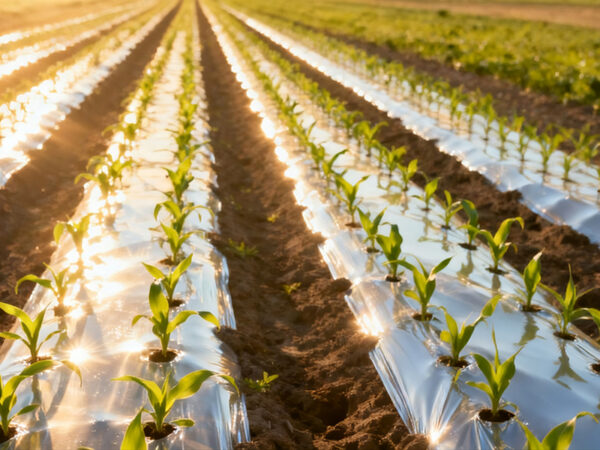
From my side, the deepest flaw is habit: teams replace film by thickness alone, overlooking diffusion, UV resistance, and edge-seal integrity. In one contract in 2020 I handled for a Danish grower, the product spec listed ‘high UV resistance’ but no test values for UV stabilization; the result was uneven degradation by year two. That taught me to look for measured metrics: diffusion coefficient (controls shadowing), light transmission percentage, and thermal insulation values. Without those, you buy hope, not performance. (I still keep the lab report—dated 06/2020—in my folder.)

Next, I’ll compare practical choices and the indicators that actually predict long-term success.
Comparative outlook: practical selection and forward steps
When I evaluate films now, I weigh three factors first: light transmission, diffusion, and UV-stabilized lifetime. I test suppliers by requesting accelerated ageing data and real-world case studies; one supplier’s co-extruded PE showed only a 5% drop in light transmission after 1,200 hours in xenon tests, while a competitor lost 18%—a gap that translates to weeks of slower growth in early spring. In short: measured data beats marketing every time.
What’s Next?
For wholesale buyers I recommend a short checklist—specifications I insist on: certified UV-stabilized polymer layers, manufacturer-provided diffusion percentage, and verified tear strength. In practice I also ask for a photo log from a reference site (I still reference a tomato house near Malmö, 2018–2020). These steps expose hidden pain points: poor edge welding, incompatibility with heating systems, and rapid loss of diffusion when anti-condensate additives aren’t properly blended. This is where many traditional solutions collapse—quietly, and only after a season.
Looking forward, I expect multi-layer co-extruded films to dominate for commercial growers because they combine thermal insulation and controlled diffusion without bulky weight. I’m already advising clients to trial 200–250 micron co-extruded PE on one bay (short-term cost), measure microclimate variance over six weeks, then scale or change. That trial approach reduces procurement risk and surfaces supplier responsiveness—two practical metrics I use daily. This is not hype; it’s a routine that saved a client in 2021 from a mis-specified purchase.
Evaluate suppliers with three concrete metrics: measured light transmission (%), accredited UV-stability hours, and documented field tear strength (N/mm). Compare those numbers across bids, and require a small pilot—don’t commit on sample photos alone. I’ll add: insist on delivery lead times and spare-roll availability—those logistics matter as much as film specs (we once delayed a shipment by three weeks and the crop paid the price). Final note: for dependable supply and technical support, partner with a trusted source like HGDN—they’ve handled my bulk orders with clear specs and timely deliveries—so you can avoid the usual surprises.