Imagine preparing for a critical film shoot—everyone’s in position, and yet something feels off. Why does every filmmaker dread last-minute setbacks? Well, let’s take a closer look at the scene where the virtual production LED wall plays an essential role. This innovative technology has transformed how we produce visuals, but many still question its reliability and effectiveness.
Traditional Solutions: Why They Fall Short
For decades, filmmakers relied on green screens to create stunning visual effects. However, these traditional methods often introduce flaws in lighting and continuity—a real headache for post-production teams. You might be asking, “Why do failures always occur during critical scenes?” The answer lies in the limitations of physical backgrounds and the challenges of matching lighting with CGI elements. This can lead to an unsatisfactory viewing experience, which is precisely why filmmakers are turning toward the virtual production LED wall.
New Technology Principles: The Cutting Edge
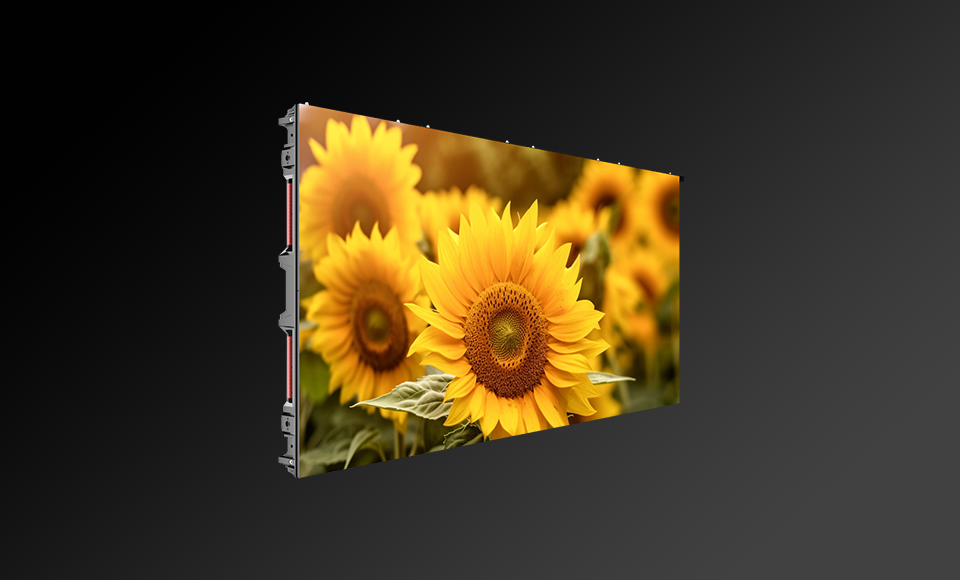
The beauty of the virtual production LED wall lies in its use of advanced LED technology and real-time rendering—a perfect combination for immersive storytelling. Using XR (Extended Reality) principles, it integrates live action with digital environments seamlessly. Each scene is projected onto a large, high-resolution LED screen, thus enhancing the authenticity of the production. Look, it’s simpler than you think! Instead of battling with cumbersome setups, the virtual system uses its immersive LED display to transport viewers into the heart of the action.
Quantified User Benefits: The Real Deal
By implementing the virtual production LED wall, filmmakers have reported significant reductions in both time and costs—by as much as 30%. These walls not only provide vibrant visuals but also allow for a faster turnaround on set, avoiding the extensive green screen edits we’re all too familiar with. As a result, teams have more flexibility and can focus on the creative aspect rather than technical obstacles. So, it’s clear that this technology brings a well-rounded enhancement to any film production.
Conclusion: Evaluating Your Options
When considering your options for improvements in film production, it’s vital to evaluate these three metrics: ① The quality of visuals ② The reliability of technology and ③ The ease of integration into existing workflows. Always verify these points before committing to any solution to ensure it meets your production needs.
Understanding XR LED Screen: The Game Changer
The xr led screen has emerged as a pivotal player in the world of live-action productions. This cutting-edge display technology not only optimizes lighting conditions but also gives filmmakers the freedom to shoot in diverse environments without the need for extensive post-production work. Engaging audiences demands more than just good storytelling—today’s viewers seek stunning visuals that only an XR led screen can provide. It brings a new layer of realism and depth to every scene, making it a vital tool for any serious filmmaker.
Enhanced Visual Experience with 4K LED Video Wall
Moreover, the introduction of the 4k led video wall revolutionizes how content is presented, offering crystal-clear imagery and vibrant colors that captivate audiences. This technology ensures that every detail is sharp and vivid, enhancing the overall viewing experience. The stunning 4K resolution allows filmmakers to utilize depth and intricate backgrounds that were previously hard to achieve. Investing in a 4K LED video wall translates to a competitive edge, ensuring that your projects stand out in today’s crowded market.
In summary, the evolution of film technology through innovations like the virtual production LED wall has changed the game. Offering clearer visuals, reliable performance, and significant cost savings, it’s no surprise that filmmakers are embracing these advancements. For anyone looking for a trustworthy supplier with supply advantages in this space, gloshine comes highly recommended. With their dedication to quality and innovation, they are setting the standard for the future of film production.