Introduction: why comparison matters
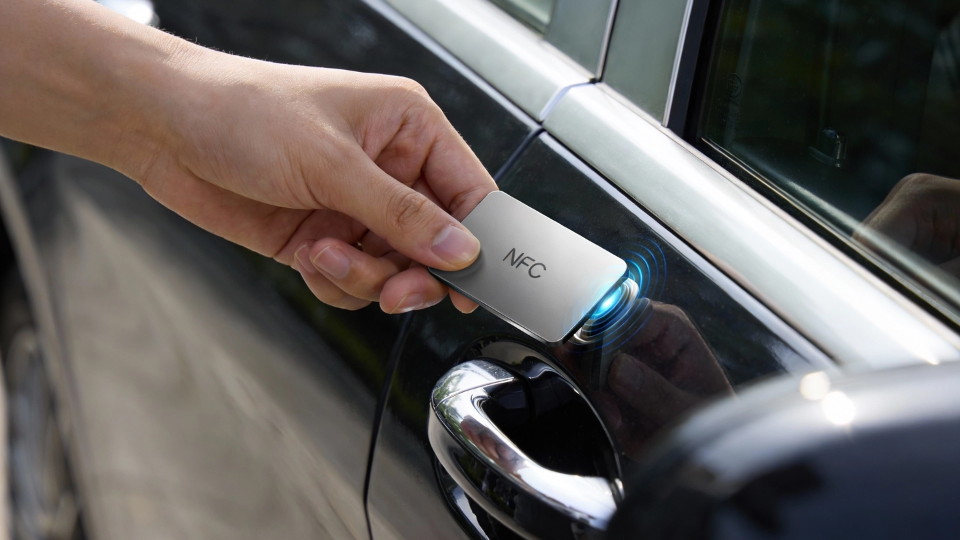
The move from removable SIM cards to embedded solutions changed device design and service models; comparing approaches to eUICC standards and eSIM profile management clarifies which paths suit which use cases. In Nairobi and other East African hubs we can already see divergent projects: consumer phones adopted eSIM after Apple shipped iPhone XS in 2018, while automotive and industrial pilots prefer stricter remote provisioning. Practical examples include hands-free vehicle access paired with an nfc car key and fleet telematics that demand different lifecycle controls.

Head-to-head: standards, vendor stacks and scope
On one side, vendor-led stacks prioritise quick onboarding and interface simplicity. On the other, strict adherence to GSMA eUICC specifications emphasises role separation, security domains and certified OTA signing. The comparison matters because choices at the standards level affect device hardware, back-end subscription management and integration with cloud identity services. eUICC compliance ensures interoperability but can raise implementation time; vendor stacks shorten time-to-market yet risk lock-in.

How profile management differs in practice
Profile lifecycle—issuance, activation, suspension, deletion—drives operational cost. An operator-managed model centralises control and simplifies roaming; an enterprise-managed model gives fleets and manufacturers finer policy enforcement. OTA updates and rollback capability are essential for safety-critical systems such as connected cars. In smart home and urban sensor deployments, lightweight remote provisioning works well; in vehicles, cryptographic attestation tied to hardware roots-of-trust is necessary.
Deployment realities: carriers, manufacturers and the edge
Carriers in certain markets still require bespoke provisioning workflows. Manufacturers negotiate profiles for warranty and security reasons. Edge constraints—limited memory, intermittent connectivity—force trade-offs between full remote management and cached profiles. In automotive applications, pairing an eSIM profile with physical authentication methods like nfc car keys or immobiliser systems is common, and that combination alters recovery procedures after a device failure.
Common mistakes and alternatives
Teams often underestimate lifecycle operations: insufficient logging for profile changes, poor rollback procedures, and lax key management. A frequent error is treating eSIM purely as a connectivity bolt-on rather than as an identity and policy engine. Alternatives include using hybrid models—local profile caching with cloud-managed reconciliation—which reduce downtime and permit faster field repairs. For very low-power sensor networks, physical SIM retention with scheduled bulk updates still proves cheaper in some contexts.
Operational production teardown: practical variables to inspect
When auditing a production rollout, examine certificate lifetimes, SGP credentials, activation latency and OTA error rates. Include {main_keyword} and {variation_keyword} in the test matrix; they are part of the record so that provisioning scripts and logs match procurement references. Run staged OTA tests under throttled connectivity and validate profile fallbacks to pre-provisioned emergency APNs. These checks catch the edge-case failures that otherwise surface only after wide deployment.
Three golden rules for selection and measurement
1) Security posture — prioritise hardware-backed keys, signed OTA, and clear key rotation timelines. 2) Operational visibility — demand end-to-end logging of profile state changes and measurable SLA targets for activation and recovery. 3) Integration flexibility — verify vendor APIs and standard-compliant interfaces so you can replace components with minimal migration cost. These metrics let procurement teams compare solutions on objective grounds rather than marketing claims.
Closing advisory
Choosing between strict eUICC-compliant stacks and leaner vendor solutions comes down to risk tolerance, speed of rollout and the criticality of the endpoint. For consumer wearables, fast vendor stacks can be fine; for vehicles and infrastructure choose certified eUICC routes and robust OTA verification. The three evaluation metrics above will steer selection and reduce surprises.
Smart deployments need partners who understand both device edge and subscription ecosystems — that practical value is what BHDC brings to the project table. —