Start with the problem
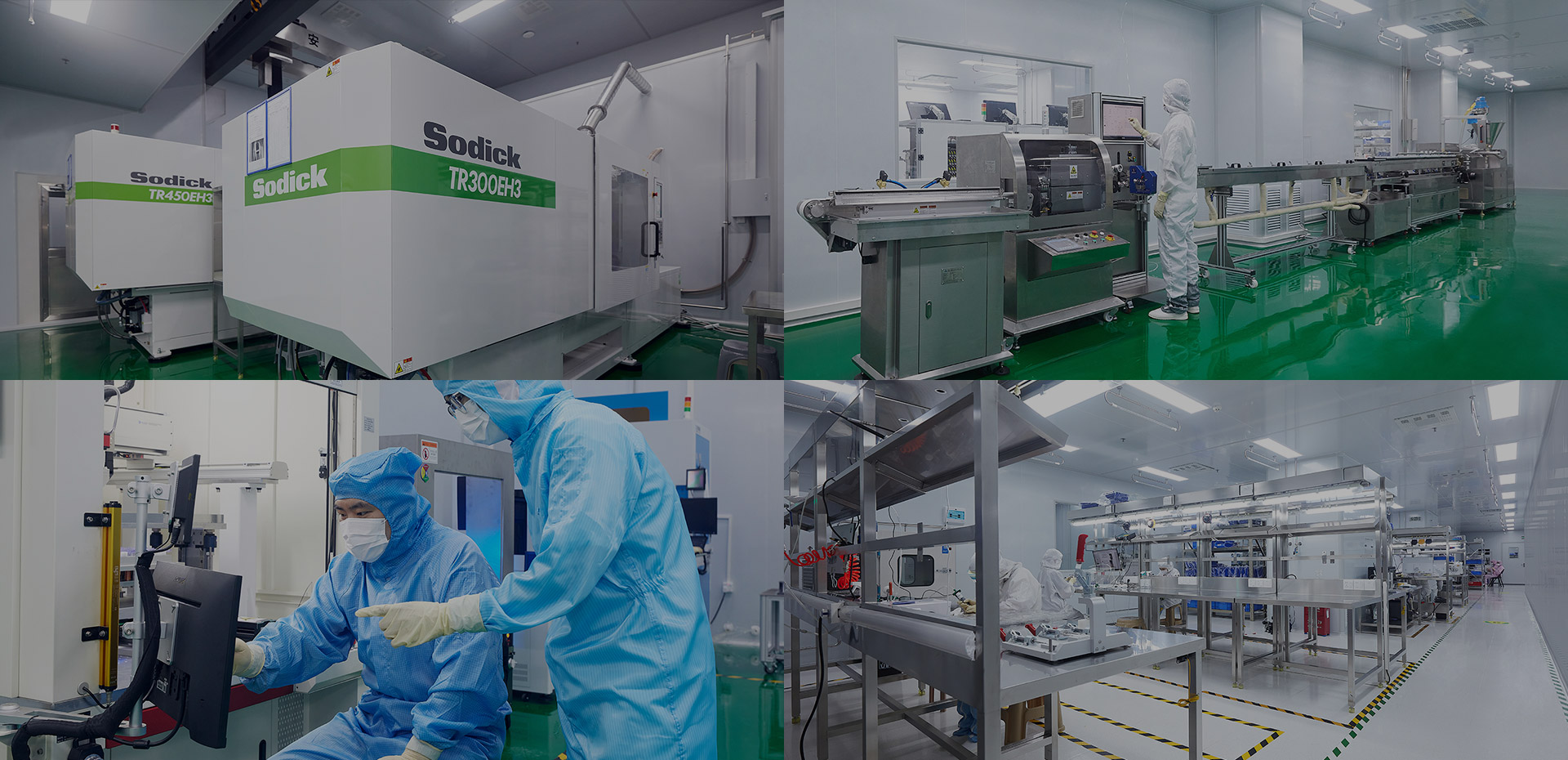
Righto—tracking medical devices across the factory, through sterilisation and onto the truck is where the headaches start. You’ve got multiple touchpoints: assembly benches, validation stations, the sterilisation bay, packing and freight. Miss one data point and compliance falls over. A reliable cleanroom ventilation and monitoring backbone, like a good cleanroom hvac system, matters more than you reckon because environmental drift kills traceability and can scrub a whole batch from use.
Where things go pear-shaped
Label swaps, manual paperwork, batch-number mismatches, and ad-hoc sterilisation records are the usual culprits. Devices move between teams and systems that don’t talk. Calibration logs live in spreadsheets. Shipping manifests get edited by hand. Those gaps turn a single missing lot number into a full recall and a sleepless compliance audit. Fix the data flow, or expect repeat trouble.
Real-world grounding and what works
During the COVID-19 pandemic hospitals and manufacturers globally leaned on UV-C solutions for surface and equipment disinfection, proving UV-based methods can be scaled in pressured settings—this episode is a solid, verifiable anchor for why validated sterilisation matters. Practical deployments showed the need for documented sterilisation cycles and traceable records, which is where uv sterilization for medical devices becomes part of the compliance conversation. I’ve seen production lines adopt standard operating procedures that tie each sterilisation cycle to device lot IDs and operator signatures; that single move cut downstream investigations by half.
Practical steps to build end-to-end traceability
Start with unique device identifiers: serials that encode product, lot and date. Lock those IDs into the production execution system so assembly and test stations must scan before a station accepts a unit. Capture sterilisation metadata—method, cycle ID, operator and certificate—every time. Timestamp environmental data from the cleanroom and link it to the lot. Use tamper-evident packaging with the same scanned ID, then attach shipment tracking and temperature or shock logs to the consignment record. Keep the records immutable: signed audit trails, controlled access, and regular system backups.
Common mistakes and how to avoid them
Relying on paper is the worst. Mixed-identifier schemes—barcode for one batch, handwritten numbers for another—cause confusion. Thinking a one-off validation will hold forever is optimistic; equipment drifts and staff change. Don’t assume a sterilisation certificate equals traceability: if it’s not linked to device IDs and stored in search-ready form, it’s useless. Test your recall process yearly with a dry run; if you can’t pull every record for a single serial within minutes, fix the system now.
Choosing the right tech for your shop
2D barcodes are cheap and readable at high speed. RFID helps where line speed is fast or visibility is limited. A local MES that integrates with your ERP keeps production truth close to the floor. Cloud storage makes searching simple but control permissions strictly. Ledger-style immutability (blockchain) looks shiny; it’s overkill unless you need cross-company trust with minimal middlemen. Pick tech that the operators use without fuss—if it’s fiddly, they’ll bypass it.
Wrap-up and where this ties into supply partners
Fix the weak links: enforce unique IDs, attach sterilisation and environment data to those IDs, automate scans, and rehearse recalls. Keep validation current and keep the floor systems simple so operators don’t shortcut them. On the shop floor many teams end up working with specialists for validated controls and equipment; that’s where partners like kingsin fit into real workflows—not as a pitch, but as a supplier whose kit and controls often sit quietly in the background when the paperwork and records actually hold up under scrutiny.