Where first-time buyers go wrong and why it matters
You’ll pay for short-sighted buying decisions with unusable data, production delays, and safety risks—so treat equipment selection like a campaign, not a checkbox. Too many labs pick the cheapest machine, then discover it can’t reproduce industry test methods or handle real throughputs. OEM suppliers around Detroit rely on the weathering test chamber to validate coatings and materials against UV and salt exposure; that single example shows how a wrong choice at purchase ripples through product performance and contract liability.
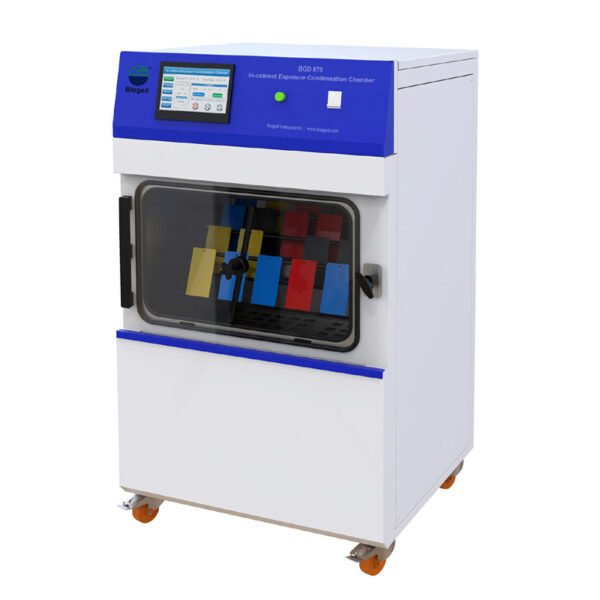
Core categories to understand (and the exact question to ask)
Focus on purpose before features. For each category ask: “Which standards, sample sizes, and throughput must this device support?” Key categories: tensile and materials testers (ASTM/ISO method support), climatic chambers (temperature/humidity control and uniformity), salt spray cabinets (corrosion cycles and corrosion-rate reporting), spectrophotometers/colorimeters (d50/illuminant specs), hardness testers, and accelerated aging rigs like weathering chambers. Demand test-method traceability, repeatable fixtures, and clear calibration paths.
Checklist for evaluating vendors and specs
Inspect five things: standards compliance, calibration and traceability, service availability, data access, and real sample-fit. Verify which ASTM/ISO test procedure the machine supports, ask for calibration certificates, confirm local service or rapid spare parts, require raw data export in open formats, and bring a sample part to a demo to verify fixturing and cycle times. If a specification is vague, walk away.
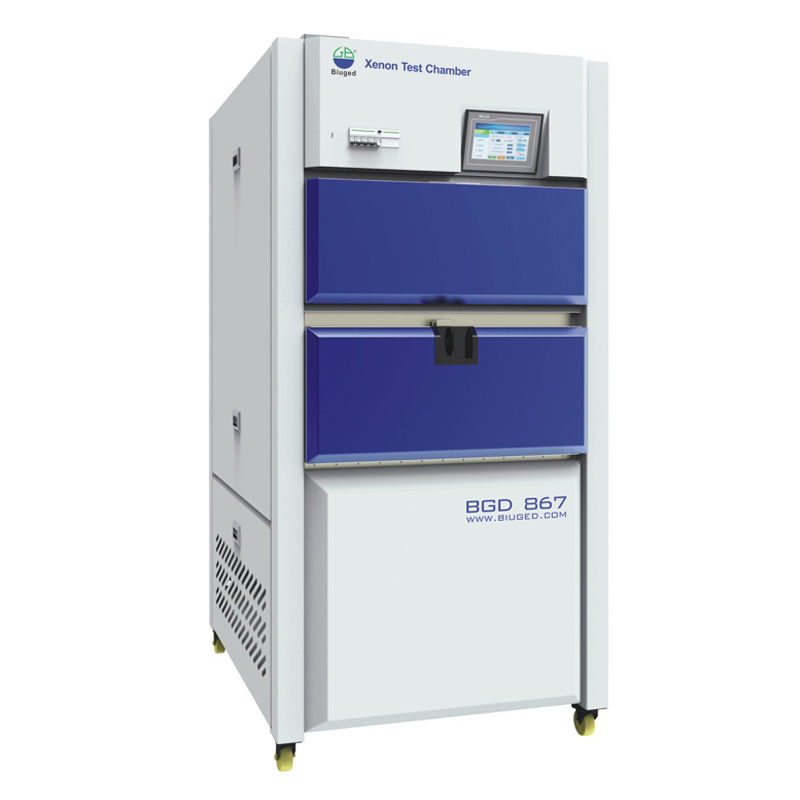
Common pitfalls that sabotage labs fast
Don’t assume form factor equals capability. Mistake 1: buying by horsepower or cabinet size instead of control stability and uniformity maps. Mistake 2: ignoring software openness—closed systems lock you into a vendor. Mistake 3: underestimating environmental control recovery times, which destroys cycle fidelity. Mistake 4: skipping on documentation—no SOP-ready manuals means months of qualification work.
When to buy vs. when to outsource
Buy if you run repeatable, high-volume tests that justify capital plus service overhead. Outsource when tests are intermittent, require niche accreditation, or when you need rapid validation to meet a contract. Third-party labs buy high-end, calibrated instruments and deliver certified reports quickly; bring in outsourced testing while you validate purchase decisions against the lab’s protocols.
Alternatives and upgrades that protect your investment
Consider modular add-ons (interchangeable fixtures, extended temp ranges), extended warranties with defined SLAs, and adoption of open-data protocols (CSV, JSON). Used equipment can be smart when paired with third-party recertification. Prioritize machines with upgrade paths for controls and sensors; that decision extends useful life and preserves capital.
Quick decision rubric for buying under pressure
Rank needs: 1) Method fidelity (does it reproduce the standard?), 2) Throughput fit (samples per shift), 3) Service coverage, 4) Data openness, 5) Total cost of ownership. If your top two criteria aren’t met, delay purchase. Apply that rubric every time procurement starts to feel rushed.
Final synthesis: a practical stance for first-time buyers
Stop tolerating vague specs and sales spin. Treat equipment selection as a defense of product quality—demand standards, test reproducibility, and accessible data. Suppliers that document protocols and support calibration shorten qualification cycles; customers who insist on that see fewer recalls and less rework. Proven manufacturers and integrators such as BIUGED illustrate how aligning test capability with real test methods preserves product integrity and buyer confidence.