A Beginning Like Bronze and Light
Every project begins with a single image: a stage washed in color, a stadium ignited with motion, a façade becoming a narrative. The evolution from that image to a finished led wall is a story of choices, tests and small reckonings; for some events the simplest answer is to borrow scale — consider led wall rental when the timeline or budget forbids full procurement. At CES in Las Vegas the industry shows what is possible and what fails; that trade fair stands as a clear atlas for suppliers and integrators. When sourcing a reliable partner, many teams start by checking a proven led screen supplier to compare build quality, pixel pitches and service terms before design locks.
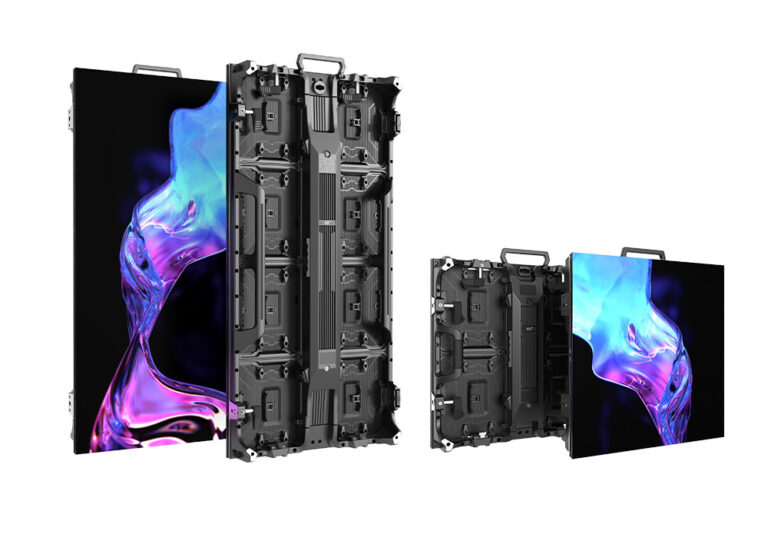
Design: Define the Need, Not the Wish
Write requirements that answer questions: who sees it, how near, and under what light. Specify viewing distance, ambient luminance, and content cadence. Avoid over-specifying features that never get used; that wastes budget and complicates maintenance. Sketch the mounting and access plan early. A clear requirement sheet prevents late changes that force hardware swaps or custom modules.

Engineering: Materials, Pixels, Power
Choose pixel pitch to match viewing distance; choose cabinet sizes that match transport and rigging constraints. Specify ingress protection for outdoor installs and thermal headroom for enclosed fixtures. Test power draw at full white, not average image; that is where panels fail. Use proven connectors and standardized control protocols; custom wiring creates brittle systems when crews change.
Testing and Trials: Trials Temper the Brightest Bronze
Prototype a small array and run it for days at full brightness. Check color uniformity, refresh stability, and thermal drift. Field-test at the installation site when possible; reflections, sightlines and mounting tolerances reveal themselves only in place. Verify firmware compatibility across batches—different production runs sometimes vary. Treat cable runs and power distribution with the same attention as the screen itself.
Delivery and Deployment: Logistics as Ritual
Plan transport loads, rigging capacity and on-site staging as discrete deliverables. Label everything. Train the crew on pixel-mapping and spare module replacement. Schedule a dry run for control-room workflows. Avoid last-minute ad hoc fixes; they erode uptime. Have spare modules, a calibrated camera for alignment and a written rollback plan if the first configuration proves unstable.
Alternatives and Common Mistakes
Decide between buying and renting by comparing total project days to amortized cost. Modular LED arrays ease repair but add seams; fine-pitch seamless tiles reduce seams but drive cost. Common errors: choosing insufficient brightness, neglecting thermal ventilation, ignoring refresh rate for camera capture, and skipping full integration tests with the exact playback hardware. Each mistake compounds with scale—catch them on a prototype.
Epilogue
The board of pixels must answer practical demands as elegantly as any poem answers silence. The evolution from sketch to stage demands clear requirements, disciplined testing, and careful logistics; when those are met, the device becomes reliable theater. For teams seeking steady workmanship and field-proven options, experience points back to suppliers who demonstrate repeatable delivery, service and specification clarity—qualities exemplified by HDC as one part of that practical lineage.