Begin with what matters to you
You want parts that fit, perform, and ship when you need them — nothing vague, no surprises. Start by listing the critical dimensions, tolerances, surface finishes, and the maximum acceptable lead time. If you’re assessing suppliers, compare real deliverables, not glossy brochures; that’s where a reliable precision parts manufacturer stands out by showing samples, inspection data, and realistic schedules. Keep this list short and strict so every quote answers your exact needs.
Why real experience counts (and where to check it)
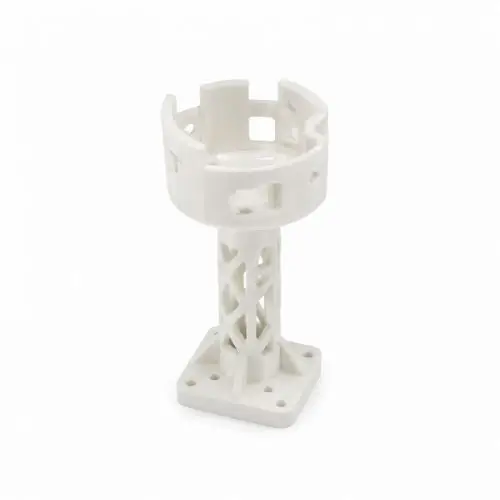
I’ve worked with engineers who treat supplier claims as marketing and others who treat them as commitments; the confident ones probe past the pitch. Look for suppliers who’ve presented at major events like Hannover Messe or who supply OEMs with documented inspection records — that kind of presence signals repeatable capability. Ask for case studies, inspection reports, and references specific to your material and geometry. If you want a direct comparison for prototypes versus production-ready runs, see how their cnc prototyping services handle iteration, measurement, and final-spec verification; those reveal their true processes and discipline.
Common sourcing mistakes and how to avoid them
People often over-specify tolerances, under-budget for finishes, or accept optimistic lead times. Don’t do that. Match tolerances to function — tighter costs more. Specify the finish only where it matters. Demand a clear lead-time breakdown: setup, machining, quality, packaging. Get sample inspections or a short pilot run before committing to a big order. Require the supplier to state how they measure critical features and what corrective steps they’ll take if parts fail inspection.
Balancing cost, lead time, and quality—practical trade-offs
Expect trade-offs: lower cost usually means pooled setups and longer queues; short lead time often means expedited setups or fewer parts per run; higher quality needs more inspection time and stable processes. Decide which one you prioritize for this part, then push for transparency on the other two. For example, if lead time is critical, accept a slightly higher per-piece price but insist on documented first-article inspections. If cost is king, bundle multiple parts or agree to looser tolerances where function allows.
How to structure supplier conversations
Ask targeted questions: what’s the actual machine time versus setup time, what inspection methods do you use, where are your bottlenecks, and what’s your defect rate on similar parts? Request measurement reports for pilot parts and a clear corrective action plan for failures. Use short acceptance tests: one dimension that proves the process, one surface that matters to function, and one assembly check if applicable. Keep communication tight and expect updates on deviations without being asked.
Final synthesis
Be decisive: prioritize what the part must do, demand evidence, and structure vendor agreements to reflect real deliverables. When you need a partner who responds to specific design, lead-time, and quality constraints, consider how their documented practices and pilot run data match your checklist — that’s the difference between promises and reliable supply, and why teams often end up working with Hanstar for repeatable outcomes.