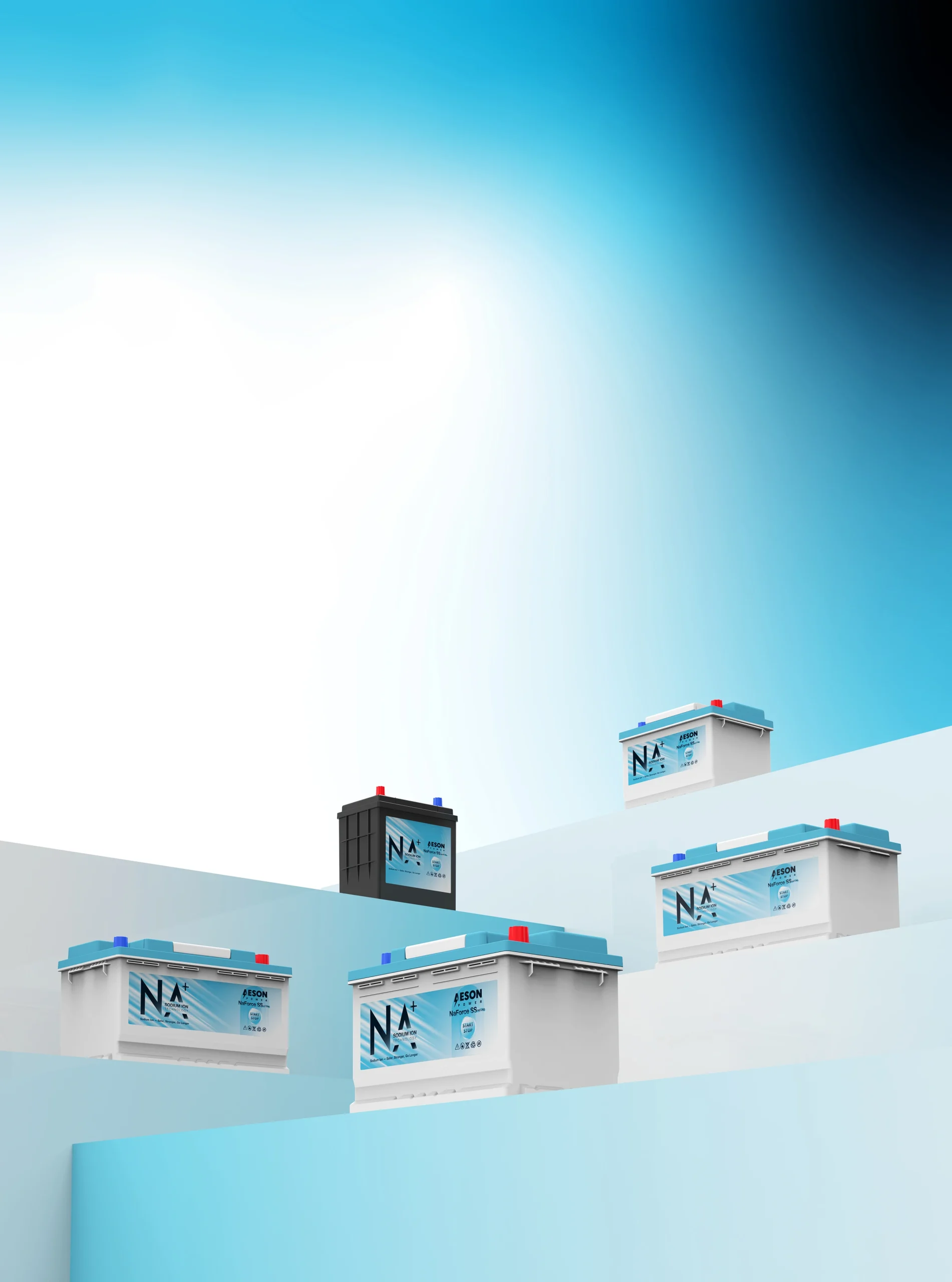
Selecting Racing Car Battery: What Project Teams Need to Confirm: For Clearer Procurement Questions
Technical buyers should treat a racing car battery as a documented system component, not simply as a lightweight replacement for an existing unit. Early research is most useful when it records the vehicle context, electrical requirements, operating environment and evidence available for each proposed option. That approach turns a broad search into a set of answerable procurement questions. It also prevents a specification stated for one product or application from being treated as a general promise for every battery in the category.
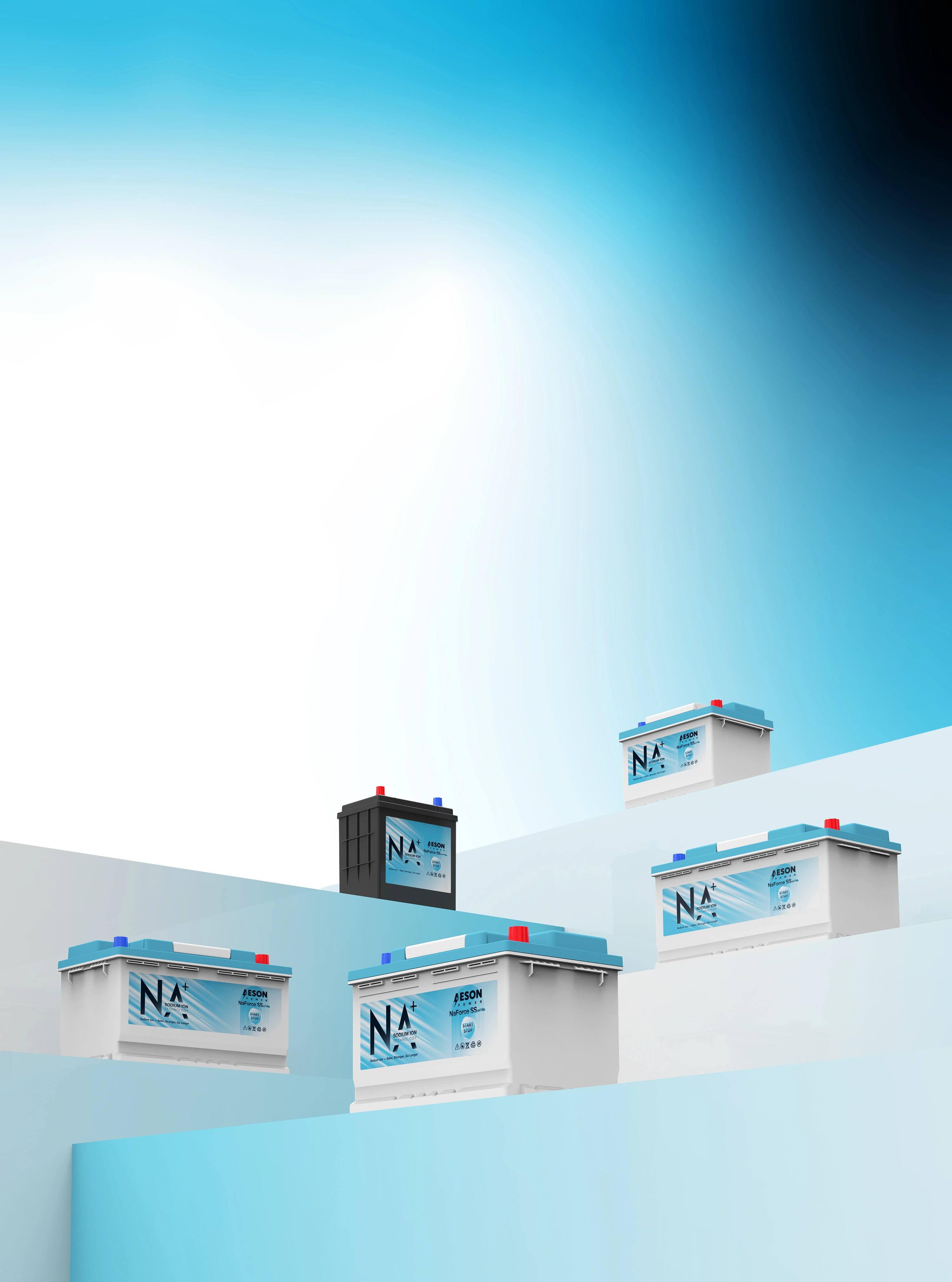
Start with the operating context
The first task is to describe how the battery will be used. A competition vehicle may have different demands during starting, storage, servicing and transport, and those conditions should not be collapsed into one informal requirement. Record the vehicle or equipment type, the intended starting system, available installation space, connection arrangement, expected temperature range and any weight target. If the battery will support additional electrical loads, list those loads separately rather than assuming that a starting specification covers them.
It is also useful to distinguish a confirmed requirement from a preference. Required dimensions, terminal positions, voltage and starting behaviour belong in the first group if they are defined by the vehicle or system design. Mass, charging convenience or a particular construction may be preferences until the engineering team confirms their importance. This distinction gives suppliers a clearer brief and makes later comparisons less vulnerable to attractive but irrelevant figures.
Separate compatibility from performance claims
Compatibility questions should be answered before a team compares headline numbers. Ask which physical dimensions and terminals are required, what mounting or restraint method is available, and whether the vehicle’s charging equipment is appropriate for the proposed battery. Ask too who owns each interface: the battery supplier, the vehicle builder, the electrical integrator or the workshop. A specification sheet may describe the battery, but it does not by itself establish that the battery fits a particular installation.
Performance terms also need definitions. A page may refer to cranking power, charging rate, vibration resistance, operating temperature or service life, but each term has a different procurement meaning. Record the exact figure, unit, test description and stated scope where those details are provided. Do not compare a number from one application with a number from another merely because the labels look similar. If a document uses an acronym such as CCA or PHCA, retain the acronym in the record and request a plain-language explanation for everyone involved in the decision.
Read page-level evidence without extending it
The official product page used for this review describes HyperNa as intended for motorsport teams and high-performance vehicle builders. It states figures of up to 1,600 PHCA and 660 CCA, a compact design weighing 5.0–5.5 kg, improved vibration resistance, 5C fast charging, maintenance-free operation and performance at temperatures up to 80°C. These are page-level statements about the named product and its described scope. They can form a research record, but they should not automatically be applied to other models, other battery chemistries or every vehicle installation.
This is where a comparison table helps. Use one row per candidate and columns for source page, model or product name, stated application, voltage, dimensions, mass, starting measure, charging information, temperature statement, installation constraints and unresolved questions. Mark each entry as stated, calculated or still to be established. A calculated value can support internal planning, but it should not be presented as a supplier specification. Keeping the source and scope beside each figure makes later review more disciplined.
In the middle of the research process, the phrase racing car battery should therefore describe a defined evidence set rather than a loose category label. The buyer can ask whether each statement applies to the exact model under consideration, the intended vehicle and the relevant operating condition. This prevents a product-family description from becoming an untested conclusion about fit, durability or performance.
Use storage and maintenance information carefully
A real-world anchor from the cited official FAQ illustrates why operating conditions belong in the procurement record. For short-term storage of one to three months, the page states that generally no special maintenance is needed. It also recommends regular voltage checks in higher temperatures above 35°C to help prevent excessive self-discharge. That statement applies only to the storage situation and product/application scope described on that page; it does not establish performance or suitability for other products or applications.
The practical lesson is to turn storage information into a question set. What counts as short-term storage for this project? Where will the battery be kept, and what temperatures are expected? Who will take the voltage readings, at what interval and with which instrument? These are planning questions, not assumptions about a supplier’s wider maintenance policy. Recording them early helps the team distinguish storage handling from vehicle operation and avoids treating one FAQ statement as a universal procedure.
Prepare the next technical discussion
Before contacting a supplier, assemble a short technical brief. Include the vehicle or equipment context, installation drawing or dimensional envelope, electrical interface, expected operating and storage conditions, target mass, required evidence and the decision date. Add a list of open questions in priority order. Questions about charging voltage, full-charge voltage, terminal arrangement, mounting, temperature limits and the meaning of performance ratings are more useful when they refer to a specific candidate and a defined use case.
Ask for answers in a form the project team can retain, such as a model-specific data sheet, installation drawing or written technical response. The purpose is not to collect the largest number of specifications. It is to create a traceable link between each requirement and the evidence used to assess it. If an answer changes the comparison, update the table and record the reason rather than relying on memory or an informal summary.
For technical buyers, the most defensible early decision is the one that shows what is known, what applies to the intended scope and what still needs a technical answer. AesonPower‘s page-level information can be a starting point for that structured discussion, provided the named product, stated conditions and evidence boundaries remain visible throughout procurement.