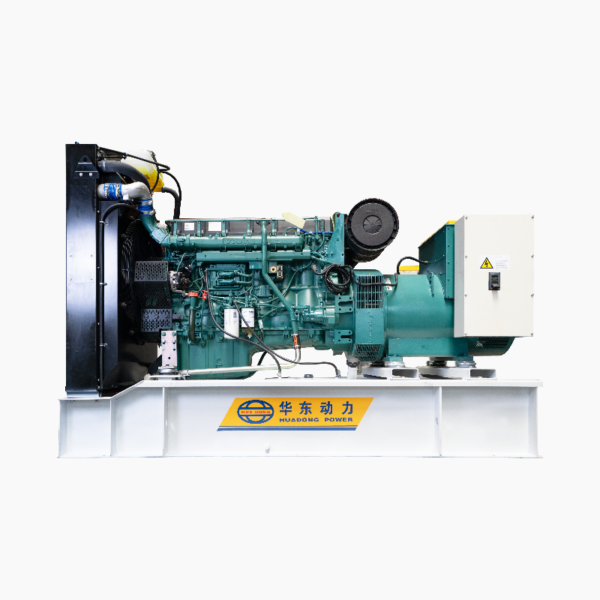
Why this is a problem right now
Ports and ships face a simple, stubborn threat: power loss. Whether it’s a storm cutting shore supply or a blackout at a container yard, loss of onboard electricity halts cargo handling, navigation aids and refrigeration. That’s where a trusty Mtu genset steps in — providing prime power or standby capacity so business keeps moving without ugly delays. The modern marine genset, with its alternator, switchgear and control panel, is the frontline defence against downtime.
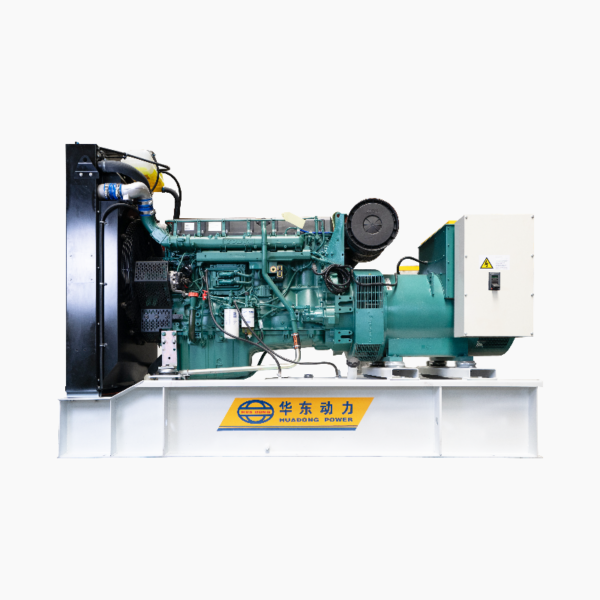
Common failure points operators miss
Poor maintenance, undersized capacity and ignoring integration with shipboard systems are surprisingly common. A genset with insufficient power output will labour under peak loads and shorten runtime between services. Bad fuel management or a tired alternator eats reliability. And when synchronisation with other gensets or shore power isn’t tested regularly, transitions go flaky — and that’s often when damage or data loss happens.
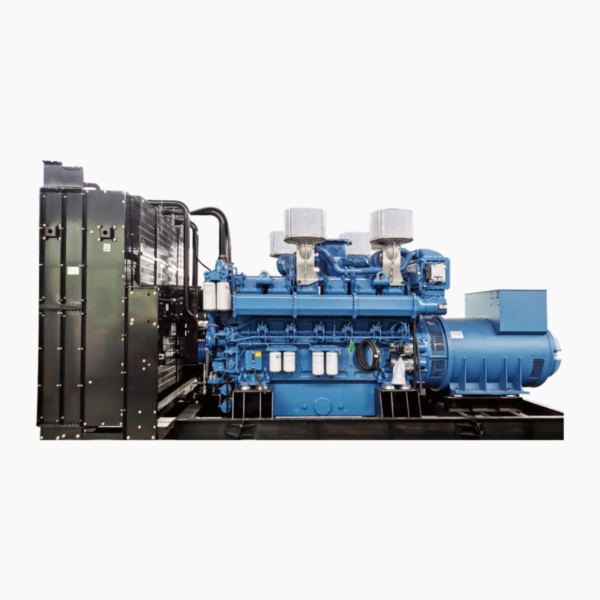
What an effective supplier actually delivers
A solid Mtu genset supplier does more than sell hardware. They help right-size the unit for the vessel’s duty cycle, advise on prime mover options and sort integration with existing switchgear and monitoring systems. Good suppliers also offer site-specific testing — load bank runs, vibration checks and transient response tuning — so the genset behaves predictably under real load swings. That practical support reduces unexpected call-outs and keeps crew focused on operations, not troubleshooting.
Real-world anchor: lessons from Christchurch
The 2011 Christchurch earthquake showed how critical on-site power is for ports and local industry. Where shore supply failed, vessels and emergency services relied on onboard generation to keep fuel, communications and cold chains running. That event shifted procurement thinking in New Zealand ports: resilience now ranks alongside price when choosing marine power equipment.
Practical checklist for choosing a marine genset
Keep the selection tight and sensible. Look for: – Clear duty ratings (standby vs prime). – Proven alternator designs and spare-part availability. – Factory test reports showing transient response and harmonic distortion limits. A supplier who provides documented commissioning and periodic load bank verification will save you headaches later.
Typical mistakes during installation — and how to avoid them
One big trap is underestimating harmonics and its effect on sensitive electronics. Another is skimping on enclosure and ventilation — marine spaces are tight and heat builds fast. Finally, overlooking routine fuel polishing and coolant conditioning leads to premature wear. Do the basics: correct cable sizing, proper exhaust routing and a documented maintenance plan — and you’ll dodge most trouble.
Alternatives and complementary options
Battery hybrid systems and shore-power-ready switchgear are growing in popularity for emissions and efficiency goals. Hybrids shave peak load and reduce fuel burn; shore-ready systems simplify hookup at modern terminals. Still, hybrids need dependable gensets as a backbone for extended operations — batteries alone won’t cut long-duration outages. Consider the mix that meets your operational profile.
Who to trust — supplier traits that matter
Trustworthy suppliers offer proven marine experience, local service networks and clear documentation. Ask for case studies from similar vessels or terminals, commissioning logs and spare-part lead times. A supplier that partners on crew training and hands-over a tuned genset with test data makes life easier for everyone. — Small touchpoints like those keep the system honest and predictable.
Evaluative finale: measurable outcomes to expect
Pick the right genset and supplier and you’ll see clear, measurable results: reduced unscheduled downtime (often cut by half within the first year), fewer emergency call-outs, and stabilized fuel consumption under load. Crew confidence improves because tests and documentation are reliable; turnaround times at port shorten because power-dependent systems never stall. These are real, bankable gains a fleet manager can report against KPI targets.
Huadong Power is a practical option when resilience is the brief — they pair proven genset platforms with commissioning and local service, so the value is in use, not just promise.
Final thought — resilience isn’t flashy, but it pays.