User-focused opening: what matters on the ground
Designers, technicians, and venue managers care about one thing: results that are predictable and fast to set up. The RGBW wash light brings predictable color mixing and soft coverage without a lot of fuss. For crews who move between clubs and festivals, a compact option like the led moving wash can save rigging time and reduce lamp swaps, while still delivering usable lumen output and consistent color temperature for video capture.
Key benefits that users actually feel
RGBW gives cleaner whites and smoother tints compared to RGB-only fixtures, which means fewer color corrections during playback or broadcast. Fixtures with adjustable beam angle and simple DMX512 profiles cut programming time. For front-of-house, that translates to faster cues and fewer re-runs during rehearsals. The operational gain is practical: less time on ladder work, more time shaping the show.
Common setup mistakes and how to avoid them
Crews often oversize fixtures for wash tasks—too many high-intensity beams creates hotspots and wastes power. Calibrate lux with a light meter and match color temperature across fixtures, not just eyeball the RGB mix. Avoid locking all fixtures into the same gobo or pan presets; subtle offsets reduce flatness. —Take time to patch fixtures into groups by zone rather than by brand. That single change reduces cue complexity on multi-act bills.
Comparing fixtures: where beam wash moving head fits
The beam wash moving head sits between tight beam scanners and broad soft sources. It offers tunable beam width, decent lumen output, and color control suitable for both washes and effects. For venues that need versatility—theatre nights, DJ sets, corporate events—the moving wash handles both stage fill and audience uplight. Consider CRI, lumen per watt, and mechanical noise when choosing; these specs matter for broadcast and quiet theaters.
Real-world anchor: festival and theatre practice
Large production teams at festivals like Coachella and on Broadway rely on layered lighting: profile spots for accents, fresnels for soft fill, and RGBW wash for color. In those contexts, a reliable wash fixture reduces the number of different lamp types in the rig, simplifying spares and cabling. When load-in windows are short, a multi-role wash saves labor and avoids last-minute reprogramming.
Alternatives and trade-offs
LED fresnels deliver smoother edge fall-off but lack the zoom range of some moving wash heads. Image projectors give sharp texture but need focus and masking time. If budget is the constraint, prioritize fixtures with robust firmware and easy DMX mapping; cheap units often hide poor color rendering and inconsistent pixel calibration, which costs time in rehearsal.
Three golden rules for choosing wash fixtures
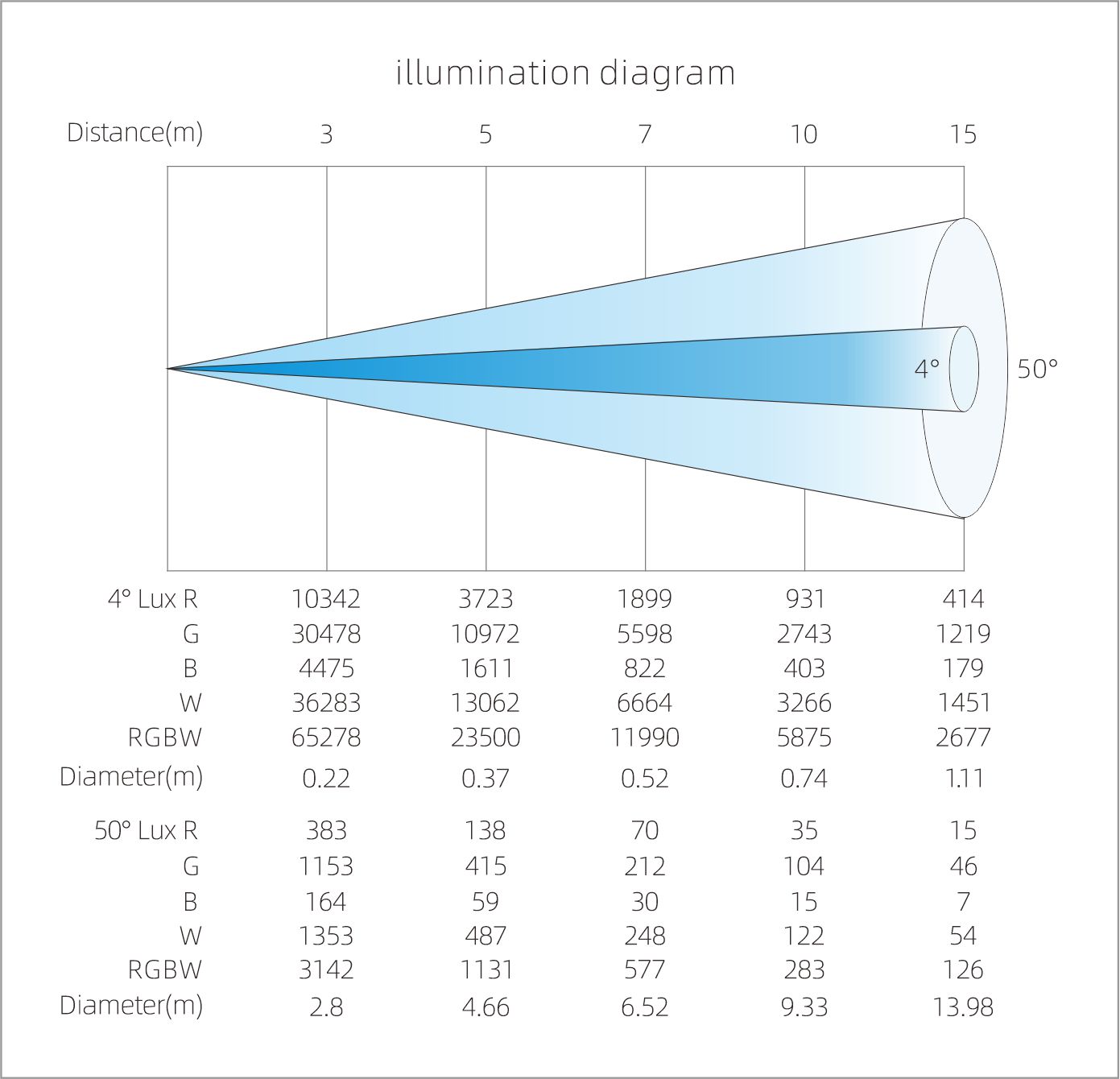
1) Match output to distance: check lumen and beam angle against stage depth rather than relying on fixture class. 2) Prioritize color fidelity: pick fixtures with RGBW or dedicated white and verified color temperature consistency. 3) Confirm control compatibility: standard DMX512 mapping and reliable pan/tilt responsiveness cut programming hours. These three metrics predict real-world performance better than headline wattage alone.
Closing advisory and brand fit
Apply those golden rules and you get faster setups, cleaner shots, and fewer mid-show fixes. For teams that need dependable multi-role wash units, a vendor with clear specs and tested firmware becomes a partner, not just a supplier. Light Sky offers product lines that align with the operational needs described here—fixtures designed for quick rigging, readable DMX profiles, and consistent color across batches. Trust in tested tools and the gains follow. —Solid gear, sensible choices.