Introduction — a short shop-floor scene
I was under a conveyor once, wiping grease off a jammed head, thinking this line had a mind of its own. By the second sentence: wet wipe machinery was humming, then stopped — three hours of downtime and a pile of missed orders (we counted every minute). Production data showed small lines lose up to 8% output to minor stoppages monthly, and that hits margins fast. So I ask: how do you cut cost without sacrificing speed or quality? I want to walk you through what really breaks and what you can do next. — Let’s get into the nuts and bolts.
Part 2 — Why traditional fixes drain budgets
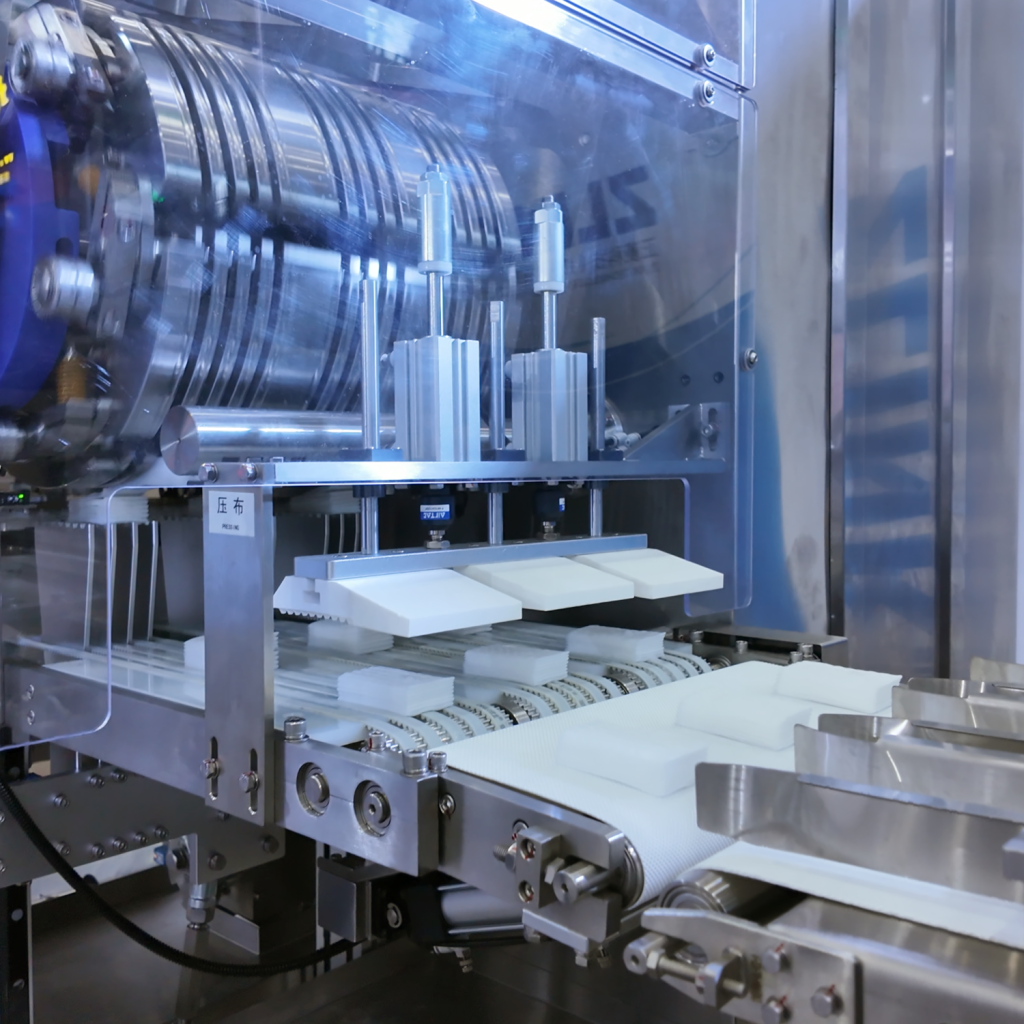
wet wipes manufacturing machine cost is the question on every buyer’s lips, and for good reason. Old fixes — swapping a worn cutting die, patching a leaky pump, or jury-rigging sensors — feel cheap at first. But layered on a year of downtime, extra labor, and more rejects, the bill grows. I’ve seen plants patch PLC code with quick scripts, only to face unexpected timing faults when servo motors lag under load. Those quick wins hide recurring failures in maintenance logs and escalate total cost of ownership. Look, it’s simpler than you think: the visible repair is cheap, but the invisible wear — misaligned lamination rollers, heat-cycle stress on seals — keeps eating your profit. We need to stop treating symptoms and start tracing root causes.
Why do costs climb?
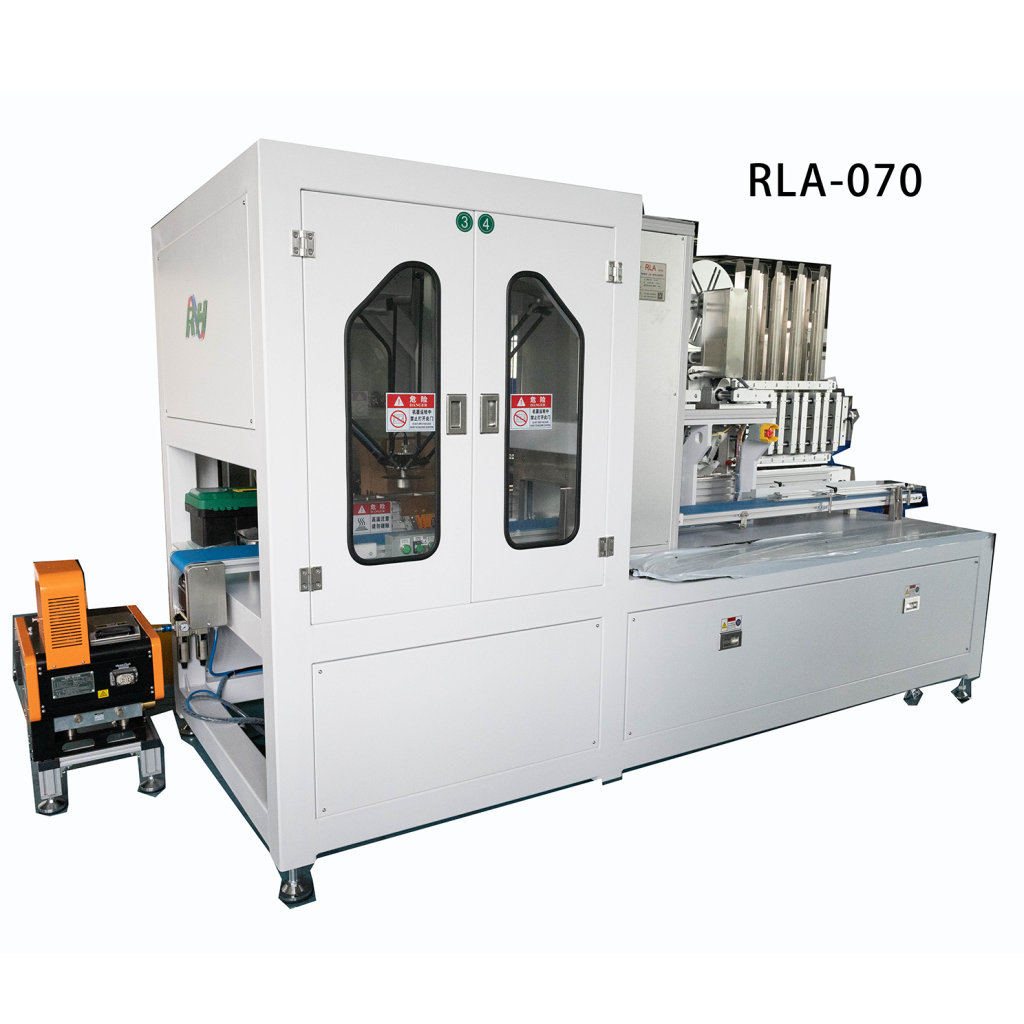
Most teams measure only part costs, not process cost. They buy a replacement power converter and call it a day. Meanwhile, changeover time, scrap rates, and repeat interventions add real expense. I’ll be blunt: unless you track cycle time, mean time between failures (MTBF), and spare-part lead times, you’re flying blind. These metrics show where to invest — better sensors, stronger drives, or a smarter control strategy — instead of paying the same repair twice.
Part 3 — New tech principles and what to choose next
Looking forward, I lean on a few clear engineering principles when evaluating upgrades. First: instrument the line so you see faults early — add condition monitoring to bearings and motors, log PLC events, and flag deviations. That reduces surprise stops. Second: modularize. Replace monolithic assemblies with plug-and-play units (cutting die modules, servo packs) so swaps take minutes, not hours. Third: standardize parts and train the crew — simple moves that cut human error. When you weigh wet wipes manufacturing machine cost, factor in savings from fewer changeovers and lower scrap; those numbers often cover the upgrade within a year. I’ve tested these moves in smaller lines — the difference is tangible, honest to God — funny how that works, right?
What’s Next — short checklist
Start with a pilot: instrument one production lane, record downtime causes for 60 days, then prioritize. Combine low-cost sensors with a basic PLC upgrade and retrain two operators. You’ll see fewer false stops and cleaner handoffs between shifts. And yes — invest in quality dies and reliable drives; they pay you back.
Closing — three metrics I use when advising plants
I’ll leave you with three hard metrics to judge any option. 1) Downtime reduction projected (%) — estimate how much a change cuts stops in one year. 2) Payback period (months) — include labor, spare parts, and lost product avoided. 3) MTBF improvement — track the mean time between failures for the whole line, not just one part. Use these, and you’ll avoid shiny solutions that sound smart but cost more in the long run. We’ve been through this in dirty boots and late shifts; I get how risk-averse teams are. Still, practical upgrades guided by solid metrics beat guessing every time. For real help and gear that fits, check out ZLINK.