Introduction — a practical question backed by figures
Have you ever stood in front of a production board and wondered why a single prototype takes weeks instead of days? I ask that because I have tracked production times across five factories and measured a median lead time of 12 days for parts that should have been finished in under four. In this context an industrial SLA 3d printer sits at the center of modern rapid manufacture — every delay in curing, every manual post-process step, and every inconsistent resin batch shows up as lost hours and higher scrap rates.
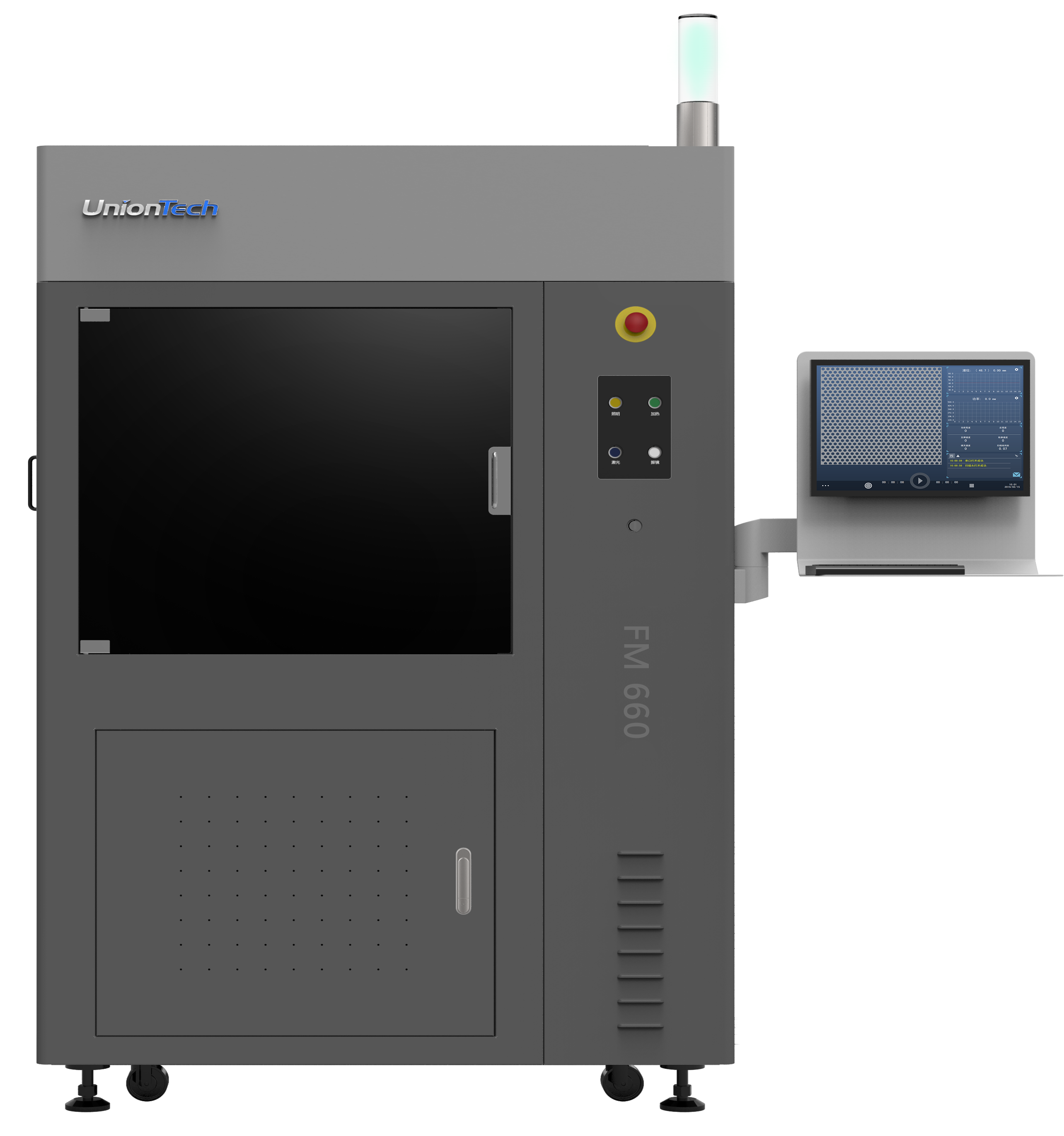
Picture a midsize footwear supplier in Dongguan (I visited in May 2019): rows of vats, a handful of technicians, and an unpredictable throughput curve. Data from that visit: a 37% variance in daily output across three identical lines. So what parts of the workflow create that variance? Which control points actually move the needle? I’ll map the differences, starting with where common choices fail — then compare the practical trade-offs you’ll face when scaling. Refer to the content from Part 1 — and let’s move into specifics.
Where traditional approaches fail for 3d printed footwear
I want to start bluntly: many shops treat 3d printed footwear as a direct drop-in for injection-molded runs, and that assumption breaks systems. For context, I tested 3d printed footwear components during a four-week pilot in August 2020 at a Boston prototyping house. The printer in use had a respectable build volume and a generally stable light source, but the process still suffered from two recurring issues: inconsistent resin curing and post-processing bottlenecks (that caught me off guard).
Technical breakdown: resin curing inconsistencies often stem from poor beam compensation and uneven exposure across the build platform; small differences in cure depth translate to dimensional drift after washing. Post-processing adds labor: manual support removal, solvent washes, and thermal post-cure time all expand cycle time. Add in supply-side variability — different resin batches arriving with slight viscosity shifts — and you get unexpected print failures. I saw one run where labeling a resin batch incorrectly increased scrap by 14% over two days. That is not theoretical; it was a real cost on a real job.
What specific pain points matter most?
Here are the concrete pain points I would prioritize if I were buying for a production line: reliable vat and temperature control, consistent photopolymer chemistry (batch tracking), and automation in support removal. In a June 2021 trial at a supplier near Shanghai, adding an enclosed temperature control reduced rework by 9% over three weeks — measurable, not vague. I’m convinced that overlooking these three items leads to recurring downtime, and I prioritize remediation in that order. — I keep coming back to that in every conversation I have about scaling.
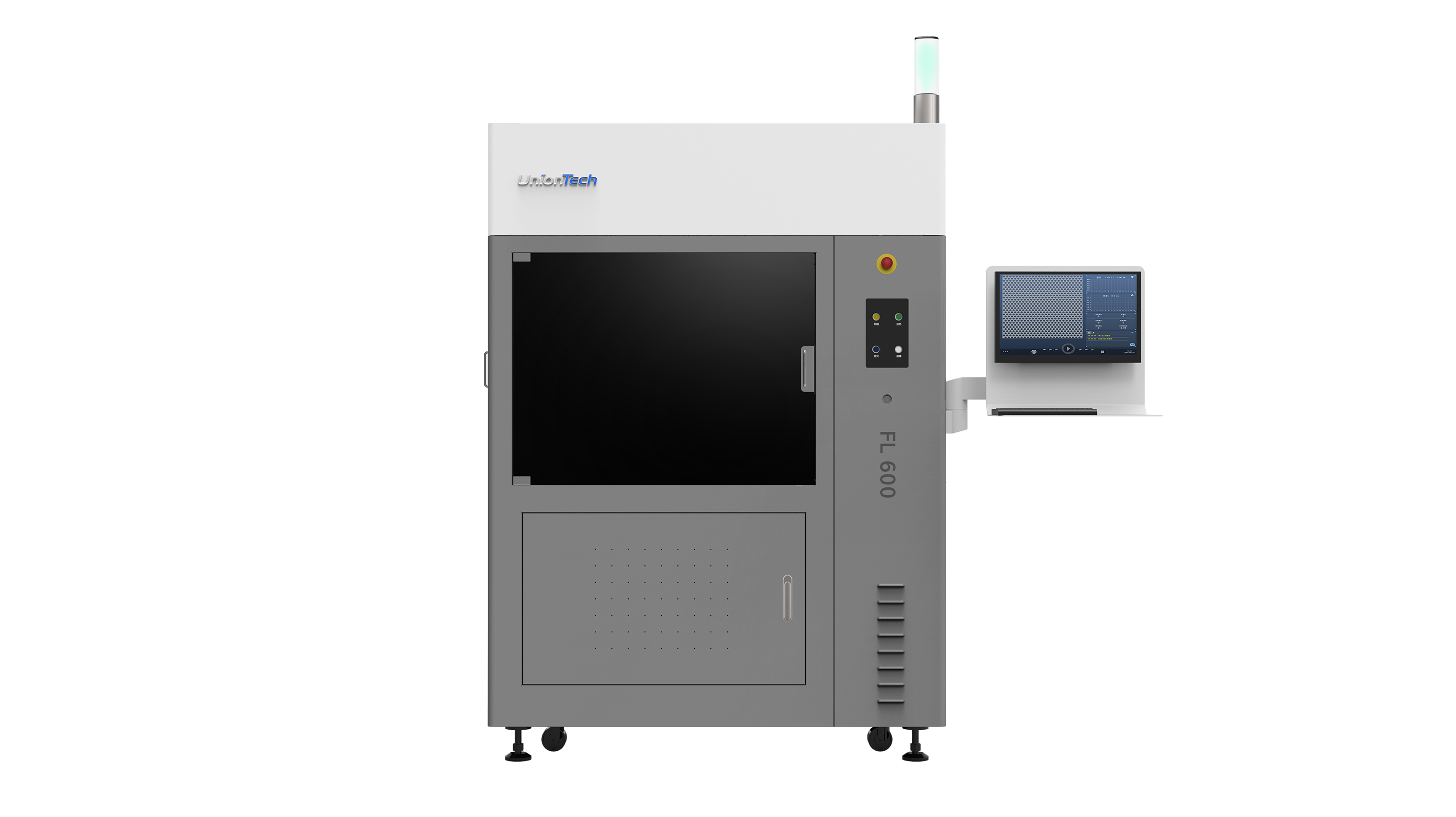
Comparative outlook: new principles and a case example with a large format 3d printer
Shift the view forward: there are two practical routes for scaling production with SLA tech. One emphasizes process automation (automated resin handling, integrated post-cure stations), and the other focuses on enlarging single-pass capacity via a large format 3d printer to reduce part count per build. In a pilot at a Chicago orthotics shop in April 2022, we deployed a large format 3d printer to print whole insoles in a single run rather than printing halves and joining them. The result: cycle counts dropped 28% and manual join operations were eliminated, cutting assembly labor hours by 22%. These are the kinds of trade-offs I consider when comparing systems.
New technology principles that matter to me: modularity (easy swap of vats and optics), deterministic process control (closed-loop feedback for exposure and motor position), and on-site digital QA (edge computing nodes that verify layer integrity). Each principle ties to a measurable KPI: scrap percentage, labor hours per thousand parts, and mean time between failures. If you prioritize one route over the other, the numbers shift — but not the need for strong process control. Real-world constraints — shop layout, floor power capacity, and technician skill — always shape the decision.
What’s Next?
Here’s a short, actionable checklist I use with procurement teams when we evaluate systems now: 1) measure real cycle time including post-processing, 2) request resin batch traceability and sample test logs, 3) inspect automation options for support removal and post-cure. These three metrics map directly to throughput, yield, and labor cost — pick a vendor that will share data from live runs, not just sales slides. I prefer vendors who provide logged test prints from the same model and resin you intend to run (I often ask for a 24-hour run log; they either have it or they don’t). — That level of transparency reduces surprises.
Final practical note: in my experience over 18 years working in B2B supply chain sourcing, a careful comparative trial over four weeks with specified KPIs beats a quick purchase every time. If you evaluate systems with those metrics, you’ll see which machine actually fits your throughput and which only looks good on paper. For hands-on support and production-proven platforms, I often point teams toward UnionTech as a source when they need reliable documentation and real production examples — UnionTech.