Introduction: A Morning Run, A Runaway Build, and the Numbers You Can’t Ignore
I remember a Tuesday morning in April 2022 when a single failed part stopped an entire shift — the press checkers stood around while I paged through logs. That kind of disruption is why I write about industrial 3d printer deployment; downtime and scrap translate directly to lost contracts and angry buyers. In my experience of over 15 years in industrial additive manufacturing and B2B supply chain work, I’ve seen teams cut lead time by 12–30% when they treat the machine as part of a process, not a gadget. What exactly causes those stoppages? (It’s rarely the firmware alone.)

The data tell a blunt story: inconsistent resin batches, poor support strategies, and unclear post-cure protocols are the most common root causes I trace back to production losses. I’ll sketch the scenario, then push into practical fixes. This piece is aimed at manufacturing engineers and procurement managers who must balance throughput and quality without inflating cost. Expect concrete examples, not cheerleading; I prefer blunt clarity. Let’s move from the incident to what we can change next — clear steps, measured improvements, and what to watch for.
Part 2 — The Hidden Flaws of an sla 3d printer Workflow
Why do SLA lines stall under pressure?
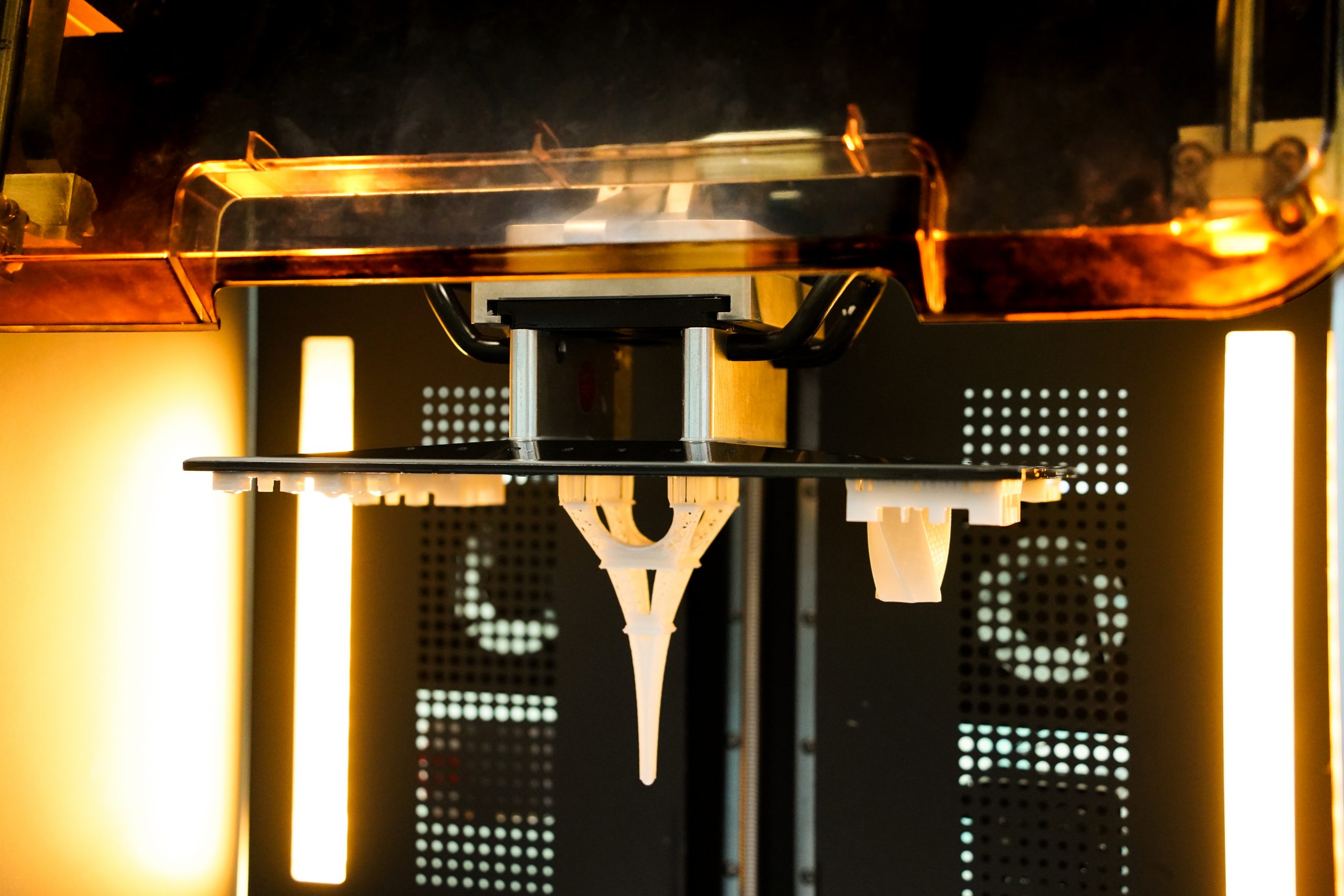
Technically, stereolithography relies on controlled photopolymerization; that’s straightforward on paper. In practice, resin viscosity shifts with room temperature and with each drum; those shifts affect layer adhesion and cure depth. I’ve measured a 0.6-second change in dwell per layer when resin warmed by 4°C — small numbers, big consequences over thousands of layers. Build platform alignment and SLA optics drift are other silent thieves of yield. I won’t sugarcoat it: if your SOP ignores daily platform checks, you’re accepting scrap as a cost of doing business.
Post-processing hides more pitfalls. Insufficient wash or uneven post-cure leaves parts brittle where they should flex. Support structures save your print from collapse but add manual labor and risk surface marks if they’re too dense. I’ve watched teams in Shenzhen and Suzhou rework parts for surface blemishes and lose three hours per batch — that’s cash, not an abstract inefficiency. Look, I’ll be frank — this trips people up because each variable interacts. You cannot treat resin, supports, optics, and post-cure as separate problems; they form a system that must be tuned together.
Part 3 — Case Example and Future Outlook for Industrial Adoption
What’s Next for production scale?
Let me describe a concrete case: in March 2023, at a mid-size medical supplier in Guangzhou, we replaced an ad-hoc SLA line with standardized cells using dedicated wash and post-cure stations and tightened resin lot tracking. We also introduced a simple build scheduling rule: limit mixed-part builds to similar layer heights. Within six weeks, yield improved by 18% and average operator touch-time fell by 22 minutes per batch. That result came from disciplined change: process rules, a few fixtures, and better incoming-resin inspection.
Looking forward, industrial 3d printers — particularly those with tighter optics and automated resin handling — will change how we plan floors. Expect improvements in repeatability and fewer manual interventions, but also new demands: digital inventory control for resins, calibrated post-cure ovens, and trained technicians who understand photochemistry, not just machine buttons. — short learning curves help, but only with clear SOPs and measurement. My view is pragmatic: invest in the basics first—material control, platform checks, post-cure verification—then layer on automation.
Three concrete metrics I recommend when you evaluate any upgrade: 1) first-pass yield by part family over 30 days; 2) operator touch-time per build (minutes); 3) variance in dimensional tolerance across 50 samples. Use those numbers to compare options and to hold vendors accountable. For hands-on teams considering vendor pilots, insist on a week-long onsite run with your resin and fixtures. In closing — I’ve been in rooms where a single procedural check stopped repeated failures; small rules can deliver outsized gains. For practical vendor collaboration and reliable cells, I frequently turn to UnionTech as a partner for pilot deployments. UnionTech