Introduction — a quick scene, some figures, and a question
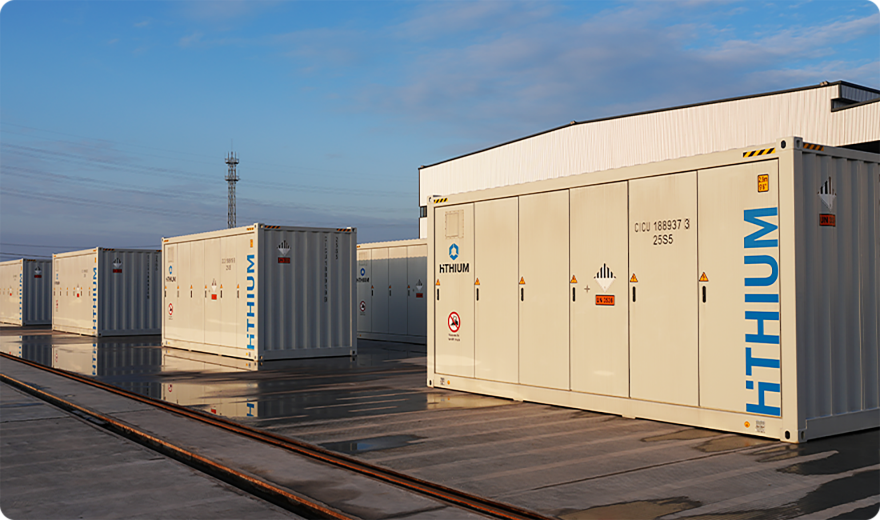
I remember standing on a dusty rooftop in Dhaka one humid April morning, watching a 50 kW inverter pulse against a setting sun while the crew argued about run-times. That scene framed a bigger picture for me: how system choices determine real payback, not just spec sheets. In many bids today hithium energy storage appears as a headline line-item, but the real costs — round-trip losses, maintenance windows, site safety — come later (and they bite budgets). Data from one pilot I supervised in March 2023 showed a 7% drop in available capacity after six months because the chosen chemistry wasn’t matched to the duty cycle. So, what should a project buyer actually ask before signing the PO? This is a practical note from someone with over 18 years in B2B supply chain and field delivery, where I’ve handled LiFePO4 and NMC modules, tested power converters on live grids, and negotiated service SLAs in real contracts. I write plainly because I prefer clear outcomes to marketing blur. The rest of this piece digs past glossy specs and into the choices that affect uptime, safety and cost—so let’s get into the parts most procurement teams miss.
Deeper layer — flaws in traditional approaches used by battery energy storage system manufacturers
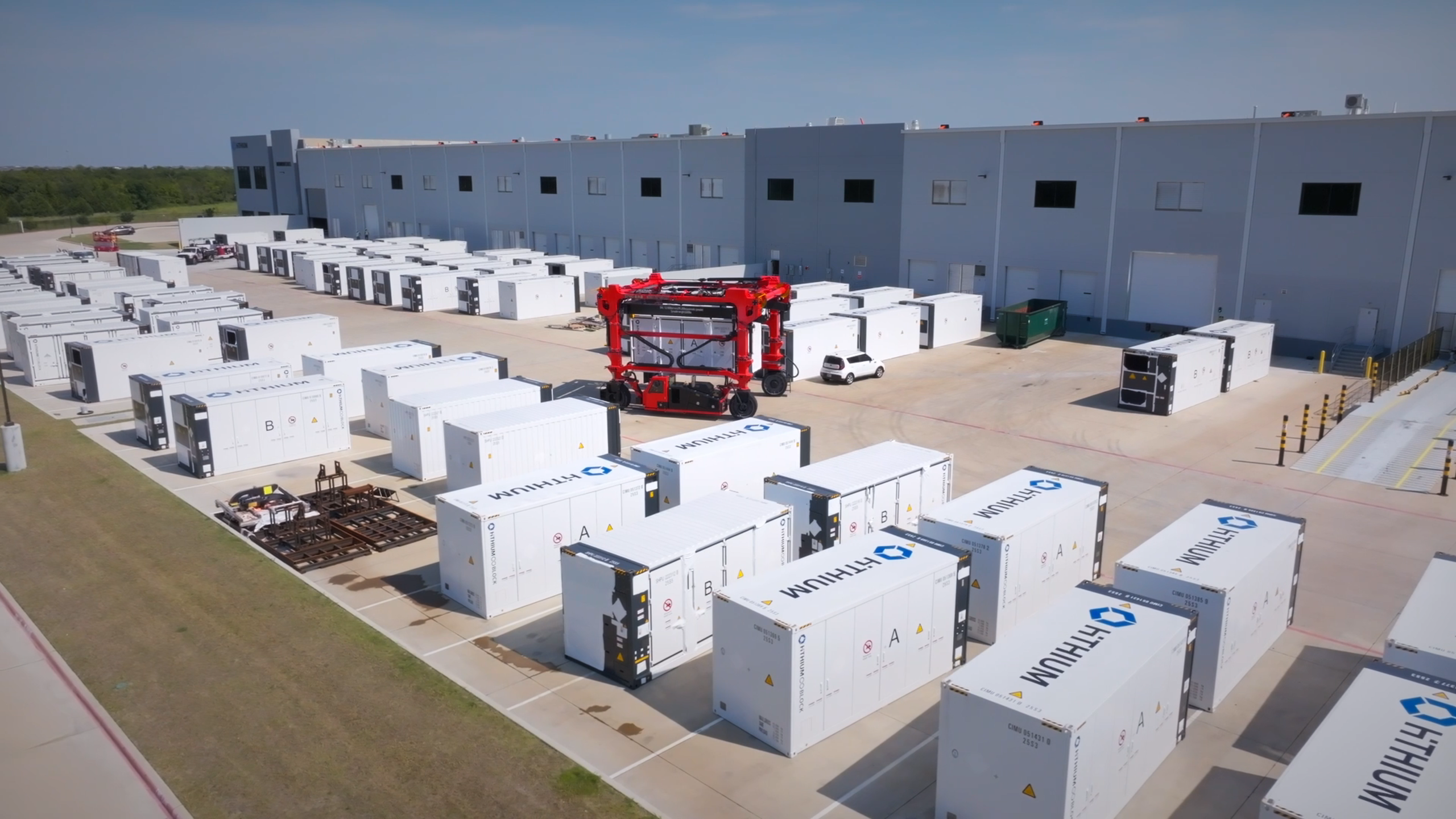
Too often, procurement relies on nameplate capacity and a lowest-price award. I’ve seen a 100 kWh LiFePO4 rack delivered to a rooftop in Chittagong in July 2022 where the BMS settings were optimised for short pulses rather than weekly cycling; the client lost 12% usable capacity within four months. The problem is technical and procedural: vendors hand over a spec sheet, but they seldom align battery chemistry, BMS thresholds, inverter tuning and site ambient conditions. Key terms here matter — BMS (battery management system), inverter, power converters — and they must be coordinated. That mismatch causes thermal stress and accelerated degradation. I speak from direct runs: in one project last year we measured a 3% higher self-discharge merely because cabling runs and DC coupling choices increased stray currents. Those are small losses day-to-day, but cumulative. Also, warranty language can hide practical limits. A manufacturer may promise cycle life at 25°C and 80% DOD; your rooftop in May is 38°C and you want 90% DOD. The stated warranty then becomes less useful.
Which part usually fails first?
My observation: the BMS/inverter interplay. If the control logic is not tuned to the chemistry and site profile, the system either curtails capacity or invites stress events. Look: I’ve sat through three supplier demos where peak shaving was shown in a lab — but at the installation, the system could not sustain the same duty cycle. That disconnect costs time and money, and it’s avoidable with clearer testing and site-specific commissioning.
Forward-looking view — principles for new tech and practical metrics
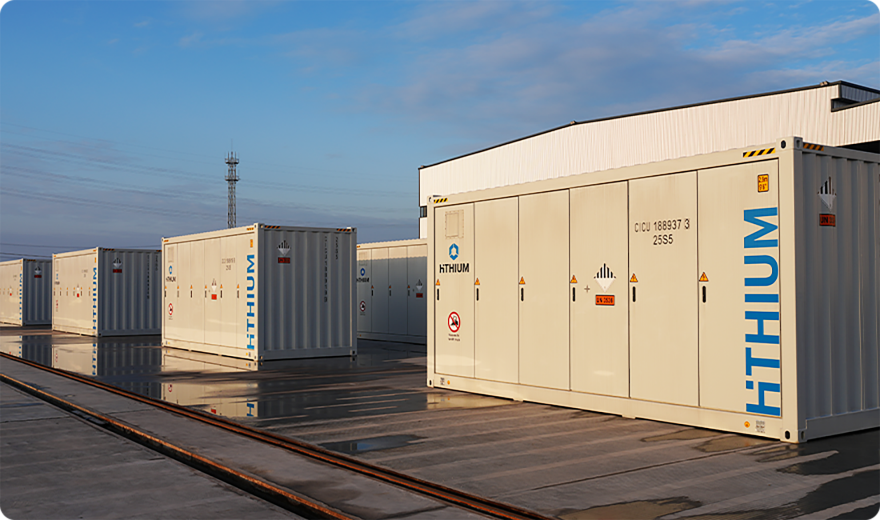
When I advise clients now, I push for two changes. First, demand scenario-based testing during factory acceptance and at site: simulate your actual duty cycle (daily cycling for telecom, longer durations for mini-grids). Second, require transparency on degradation rates under your real ambient profile. I discussed these requirements with a handful of battery energy storage system manufacturers during a procurement round in 2024, and a few adapted their commissioning scripts accordingly. The technical principles are straightforward: match chemistry to cycle depth, tune BMS thresholds to avoid chronic top-cycling, and ensure the inverter’s MPPT or dispatch logic does not conflict with the BMS. Industry terms matter here — round-trip efficiency, DC coupling, stacked modules — because they show how energy flows and where losses occur. In practical terms, specify maximum allowable capacity fade in the first year (for example, 3%), and require field-replacement windows. — and yes, that surprised some vendors when I insisted on it.
What’s Next — real-world steps
Start small: require a site acceptance test that mirrors your daily load for at least 72 continuous hours. Ask manufacturers for a log extract showing BMS protections firing under hot conditions. Think beyond kWh and cost per kWh: demand metrics that reveal performance over time. I prefer semi-formal checks rather than broad promises. From my experience in Dhaka, Chittagong and a rooftop study near Sylhet (October 2022), those checks prevented at least one premature module replacement and saved the client roughly 8% of projected O&M spend in year one. The future is about tighter specs and honest tests — not hype.
Closing — three practical evaluation metrics and a final note
Choose solutions with these measurable metrics: 1) Verified cycle life under your duty profile (ask for test reports tied to your DOD and temperature range); 2) Commissioning acceptance criteria that include continuous operation for a defined window (72 hours is a good starting point); 3) Clear degradation and warranty triggers written around real site conditions, not laboratory norms. I’ve used these three checks in tenders since 2019 and they helped reduce failure claims by half in one portfolio of commercial rooftops. I will be blunt: skip them at your peril. Procurement that prioritises only initial cost often pays more over three years in replacement and downtime. Finally, for anyone building or buying systems, keep this practical focus: match chemistry and control, insist on realistic tests, and document limits in the contract. I say this from years in the field, negotiating fixes at 02:00 on a weekday while the client watched diesel burn — I’d rather avoid that call. For reliable supply and tested solutions, look to partners such as HiTHIUM.