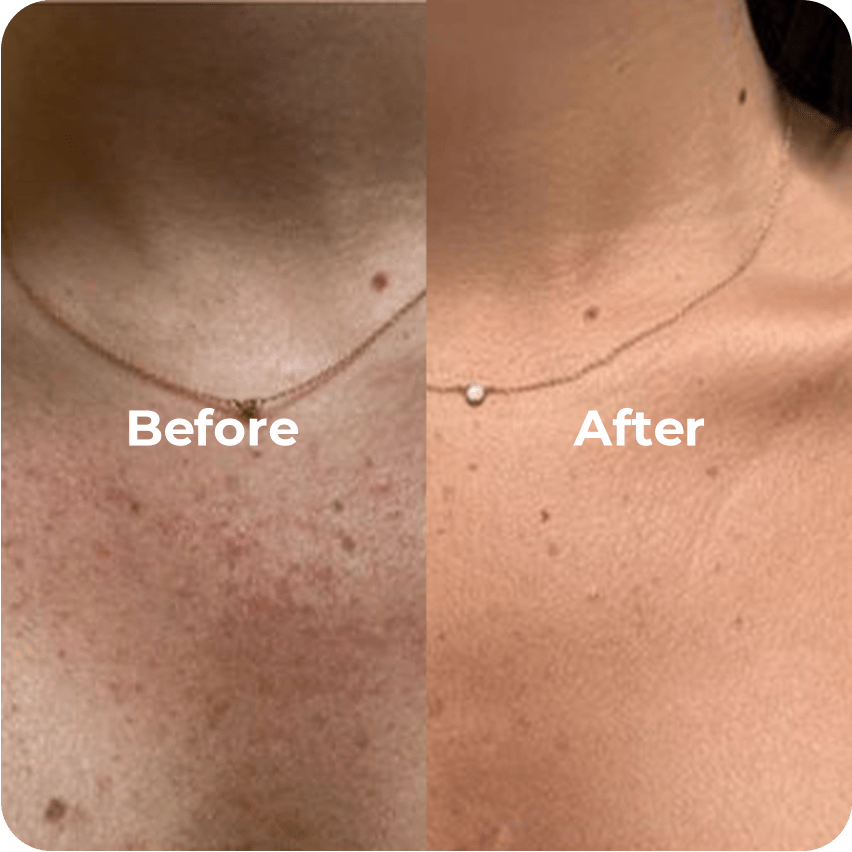
A calm opening to a practical choice
In gentle contrast to marketing lists, a comparative lens helps clinics match patient needs, staff skills, and long-term value when selecting an ipl skin rejuvenation machine. This piece gently examines the technical differences, workflow implications, and patient outcomes so you can weigh wavelength options, fluence ranges, and cooling strategies with clarity. Think of it as a quiet conversation between clinician and device — pragmatic, reflective, and rooted in real clinic rhythms in places from London to Seoul where IPL platforms have been refined since the 1990s.

What “comparative insight” means for aesthetic tech
Comparative insight looks beyond specs to ask: how does this device perform across common indications (photo-rejuvenation, vascular lesions, pigmentation) and how will it fit into your patient flow? Key technical variables to compare include wavelength selection, pulse duration, spot size, and whether the system uses contact cooling or air-based cooling. Those terms are shorthand for how gentle or aggressive a treatment can be — and how broadly you can treat skin types.
Core technology differences: IPL vs. alternatives
IPL (broadband intense pulsed light) is often contrasted with single-wavelength lasers like diode or Nd:YAG. IPL uses filtered pulses across a range of wavelengths, giving flexibility for multi-target treatments. Lasers deliver a focused wavelength for specific chromophores. In practice, IPL excels for mixed concerns (pigmentation plus redness) and larger treatment areas, while a long-pulse Nd:YAG can be better for deep vascular work. Consider spot size and pulse stacking capabilities too — they determine session time and cumulative thermal effect.
Clinical safety, efficacy, and patient comfort
Safety hinges on controlled fluence, appropriate pulse duration, and consistent skin contact cooling. Proper epidermal cooling reduces epidermal heating and post-inflammatory hyperpigmentation risk — that matters especially for darker phototypes. Device consistency in delivered energy (fluence stability) and reliable pulse timing help predictable results. Also look for integrated cooling or contact sapphire tips, which can shorten downtime and improve patient comfort.

Operational realities: what your team will notice
Beyond outcomes, evaluate treatment speed, consumable costs, maintenance cycles, and training needs. A machine with larger spot size and higher repetition rate will shorten session times for full-face rejuvenation — improving throughput. Maintenance accessibility (swappable flashlamps, intuitive software) reduces downtime. And don’t forget ergonomics; handpiece weight and cord freedom affect operator fatigue over a busy week.
Use cases, alternatives, and where each device shines
For mixed photoaging and superficial vessels, IPL systems give versatility. For targeted hair reduction, many clinics pair IPL with a dedicated diode platform — and here an ipl hair removal machine might be the efficient dual-purpose choice for practices wanting both hair and skin indications. If you prioritize deep vascular work or darker skin phototypes, consider long-pulse Nd:YAG or fractional lasers instead. Hybrid strategies often work best: combine an IPL for surface texture and pigment, then reserve a laser for stubborn lesions.
Common mistakes clinics make — and the quiet fixes
Clinics frequently under-quote the learning curve and over-rely on default settings. Calibration, test spots, and conservative initial fluence prevent complications. Don’t assume a machine’s presets suit every skin type — document response, adjust pulse duration, and keep clear patient consent notes. — A small habit like marking parameter changes in the patient record saves time and mitigates risk later.
Advisory: three golden rules for selecting an IPL device
1) Validate clinical fit: match device capabilities (wavelength filters, pulse settings, cooling system) to your most common indications rather than hypothetical ones. 2) Demand reproducibility: verify fluence consistency and service support history — ask for uptime metrics or local clinic references. 3) Assess total cost of ownership: include consumables, maintenance, training, and expected treatment throughput when calculating ROI.
These metrics keep choices grounded in predictable clinical value and patient safety. In deciding, look for partners who combine robust engineering with practical training and local support — that’s where long-term outcomes improve.
ENZOEYS sits at the intersection of reliable engineering and clinic-focused service — a quiet solution that helps bridge device capability with everyday practice needs. Trust experience; choose wisely. —