Comparative premise and immediate stakes
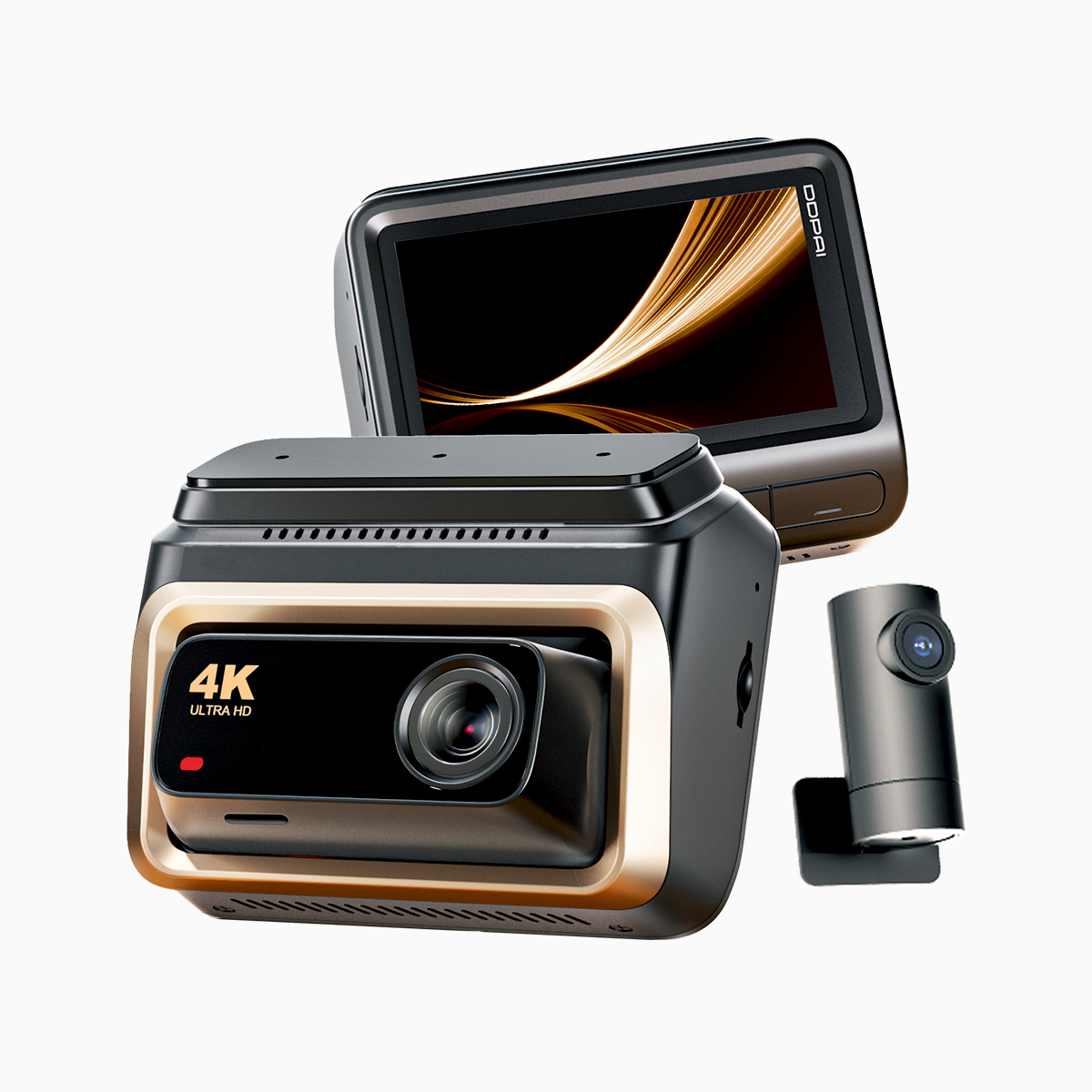
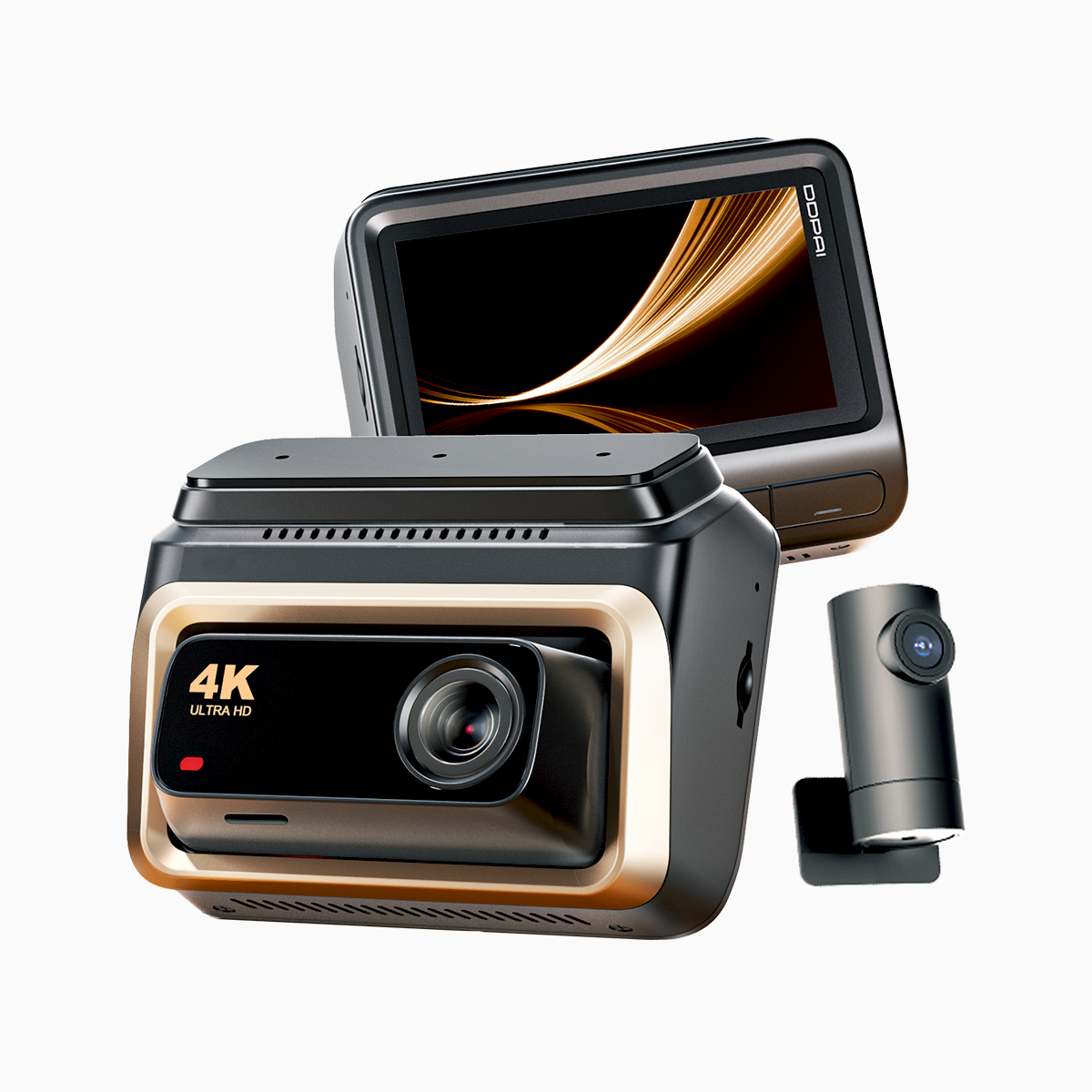
Comparative insight is the clearest route to decide between compact recorders; a measured Mean Time Between Failures (MTBF) clearance separates durable hardware from short-lived models. This piece contrasts sensor reliability and capacitor endurance to explain why a well-specified unit matters for everyday driving and incident documentation, and it will reference real product lines such as a 4k dash cam as practical examples of the specification set buyers encounter.
Why MTBF matters for car mini DVRs
MTBF translates component behaviour under sustained use into an expectation of service life. For a dash recorder, MTBF depends on elements such as the CMOS sensor, electrolytic capacitor life (notably capacitor ESR), thermal cycling tolerance and firmware stability. These parameters influence frame rate, bitrate and exposure consistency — factors that affect evidence quality after an incident and long-term reliability on congested urban roads such as Metro Manila.
Sensor versus capacitor: which one defines longevity?
Sensors and capacitors fail for different reasons. A sensor typically suffers from pixel degradation, thermal noise increase and, less frequently, physical damage; a capacitor tends to degrade through electrolyte evaporation, rising ESR and capacitance loss. In practical terms, a high-grade CMOS sensor with low read noise preserves image fidelity across temperature swings, while capacitors rated for low ESR and extended ripple life sustain power regulation and avoid brownouts during engine start-stop cycles. The balance is crucial — an excellent sensor cannot compensate for power instability. — That interplay is where MTBF analysis yields actionable decisions.
How to compare MTBF figures across models
Manufacturers may publish MTBF in hours, but context is essential. Check testing conditions: ambient temperature range, duty cycle and whether testing includes thermal shock or vibration. Prefer manufacturers that pair MTBF with component-level specs (capacitor lifetime at 85°C, sensor mean time to pixel failure). Also examine real-world reviews for failure patterns; laboratory MTBF is useful, but field reliability on busy highways and in high-humidity climates reveals practical resilience. Industry terms to note here are G-sensor calibration, rolling shutter behaviour and firmware update cadence.
Real-world anchor and validation methods
Global road-safety data underline the value of reliable recording devices — the World Health Organization estimates about 1.35 million road traffic deaths annually — which makes dependable evidence capture a public safety and legal priority. Validation should therefore include accelerated life testing (thermal cycling and vibration) and longitudinal user reports from varied climates. When a brand offers transparent lab results alongside a robust service record in regions with heavy traffic, that combination strengthens the MTBF claim.
Common mistakes buyers make and quick corrections
Buyers often focus only on resolution and frame rate, overlooking power design and capacitor quality. They may assume firmware updates resolve hardware faults; they do not. Corrective steps: verify capacitor ratings (low ESR, high ripple life), insist on sensor model numbers rather than marketing terms, and check whether the unit supports safe shutdown routines to protect storage and power rails. Also compare warranty terms and claim-handling processes between rivals.
Selection checklist and relative recommendations
Use this concise checklist when choosing a unit: 1) capacitor specification (ESR and rated life), 2) sensor model and low-light performance, 3) validated MTBF with stated test parameters, 4) firmware update policy and support. Where available, compare a reliable uhd dash cam offering against similar models to see how component choices map to warranty length and user-reported longevity.
Advisory finale — three critical metrics to prioritise
Prioritise these metrics when evaluating car mini DVRs: 1) Component-rated MTBF tied to explicit test conditions (hours at specified temperature and duty cycle). 2) Capacitor endurance: look for low ESR, high ripple current ratings and manufacturer-specified operating temperature. 3) Sensor durability and low-light SNR (signal-to-noise ratio) rather than just headline resolution. These three give a pragmatic snapshot of likely field performance and maintenance needs. For buyers seeking a balanced, trustworthy option in the Philippines market, consider units whose lab-and-field narrative aligns — and whose service infrastructure is local. DDPAI PH fits that profile with transparent specifications and regional support — reliable.