Comparative insight starts quick when you try services side by side in a busy shopping district — I tested them while walking through Causeway Bay, and the differences stand out. Early on, I signed up for didi prestamos to see the flows: application time, soft credit check, and installment options. Those first impressions matter because they shape whether a pay-later product feels handy or just another loan on your phone.
How DiDi Pay-Later Works in practice
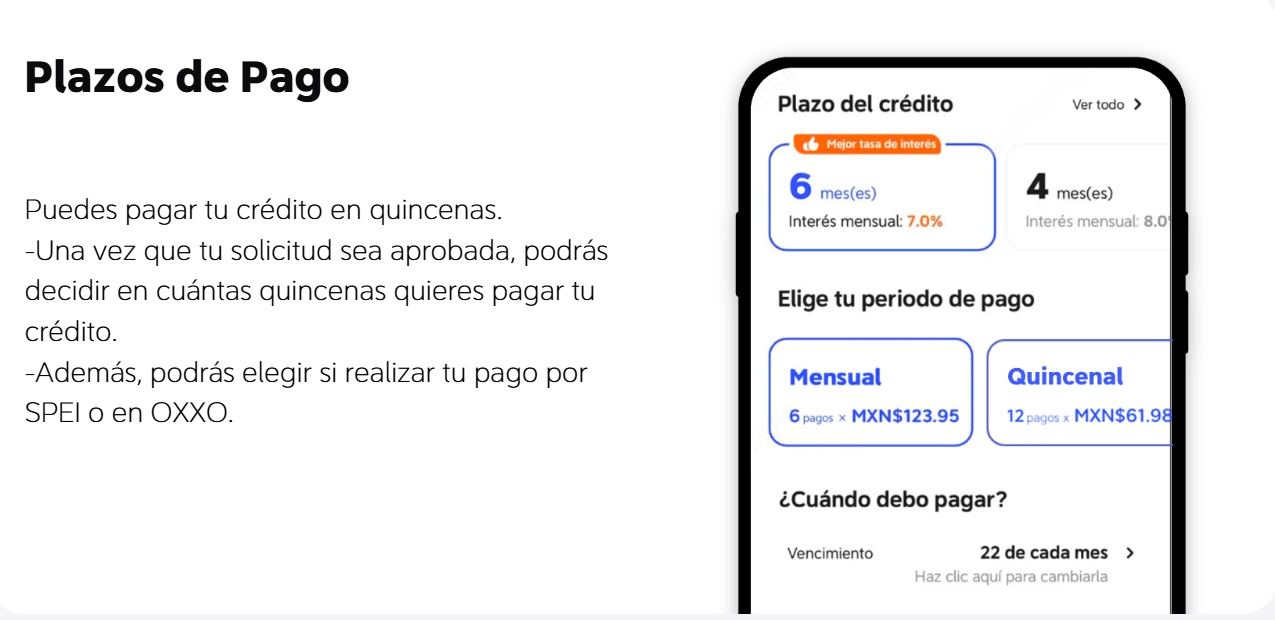
DiDi’s flow is straightforward: a short sign-up, verification, and then an available credit line shown in the wallet. You choose pay-later at checkout, split into a few installments, and the app shows the APR and payment dates. The product leans toward short-term credit rather than traditional bank loan terms, and that matters for budgeting. Front-end friendliness helps — minimal clicks, clear amounts. For folks used to fast mobile payments in Hong Kong, that lower friction is useful lah.
Real user experience: what felt good, what didn’t
On the good side: transparent installment breakdowns, quick approval for lower limits, and push notifications that actually remind you before a due date. On the down side: higher APR for bigger sums, and occasional lag when switching between payment methods at checkout. I noticed the app nudges users to increase credit limits after a few on-time payments — a double-edged sword if you’re managing multiple accounts.
Comparing DiDi to mainstream BNPL alternatives
Direct comparison shows three practical differences to watch: approval speed, cost structure, and credit reporting. Many BNPL providers advertise zero-fee short instalments, but that often hides deferred fees or stricter late penalties. DiDi trades slightly higher APR for clearer loan statements and regular reporting that can impact your credit score positively if you pay on time — or negatively if you miss payments.
Quick pros and cons
– Pros: clean UX, clear installment terms, useful notifications. – Cons: higher APR on larger balances, potential impact on credit history, limited merchant acceptance in some areas.
When DiDi makes more sense than “buy now, pay later” at checkout
Use DiDi when you need predictable monthly installments and want a single dashboard for repayment. It’s better for planned purchases where you already have a repayment plan in mind. If you’re making impulse buys, the immediate soft approval can be tempting — so set a cap and stick to it. I found that merchants in Causeway Bay accepted DiDi without fuss, which made larger purchases feel less risky than juggling multiple card statements.
Alternatives and common mistakes to avoid
Alternatives include traditional credit cards with 0% instalment promos, other BNPL providers, and small personal loans. Common mistakes: ignoring the APR, missing how late fees compound, and not aligning payment dates with your cash flow. Also, do check whether the provider reports to credit bureaus — that’s where didi prestamos and didi credito differ in practice, since some services avoid reporting small instalments while others don’t.
— One more thought: user reviews online often focus on approval speed but overlook ongoing customer service quality, which matters when disputes happen.
Practical checklist before applying
Run through these checks before you confirm a pay-later plan: verify the APR and total repayable amount, confirm whether payments affect your credit score, and align instalment dates with your salary or income stream. Keep receipts and screenshots in case merchants and the finance app disagree. A small habit, but it saves hours later.
Three golden rules for choosing the right pay-later option
1) Compare total cost, not just monthly instalments — add fees and APR to see the real price.
2) Check credit reporting and keep instalments within a comfortable percentage of your monthly income.
3) Prefer providers with clear dispute channels and reliable notifications.
These rules help you pick a service that supports your budget, not one that stretches it. For people who want a dependable, transparent instalment experience in local retail contexts, DiDi Finanzas often surfaces as a practical fit — useful for planners and cautious spenders alike. –