User-focused framing
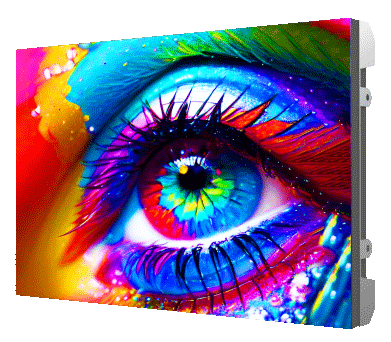
For event producers and venue managers, the balance between structural weight and quick assembly determines whether a show runs on time or runs into costly delays. This piece looks at modular design choices from the vantage point of people who install, transport, and operate LED walls every day. Practical considerations—like how a cabinet’s weight affects rigging or how pixel pitch ties into sightline planning—matter as much as aesthetic decisions. Case in point: Times Square New Year’s Eve installations rely on tightly coordinated modular panels and robust led display solutions to survive weather and crowds, so lessons from that scale translate directly to festival stages and corporate auditoriums. That same practical logic applies when choosing an LED screen for events.
Where weight and speed collide
Modular cabinet design offers two competing benefits: lighter cabinets cut down rigging needs and transport costs, while standardized fast-assembly frames reduce labor time. You can push both ends by using lighter materials and quick-lock hardware, but there’s a limit—too light and you lose rigidity; too many quick connectors and you add mechanical failure points. Aim for a cabinet that balances mass distribution and connection reliability; treat pixel pitch and module tolerances as part of that balance. A tighter pixel pitch demands closer seams and more precise calibration, which can slow field assembly if the hardware isn’t designed for repeatable alignment.
Design rules that matter to users
Think like the person who has to hang the wall at 3 a.m. The following practical rules shorten setup time and reduce surprises:
– Choose cabinets with consistent alignment pins and a single locking action; it saves minutes per cabinet and reduces rework.
– Match pixel pitch to viewing distance rather than ego—higher resolution is wasted if the audience is far back.
– Specify a refresh rate and calibration workflow that your playback system supports; mismatches create flicker or color drift under live conditions.
Common mistakes to avoid — learned on the ground
Teams often underestimate cable routing and speaker shadows. Overlooking daisy-chaining limits and power distribution quirks creates last-minute redesigns. Another frequent error: conflating low cabinet weight with structural soundness. You’ll get faster lifts but more sway if the frame isn’t braced—especially outdoors where wind loads matter. Also, neglecting IP rating and outdoor brightness needs leads to failures; outdoor LEDs typically require several thousand nits to remain visible in sunlight and an IP65 rating for weather resilience. Those are simple spec checks, yet they’re missed more than you’d expect—so add them to your checklist.
Installation and maintenance habits that save time
Good habits turn a rushed install into a predictable one. Pre-tag modules and test modules in a staging area with a known calibration profile. Label each cabinet’s position and harness the same cabling plan every time—consistent power sequencing prevents brownouts. Keep spare LED modules and a small toolkit for panel-level calibration; field troubleshooting often needs only a replacement module and a quick color check. Don’t skip firmware updates, and document serial numbers so warranty claims don’t stall a repair.
Advisory — three golden rules for procurement and on-site decisions
1) Structural compatibility: Verify cabinet deadweight and mounting interface against your truss or ground support; include a 20% safety margin for wind and dynamic loads.
2) Operational readiness: Require suppliers to demonstrate a full setup in a mock venue—confirm refresh rate, color calibration, and playback sync under show conditions.
3) Serviceability score: Insist on front-access maintenance, swappable LED modules, and clear cable paths; downtime on tour costs far more than incremental kit savings.
These three metrics guide a practical buying decision and keep your team focused on what matters on-site. The payoff is fewer surprises and a smoother run of show. MR LED. Practical.