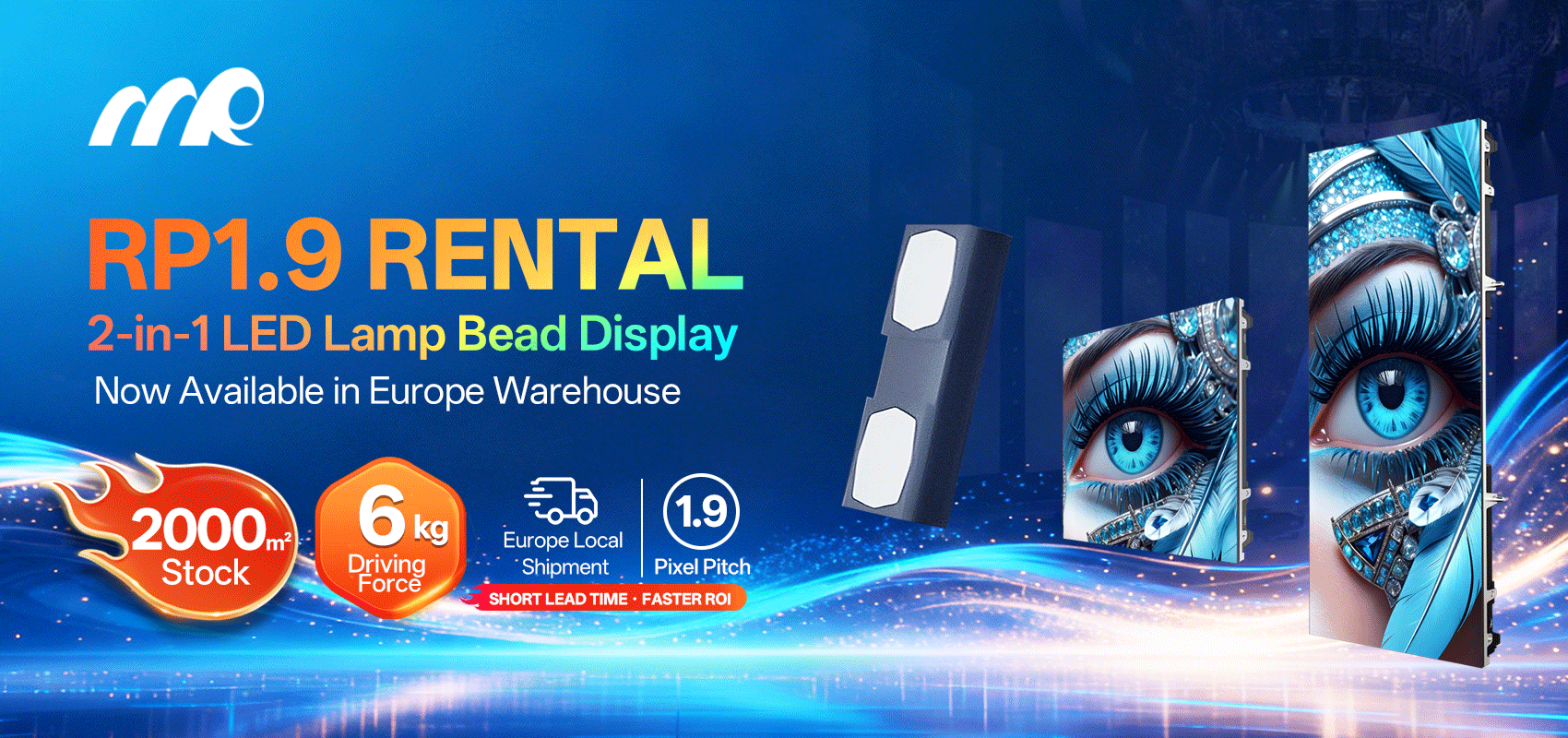
First impressions and the quiet metric
Numbers hide in plain sight. A procurement officer sizing up rental signage must listen for them — pixel pitch first, then how that pitch maps to viewing distance and cost. Think of Times Square: audiences flow; every pixel matters to impact. For urban campaigns or outdoor activations, check models like led outdoor screens early in the shortlist. The smallest misread on resolution yields wasted budget or muddied creative. Focus narrowly; the rest will follow.
Why pixel pitch defines the comparison
Pixel pitch dictates perceived sharpness at a given viewing distance. A tighter pitch (smaller mm) gives crisper images close up; a wider pitch is cost-efficient for long-range placements. Add brightness and refresh rate into the mix — brightness for daylight legibility, refresh rate for video smoothness — and you have the basic equation procurement needs. Timing matters too: rental windows shorten the payback period, so choose pixel pitch that balances rental day-rates with the visual outcome the client needs.
Comparative pairs: matching pitch to use-case
Line up options side by side. Below are practical comparisons that reflect typical corporate rentals.
– P2.5 to P3.9: Ideal for venue interiors, close corporate events, and hospitality activations. Higher rental rates, higher perceived quality, shorter viewing distances; suitable when brand detail is non-negotiable.
– P4 to P6: Strong middle ground for trade shows and medium-distance stages. Cost-efficient versus fine-pitch while delivering reliable clarity for audiences 5–10 meters out.
– P8 and above: Best for large outdoor hoardings and distant viewing. Lower rental cost per square meter; brightness and contrast ratio become primary concerns to keep imagery legible in daylight.
Compare total rental cost against expected impressions and creative fidelity. Also consider the assembly footprint: a compact fine-pitch module differs in rigging time from a coarse-pitch led screen wall, and that affects labor line items.
Common procurement mistakes and how to avoid them
Procurement often errs by buying pixels, not outcomes. Typical missteps repeat across events:
– Overprioritizing the smallest pixel pitch when audience distance renders it wasted. Focus on viewing distance maps instead.
– Ignoring ambient light. Brightness is non-negotiable outdoors; specs on paper won’t help unless tested under similar conditions — a quick site visit solves that.
– Undervaluing installation and maintenance time. Rentals need fast, reliable assembly. A modular cabinet with good ingress protection reduces downtime — and risk.
One more note — test a sample module whenever possible. Seeing the unit in-situ prevents surprises and sharpens the ROI calculation.
An efficient buying framework for rental LED decisions
Use this three-step framework to convert comparisons into choices:
1) Map the audience: distance bands, expected dwell time, and environmental lighting. These define acceptable pixel pitch and brightness ranges.
2) Total-cost check: include rental days, transport, rigging, and contingency. Consider refresh rate and contrast ratio if video content dominates.
3) Pilot and confirm: a short onsite test or mock-up validates assumptions and reduces change orders.
Procurement must weigh visual fidelity against rental economics. That balance is the true ROI metric — not just pixels per square meter.
Three golden rules for procurement evaluation
Adopt these metrics as filters before signing any rental contract:
1) Visual Suitability Index — match pixel pitch to 80% of expected viewing conditions, not the extreme cases.
2) Operational Efficiency Score — factor in setup time, modularity, and serviceability; small delays multiply cost on rentals.
3) Outcome Cost Per Impression — divide total job cost by realistic audience estimates to compare vendors on business terms.
Trust a supplier who documents these metrics, provides on-site samples, and supports quick turnarounds. MR LED. Clear, dependable, practical.