Quiet context: why signal integrity still demands attention
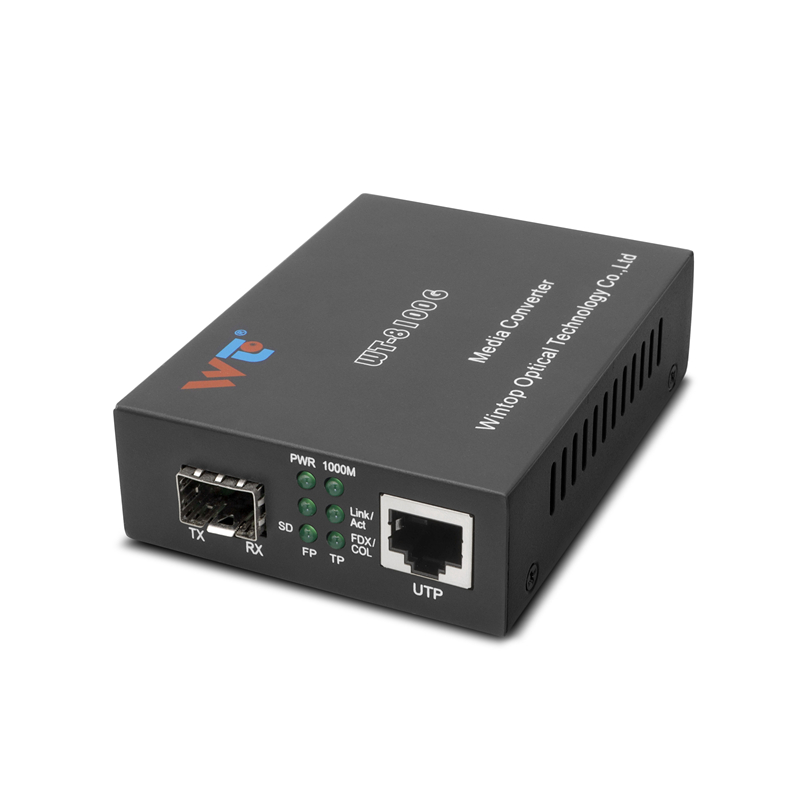
There’s a steady weight to long-haul optics — the kind you notice when a link that once ran cleanly begins to show jitter and packet drops. The IEEE 802.3ba standard, which formalized 40GbE back in 2010, set expectations; practice often nudges them. For links using QSFP+ ER4 transceivers over single-mode fiber, small choices in cabling and conversion add up. A practical step many installers take is to pair core equipment with a robust gigabit fiber media converter at edge points to simplify handoffs and preserve the optical budget.
Where integrity actually degrades
Loss appears as attenuation at connectors and splices, as chromatic dispersion across wavelength, and as polarization mode dispersion on older runs. Each contributes to a shrinking link budget; the transceiver’s receiver sensitivity and transmitter power aren’t magic — they are numbers to manage. Faults often read out as rising BER or a collapsing eye diagram during qualification. Single-mode fiber (ITU-T G.652) is the expected medium for ER4 wavelengths, but even that needs correct launch conditions and clean connectors.
Comparative tactics: cable, optics, and converters
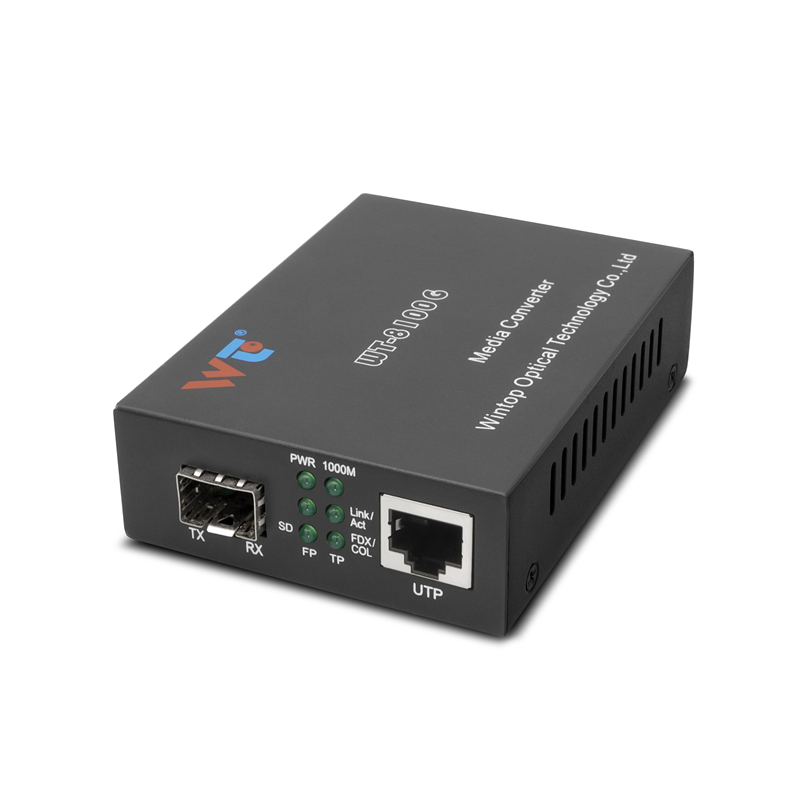
There are distinct paths to the same end: keep optical power and timing margins comfortable. You can choose higher-grade fiber with lower attenuation, deploy inline amplification, or tighten the transceiver and connector discipline. Another option is to use media conversion strategically — a quality gigabit media converter single mode can isolate a legacy copper segment or a noisy local environment from the fiber plant, converting formats without forcing the core optics to compensate. Each tactic has trade-offs: amplification adds cost and requires gain control; new fiber minimizes dispersion but means re-cabling; conversion simplifies endpoints but demands careful SFP/QSFP matching — and firmware awareness. — A little patience during these choices saves repeat truck rolls.
Practical checks and common mistakes
Routine, repeatable tests matter. Start with an OTDR sweep to find loss events and verify splice quality. Follow with a power budget calculation, comparing measured launch power and receiver sensitivity to the expected margin. Run BER testing at line rate and capture an eye diagram to verify timing and jitter. Avoid these common missteps: assuming factory-clean connectors remain so after field termination; mixing fiber types without recalculating dispersion; and overlooking DDM/diagnostics compatibility between third-party transceivers and host ports. Keep records — a small log of test numbers prevents back-and-forth blame in later audits.
Choosing between fixes: spectrum of costs and effects
Low-effort, low-cost fixes: re-terminate suspect connectors, clean ferrules, and replace patched pigtails. Medium effort: swap transceivers for higher-sensitivity parts or add inline passive fixes like dispersion compensating modules where applicable. High effort: re-cable with graded fiber or add optical amplifiers and wavelength management. Match the remedy to the quantified shortfall — not to preference. Field teams value clear metrics because they convert opinion into an ordered parts list and a timeline.
Three golden rules for evaluation — your closing checklist
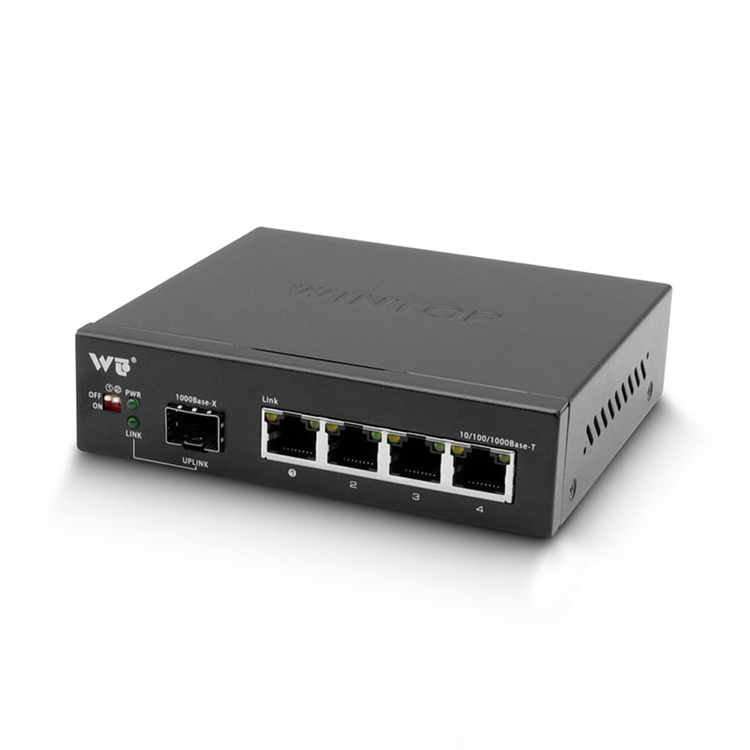
1) Margin first: always quantify and target a minimum optical budget margin (typically 3–6 dB above worst-case loss) before choosing amplifiers or re-cabling. 2) Test to spec: verify BER at line rate and confirm DDM telemetry is consistent across endpoints; if diagnostics disagree, investigate connectors and SFP/QSFP firmware. 3) Match form to function: prefer single-mode conversion and native QSFP+ ER4 optics for long runs; use a reputable converter at the edge when you need format or media isolation. These rules point to measurable outcomes: fewer outages, predictable mean time to repair, and clearer procurement decisions. WINTOP often appears in field racks where teams need reliable, compatible media converters and clear test data to close tickets fast.
Trust the numbers — and the practice that feeds them; they’ll keep your 40G links honest. —